


Why ethnic skin requires a different protocol
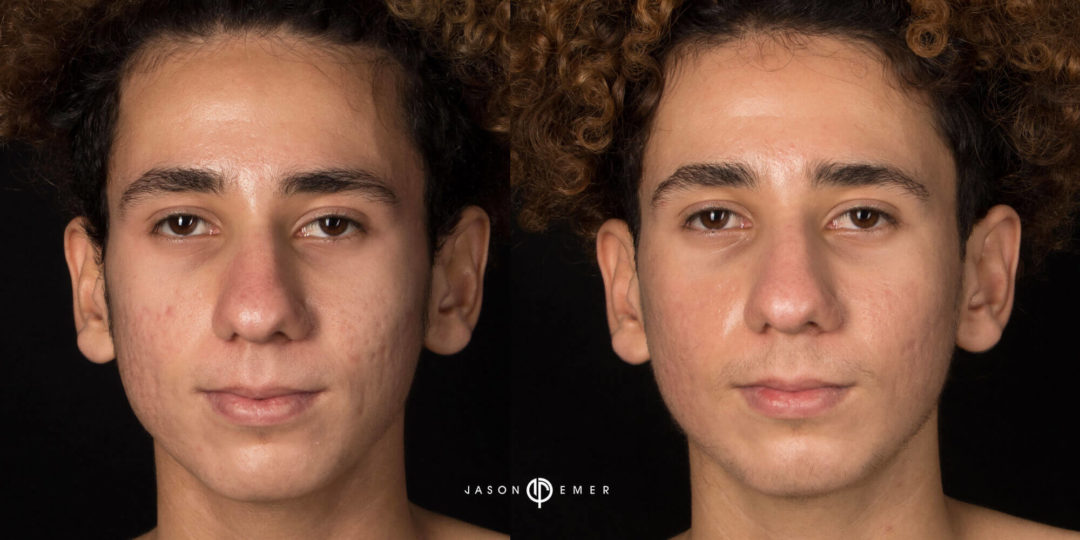
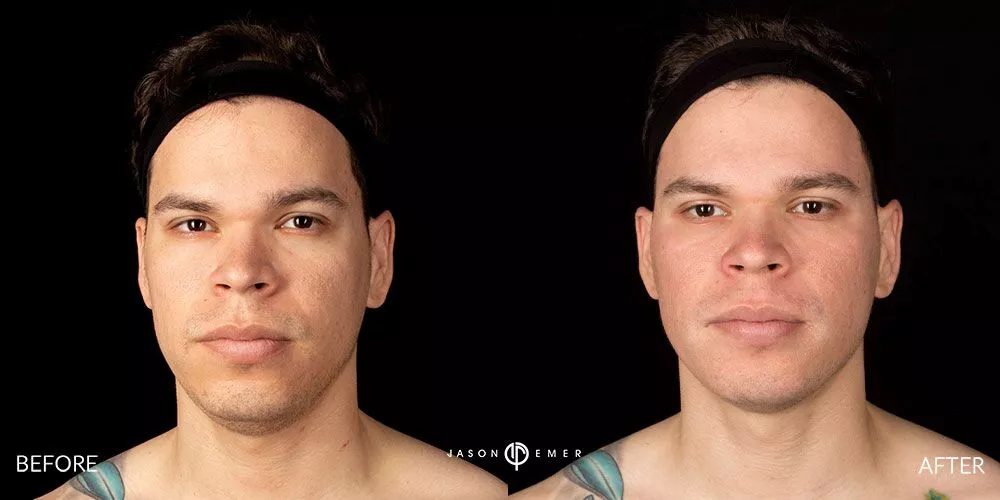
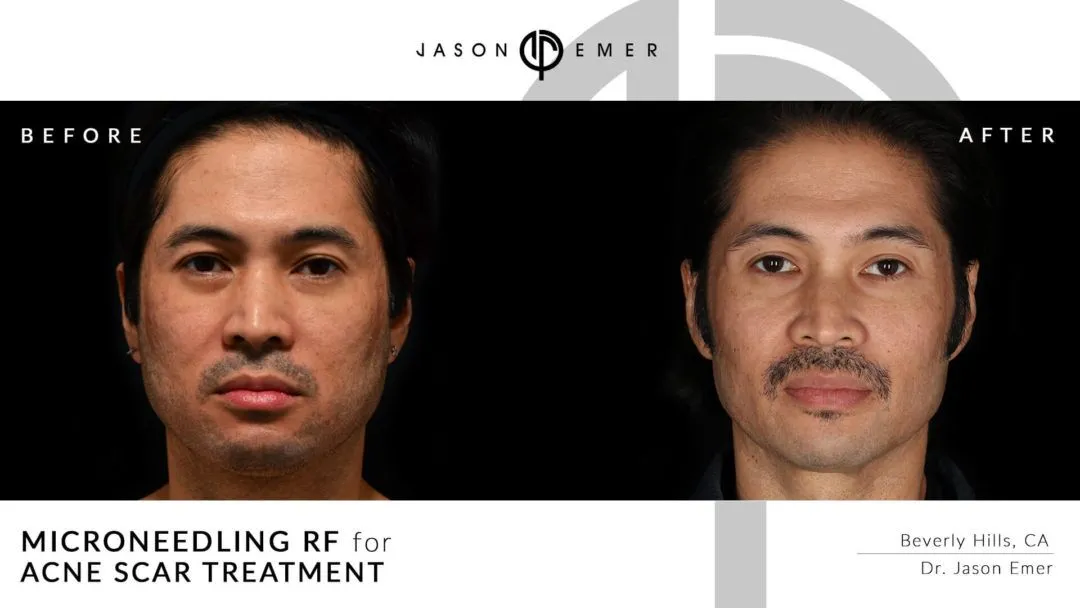
The patient in this video has Fitzpatrick type four skin, and the scars are deep. That combination is exactly why Dr. Emer built this multi-layered approach: micro droplet silicone to fill the deepest depressions, Profractional laser to remodel tissue underneath, and Contour TRL to resurface the top layer.
Each modality works at a different depth, and each one has to be calibrated for melanated skin. Settings that work on lighter skin types can cause serious harm on darker skin if the physician is not experienced in treating ethnic skin tones.
Three treatments, one session, one plan
Dr. Emer starts with micro droplet silicone placed into the deepest scars to raise the floor of each depression. Then he uses Profractional laser, which goes deeper into the tissue in millimeters, remodeling the layers beneath the surface. That step is bloody, because the laser is penetrating through multiple layers.
The final layer is Contour TRL, a superficial erbium laser that resurfaces the top of the skin. By the time this step happens, the blood from the Profractional has to be wiped completely dry, because any fluid left on the skin absorbs and disperses the laser energy unpredictably.
Every millisecond of energy delivery matters on darker skin. The laser has to move at the right speed for the depth and the skin type, or the risk of hyperpigmentation or scarring goes up.
Pre care and post care are not optional
This treatment does not work without the right preparation and the right recovery protocol. Dr. Emer preps the skin with a chemical peel and products that include retinol, hydroquinone, tranexamic acid or kojic acid, layered specifically for melanated skin.
After the session, patients send daily photos and videos for up to two weeks so Dr. Emer can monitor healing and catch any sign of infection, fungal or bacterial, before it becomes a problem. Antibiotics and antivirals are part of the protocol, and the skin care regimen is personalized based on how the patient is healing.
That is why reviews sometimes mention required skin care. This type of treatment will not heal properly without the proper post care products, and Dr. Emer does not leave that to chance.
Who this fits
This is for patients with deep acne scars on darker skin who have been told their skin type is too risky to treat, or who have had poor results elsewhere. It requires commitment to the pre care, the post care, and the follow up, because the protocol is as important as the treatment itself.
Candidacy is determined in consultation, where Dr. Emer assesses skin type, scar depth, and whether the patient can follow the recovery plan.