
The problem with treating acne scars on darker skin
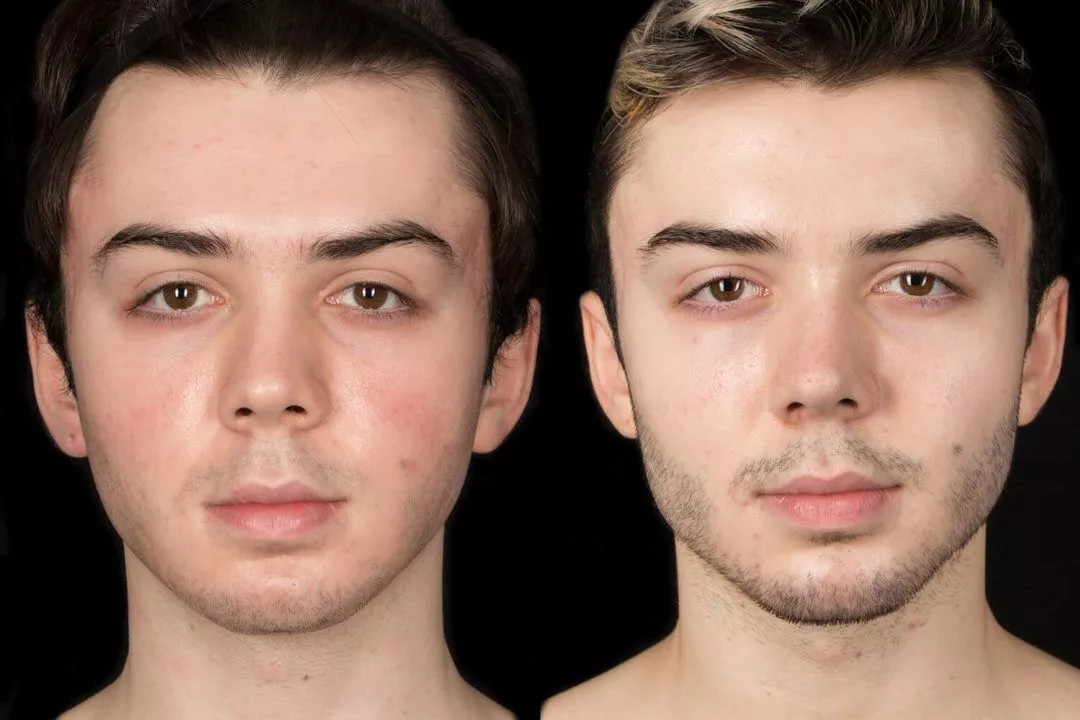
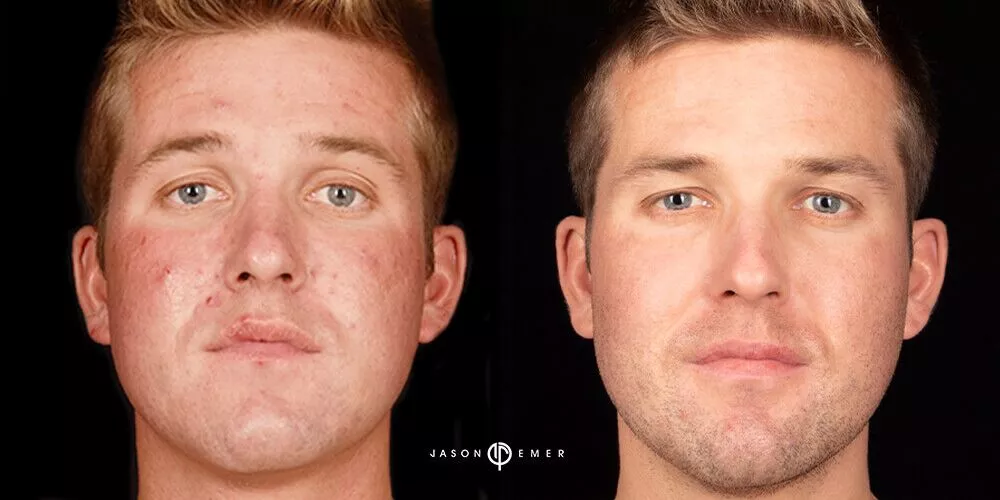
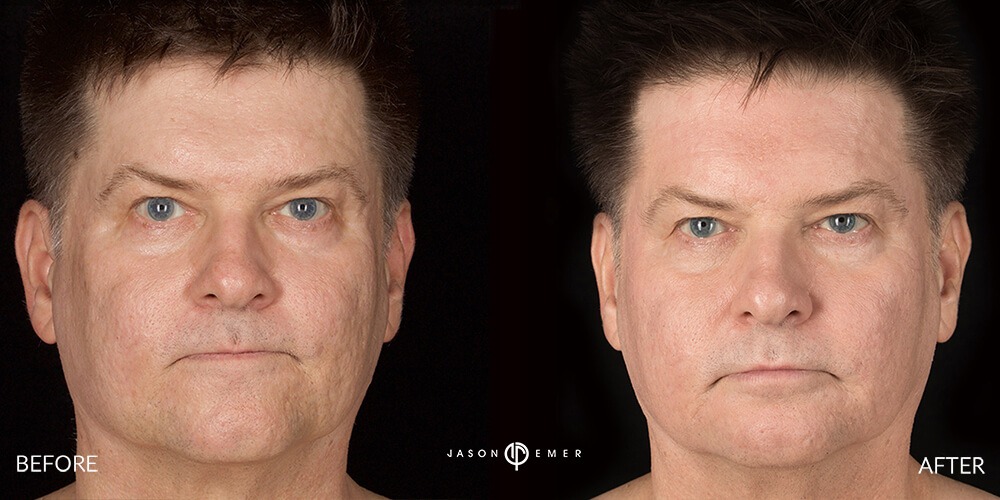
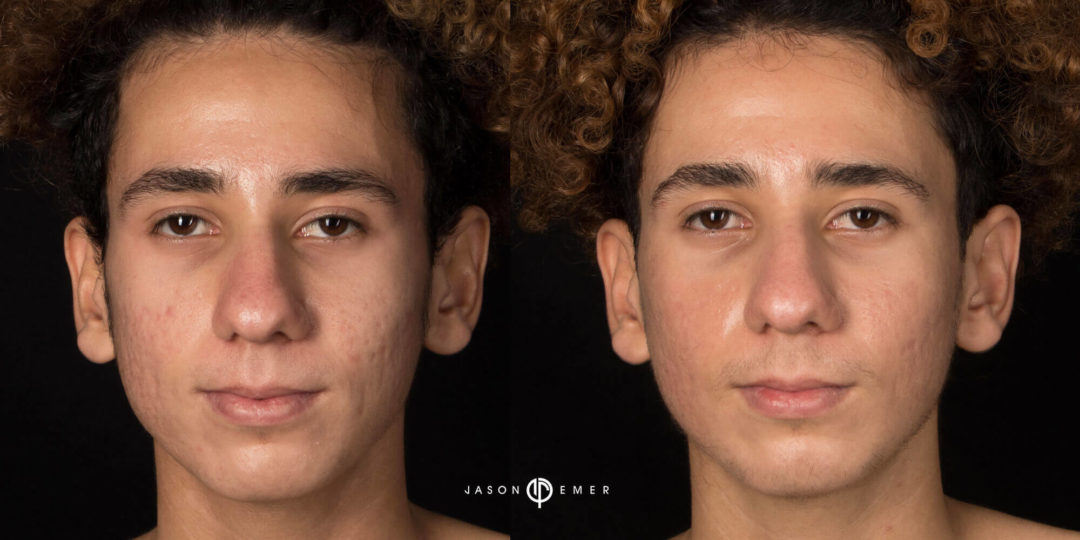
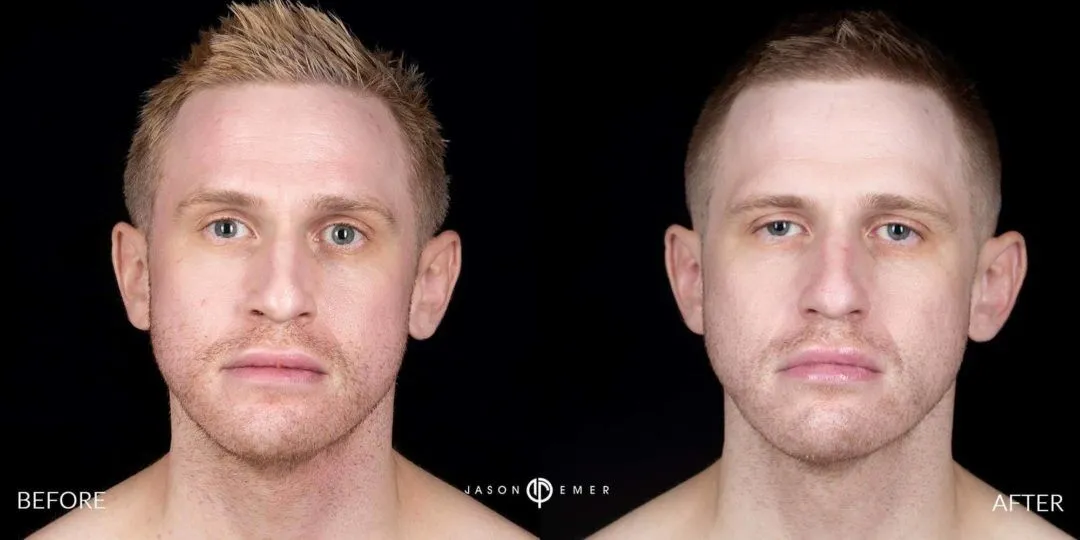
Hyperpigmentation is the barrier. Many physicians will not perform aggressive laser resurfacing on ethnic skin because the risk of darkening is high, and the protocols to prevent it are strict. This patient has very severe scarring, and the goal is scars first, texture second, with residual hyperpigmentation addressed later through peels and skin care.
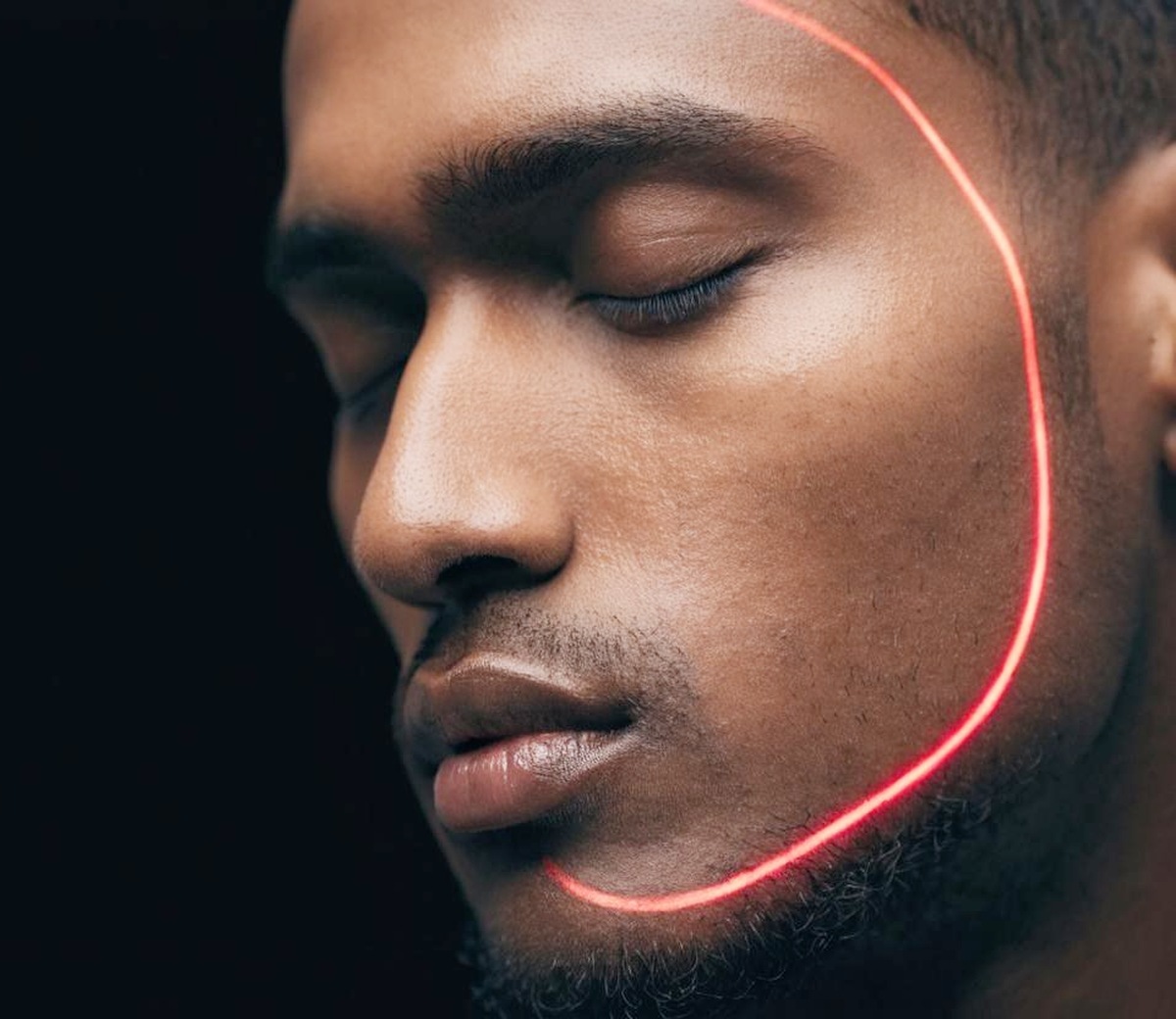
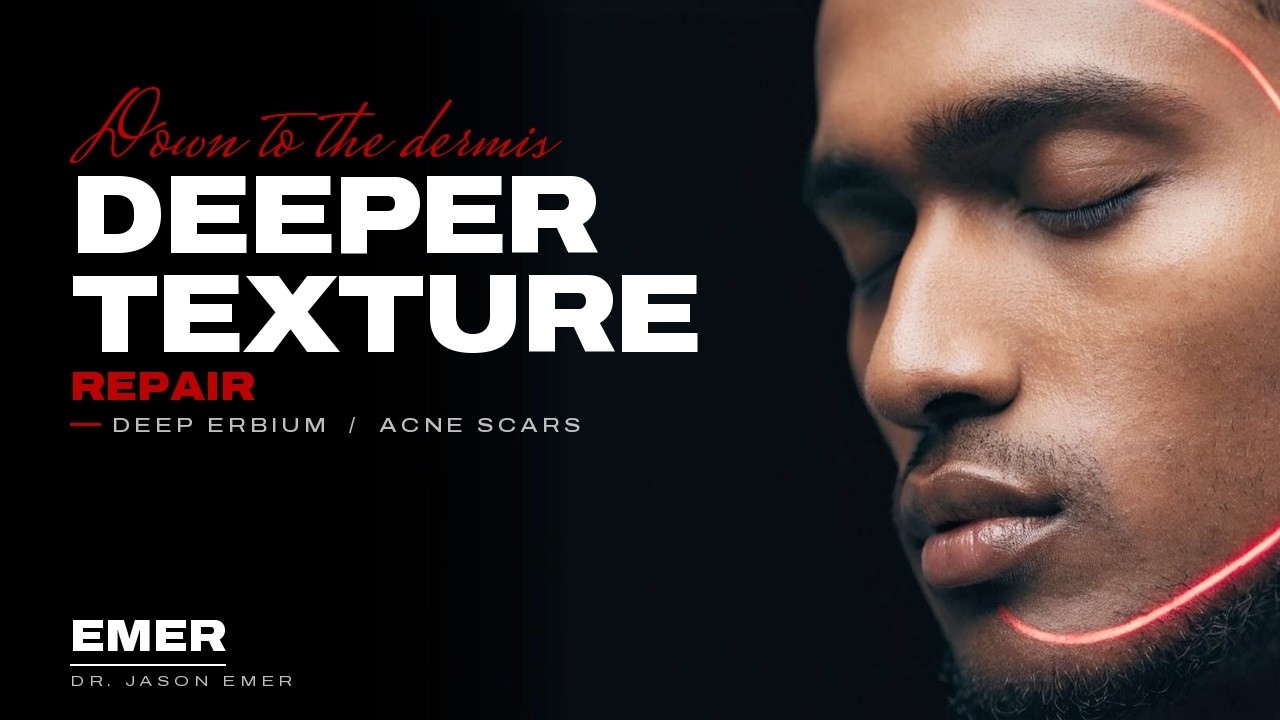
Dr. Emer uses a combination of deep fractional erbium and superficial ablative erbium, both at high density and high power. The depth is visible in the density of the dots on the skin during treatment. This is not a single pass maintenance laser. This is drilling hundreds of microns into the dermis to remodel scar tissue from the inside out.
Why this goes deeper than a phenol peel
Phenol peels are ablative on the surface, removing the top layer of skin. The deep fractional erbium used here penetrates hundreds of microns in depth, reaching layers a peel cannot. That is how laser achieves improvement over even a very deep peel, and it does so with lower risk of scarring than the deepest chemical peels.
The patient in this video has already had this procedure a couple of times before, with big improvement each session. The scars have been filled with microscopic silicone to restore volume, and now the surface texture is being addressed with the laser combination.
The protocol is not optional
This treatment requires a very aggressive skin care protocol called Reskin Stabilis, which includes vitamin C, hyaluronic acid, growth factors and peptides, stem cells, exfoliating cleansers made of papaya enzyme, and retinol and hydroquinone. If you do not follow the protocol, you cannot do the laser. The risk of hyperpigmentation on ethnic skin is too high without it.
Patients are on antibiotics, sometimes steroids if needed, and they peel for seven to ten days. Pain management includes nerve blocks, topical creams, pills, and shots. Nitrous is available, and the procedure can be performed in the operating room under sedation if needed.
Maintenance is part of the plan
This is a bigger treatment to get the patient somewhere. After this, maintenance treatments are required once he is happy with the result. That means treatments like Halo or Fraxel with micro needling or micro needling radio frequency every three to four months.
Every treatment is customized. Dr. Emer does not know the pricing until he knows what needs to be done, how many sessions are required, and whether it needs to be combined with filler, TCA cross, or subsision. This is a long term investment in the skin, not a single visit fix.