


It was never your skin.
It was the settings.
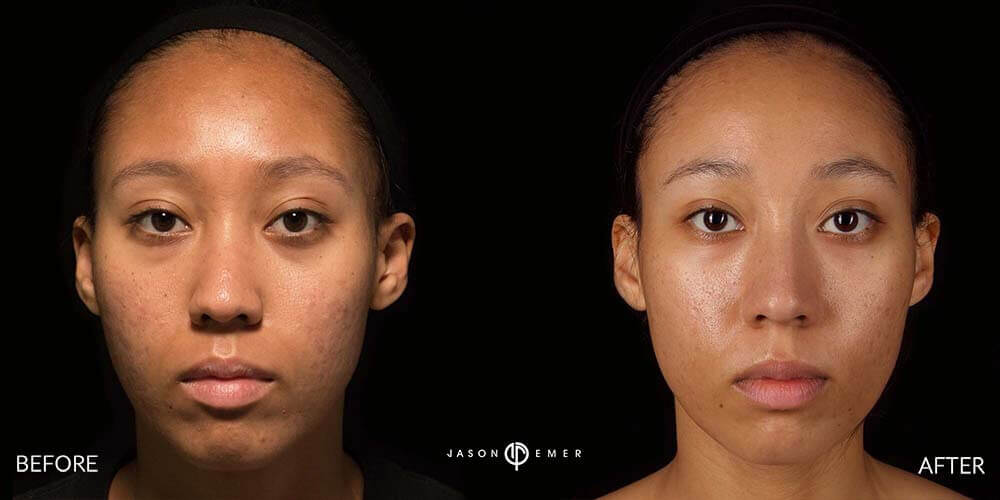
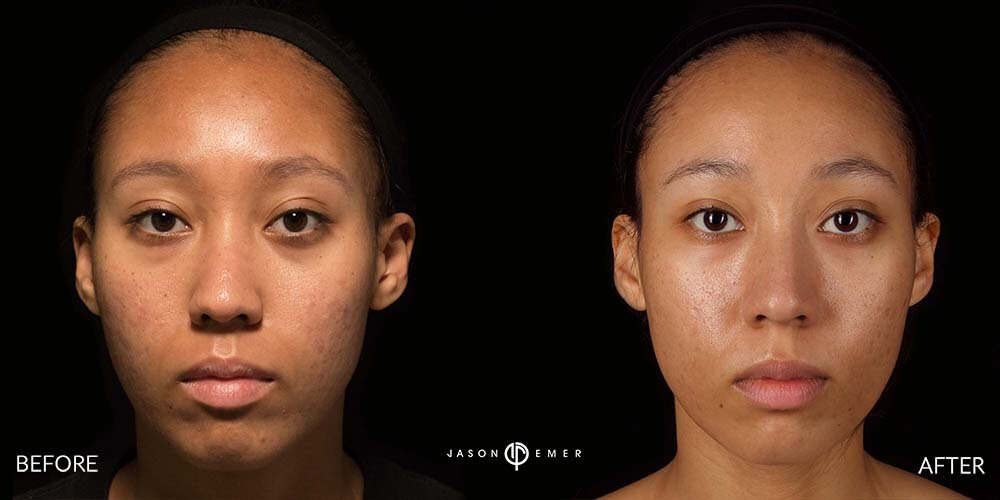
The patient in this video has darker skin and deep acne scarring. That combination has kept her from laser resurfacing at other practices, because many providers either will not treat darker tones or use settings that cause hyperpigmentation or hypopigmentation.
Dr. Emer built a protocol that makes deep erbium laser resurfacing safe for darker skin: the right combination of Halo and ProFractional lasers at settings that go deep without the heat that triggers pigment changes, plus prep and aftercare that prevent inflammation from turning into lasting discoloration.
Why erbium lasers work on darker tones when dialed correctly
Erbium lasers run cooler than CO2 lasers, which is why Dr. Emer uses them on patients with darker skin. The Halo and ProFractional combination creates microscopic channels deep into the dermis to remodel scar tissue and stimulate collagen, but the cooler wavelength means less coagulation and less risk of the heat damage that causes pigmentation problems.
That coolness also means more bleeding during the treatment. In the video you see blood and oozing as the laser works, which is normal: the lack of heat means blood vessels do not seal immediately. The trade is worth it, because the skin heals without the pigment issues that come from hotter lasers.
The prep and aftercare that make the difference
Dr. Emer does not perform this laser without a skincare protocol before and after. The patient's skin is prepped in the weeks leading up to the session to strengthen the barrier and reduce reactivity, and immediately after the laser he applies PRP and stem cells to the treated area.
Those stem cells and PRP absorb into the microscopic channels the laser just created, which speeds healing and prevents the inflammation that would otherwise turn into hyperpigmentation. The patient also had micro droplet silicone placed into her scars before the laser, which brings in more collagen as the skin remodels.
Without that prep and aftercare, even the right laser at the right settings is not safe for darker skin. Dr. Emer will turn a patient away if they want only the laser or only the filler, because the result depends on the full protocol.
What healing looks like
The treated skin will peel over the following days, revealing smoother, remodeled skin underneath. The patient in this video is on her second session, four years after her first treatment, which produced significant improvement. For someone starting fresh, Dr. Emer recommends sessions every two to four months for the first few treatments, then maintenance once or twice a year.
Long term anti aging for skin, in his view, is facials every month, laser every two to four months, and daily skincare. That is the plan that keeps results consistent.
Who this fits
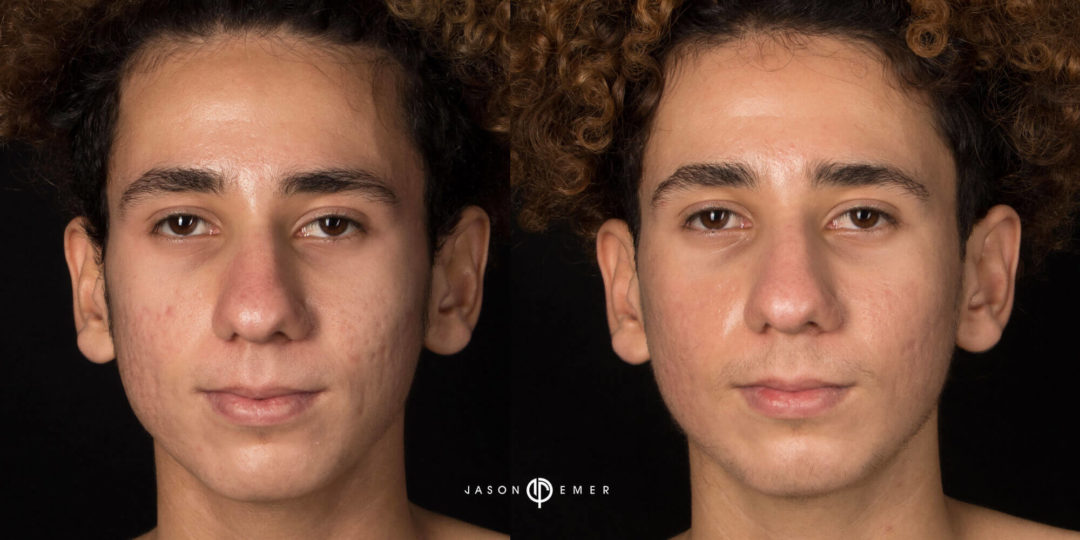
This protocol is for patients with darker skin tones who have been told they cannot have laser resurfacing, or who have had pigmentation problems from lasers elsewhere. It also fits anyone with deep acne scars or texture issues who wants real remodeling, not just surface improvement.
Candidacy depends on your skin tone, your scarring, and whether you can commit to the prep and aftercare. That is decided in consultation, and for patients traveling from far away, a virtual consult with the team can get the skincare protocol started before the visit.