First, the map, because scars don't match
Walk into most offices with acne scars and the conversation starts with a device. In Dr. Emer's room it starts with a map. Rolling scars tether and shadow. Boxcars punch sharp-edged craters. Ice-pick scars dive far deeper than they look, deep enough that surface lasers pass right over them. Two people with 'acne scars' can need entirely different plans, and the same face usually carries three or four scar types at once.
That is why every scar is read individually: its shape, its depth, its color, how the skin moves over it, and what the healing history says about how this skin responds. The map decides the plan. Not the menu, and never the machine that happens to be in the room.
The combination approach they weren't ready for
Years before combination therapy became the standard talking point at every aesthetics conference, Dr. Emer was presenting layered treatment (regenerative injections, microneedling, and laser working together) to rooms that weren't ready to hear it. The industry caught up. Layering is everywhere now. What doesn't transfer is the judgment: which layers, in which order, for which scar, on which skin.
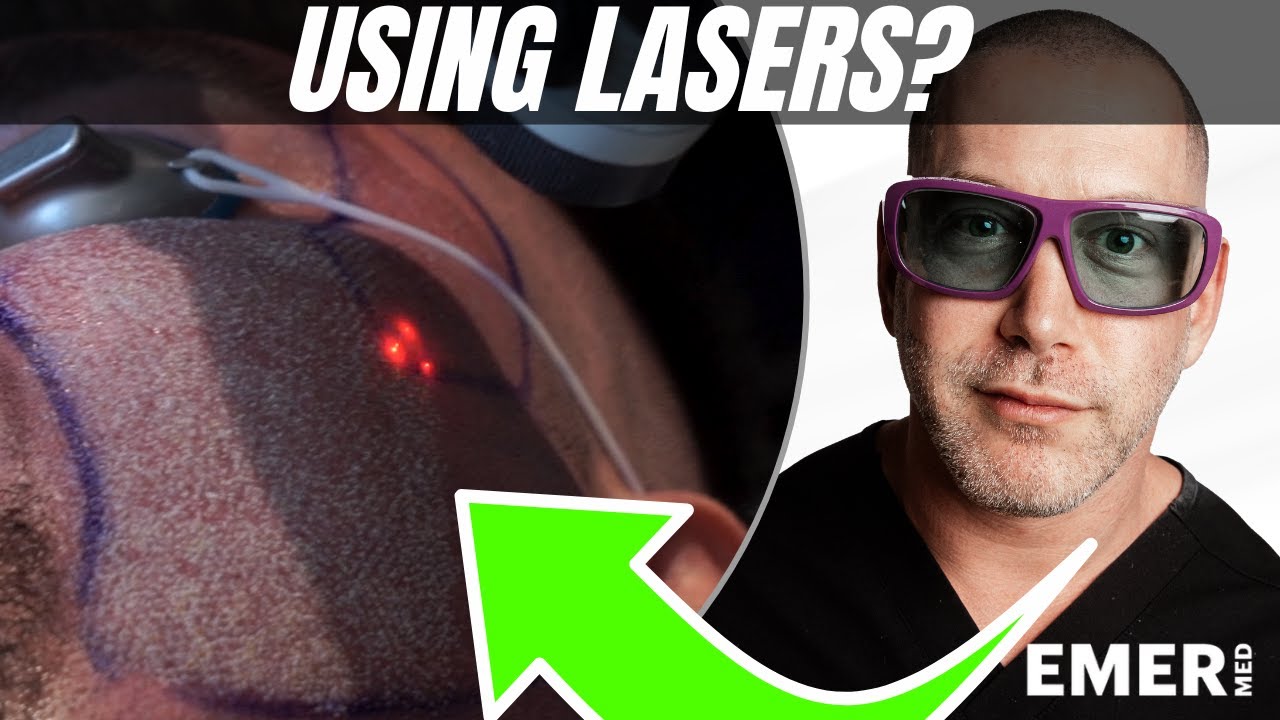
In the video above he walks through that reasoning the way he does on camera every week: openly, specifically, and with the risks and alternatives on the table. Watch it. Then notice what he never does: promise that one technology fixes everything. Depressed scars need support beneath them. Tethered scars need release. Texture needs resurfacing. Discoloration needs its own answer. One tool can't do four jobs.
The honest part: risks, alternatives, and skin type
Not every treatment is safe for every skin type, and a plan that ignores that isn't a plan. Darker skin tones may need preparation before energy-based treatment and a different sequence entirely, because the risk of post-inflammatory pigmentation is real and has to be managed on purpose. Downtime, healing windows, and the option of doing less all belong in the first conversation, not the fine print.
That conversation is the difference between chasing scars one device at a time and correcting them with intent. This page is education. The decisions are made in a consultation, face to face, with your map on the table.
This content is for general education and does not provide a diagnosis, determine candidacy, or replace a consultation with a licensed clinician.