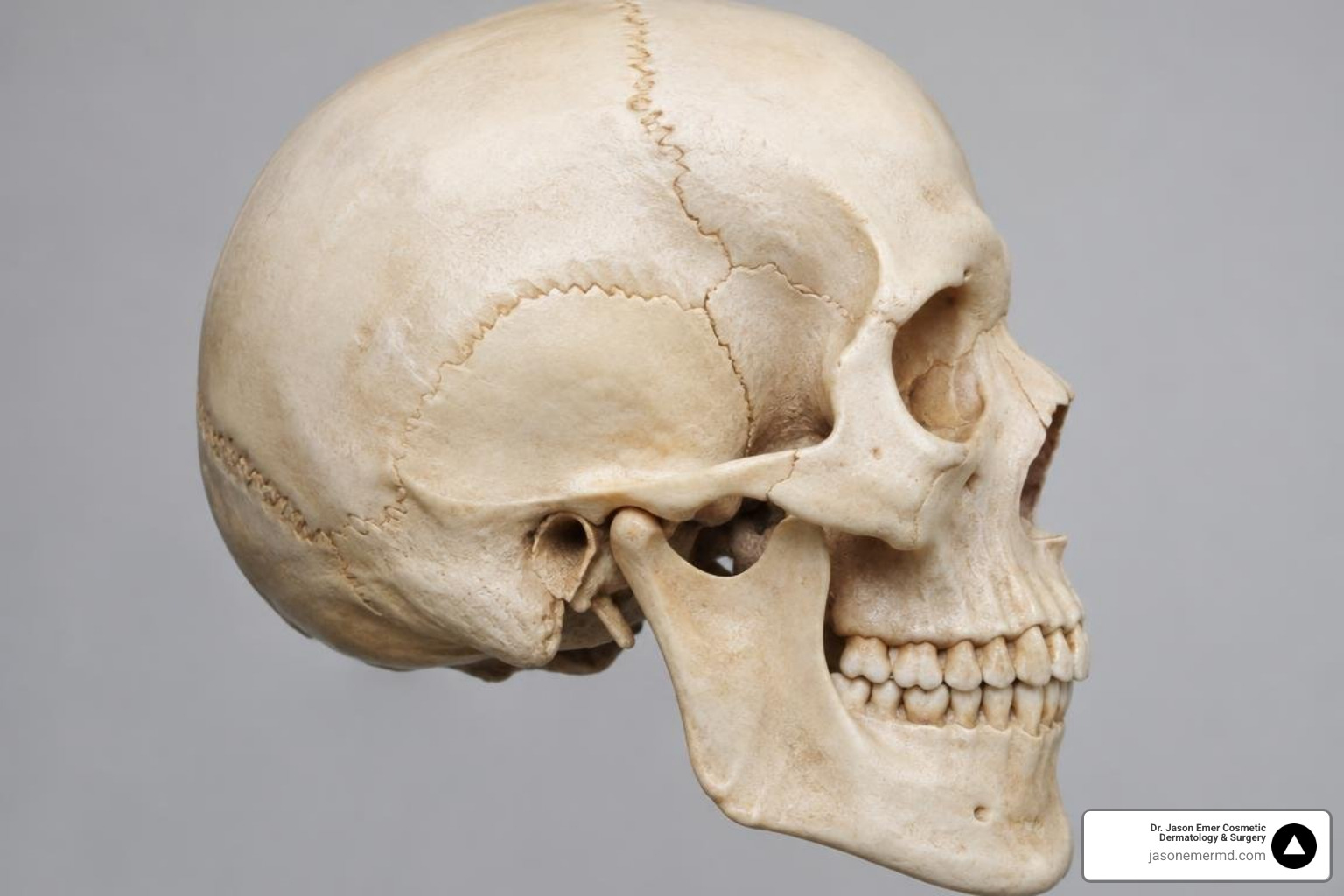
Jawline Shaving Surgery Starts With the Source of Jaw Width
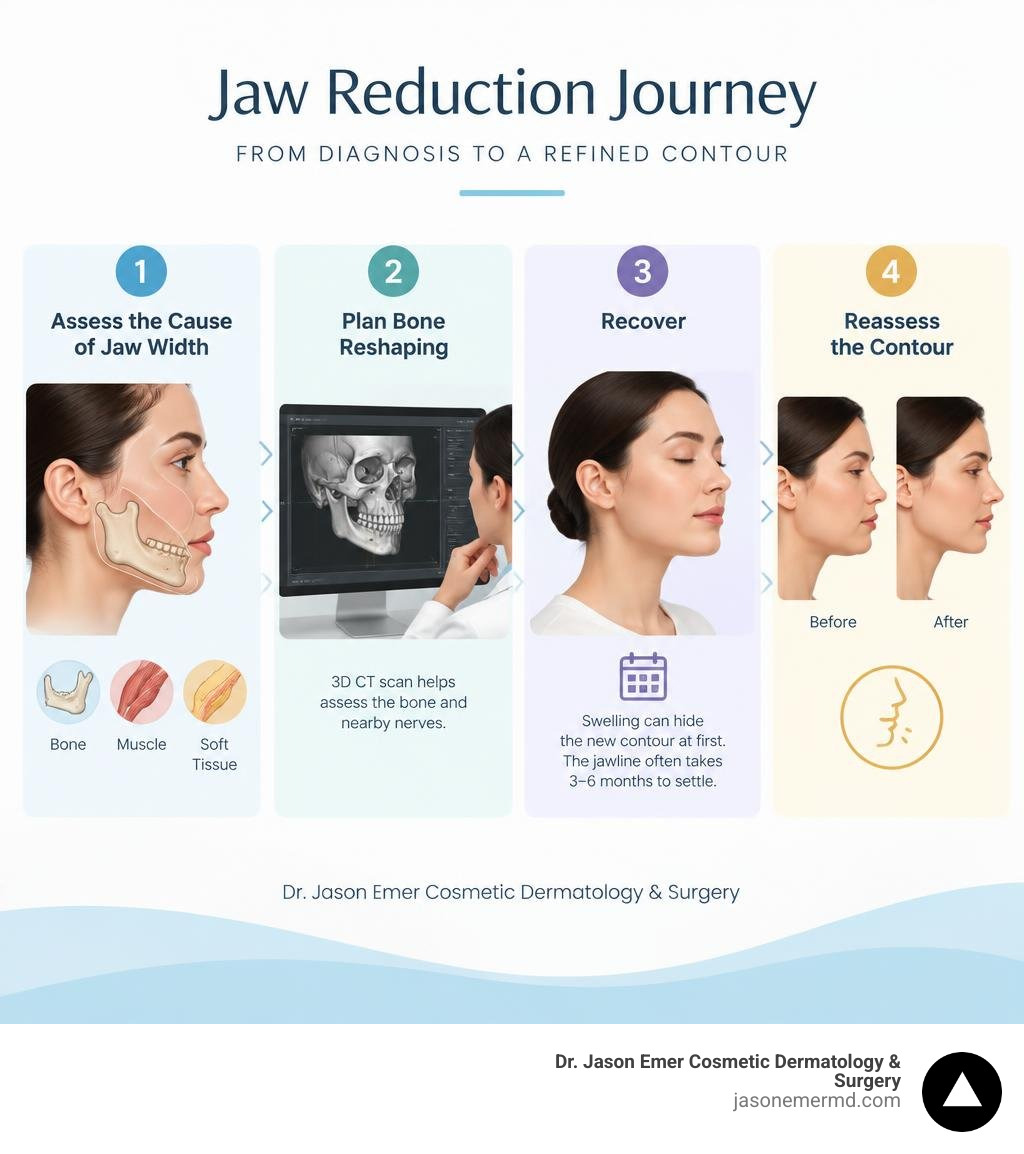
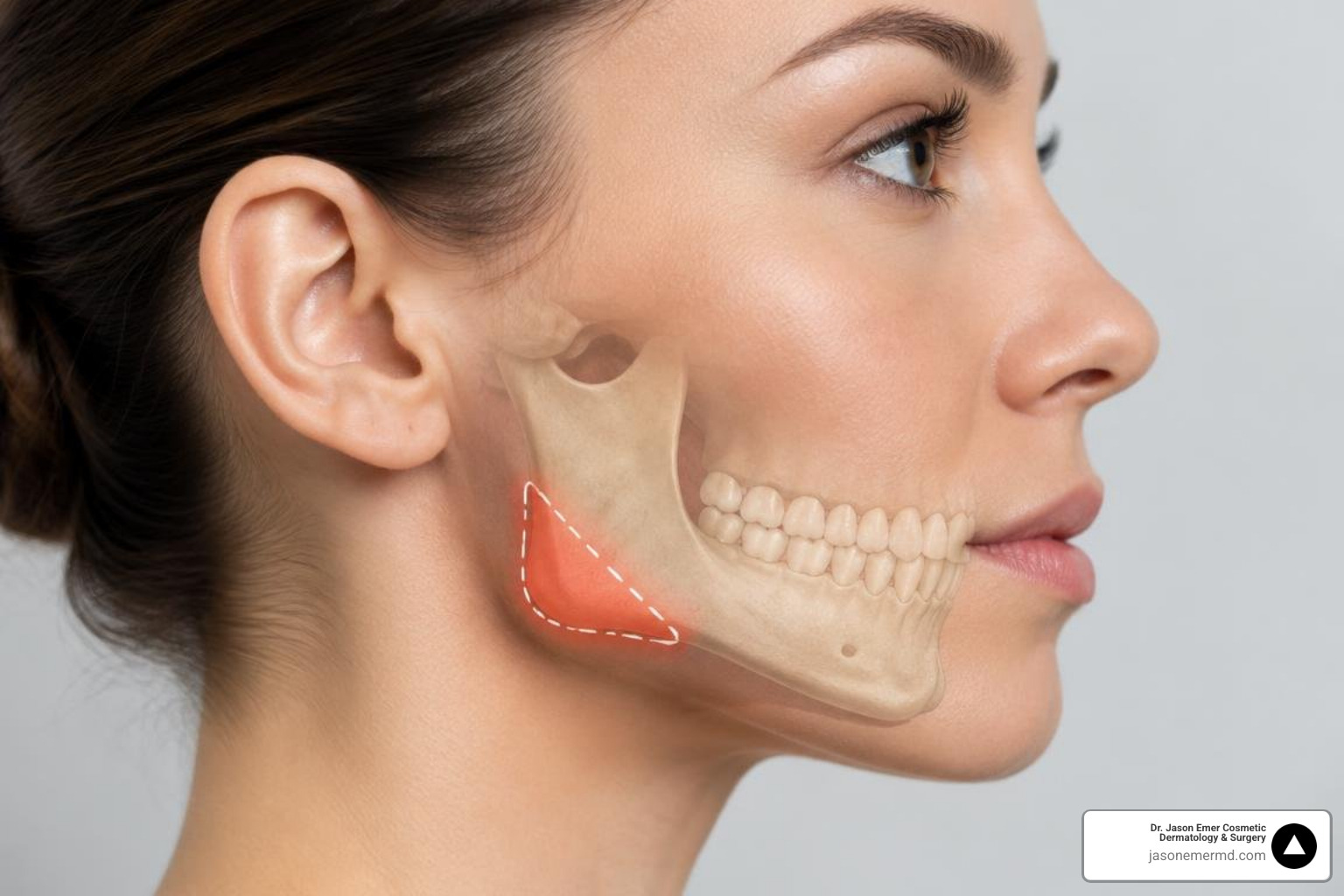
Most consultations assume a wide lower face requires immediate bone reduction. In clinical practice, evaluating the structural cause comes first. Jawline shaving surgery reduces mandibular bone to reshape lower facial contours, typically via intraoral incisions. Before surgery, a clinician determines whether lower facial width originates from bone, masseter muscle bulk, or overlying soft tissue.
Preoperative planning relies on 3D CT mapping to assess bone margins and nerve pathways. Swelling conceals initial results, with the jawline settling over three to six months.
Dr. Emer (Jason Emer, MD, FAAD) is a board-certified dermatologist with over 19 years of experience in body contouring and nonsurgical facial rejuvenation. His work provides anatomical context for how bone reduction differs from nonsurgical options, while a qualified facial bone surgeon performs surgical contouring.
Patients researching structural refinement can explore jaw line reduction, assess jawline reduction non surgical methods, and determine if jawline surgery fits their long-term goals.
Jawline shaving surgery uses surgical planning to reshape the mandibular contour.
Precise bone reduction requires detailed preoperative diagnostics. Surgeons use high-resolution 3D CT imaging to map mandibular anatomy and trace the inferior alveolar and mental nerves, preventing nerve injury during bone resection. Concealed intraoral incisions between the lower gumline and cheek mucosa prevent external facial scarring. This diagnostic stage is not a formality; it determines how much bone can safely be removed and where the natural limits of the jaw angle lie before any instrument touches the bone.
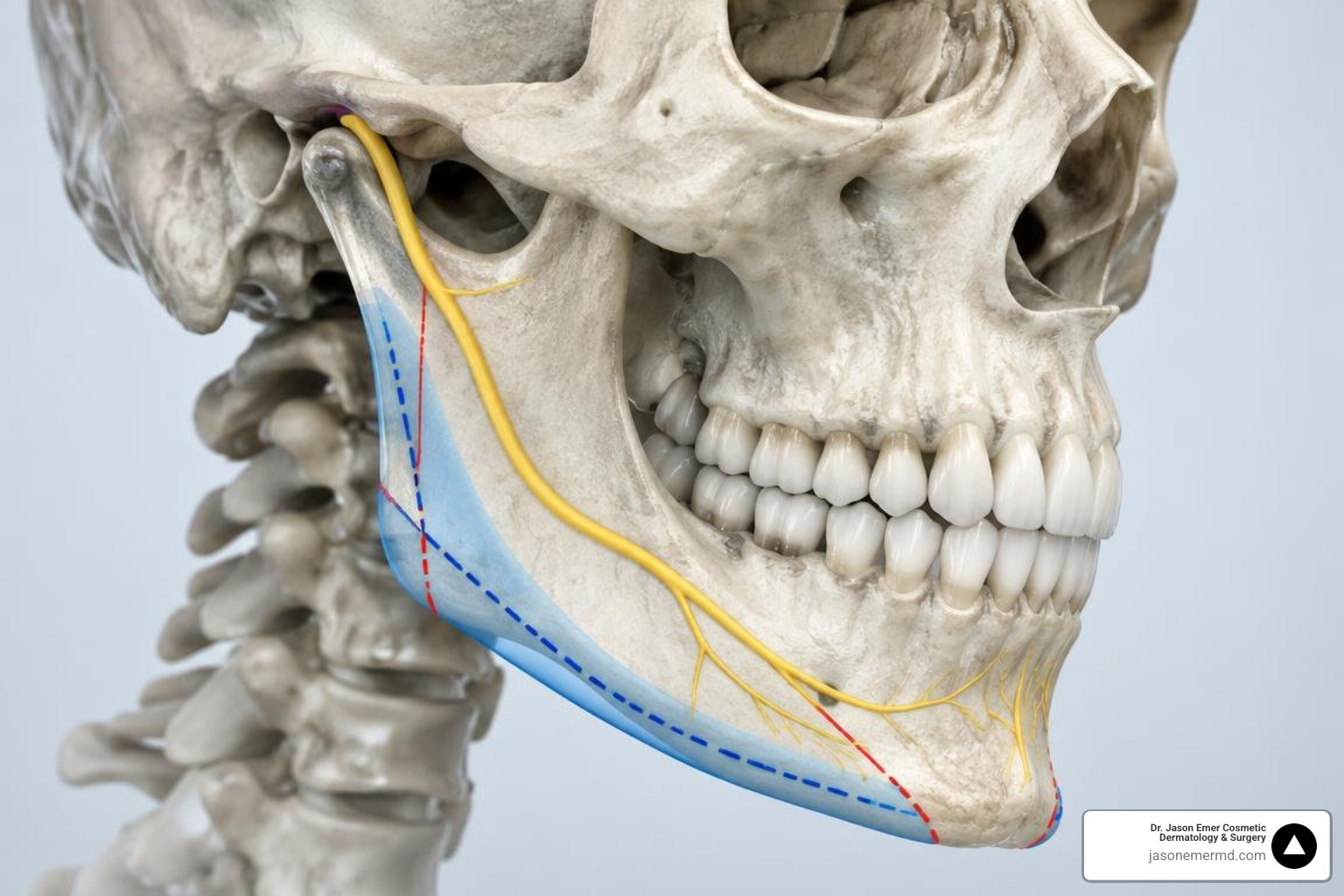
During surgical chin and jawline contouring, the surgeon accesses the mandibular angle and outer cortical bone. Specialized piezoelectric instruments or oscillating saws shave flared bone. Ultrasonic piezoelectric vibrations selectively cut mineralized bone while protecting adjacent nerves and soft tissues. Partial masseter muscle resection may occur simultaneously if muscle bulk adds to lower facial width. Dissolvable sutures close the intraoral incisions, reducing the need for a follow-up visit solely for stitch removal.
Mandibular angle shaving focuses on narrowing flared posterior bone angles. In contrast, comprehensive V-line surgery combines mandibular reduction with a genioplasty or T-osteotomy to reshape the chin. Choosing between these approaches is a tradeoff between the scope of change and the length of recovery; a more limited angle-shaving procedure generally involves less swelling and a shorter settling period than a combined V-line approach. The American Association of Oral and Maxillofacial Surgeons provides additional information on surgical bone contouring standards.
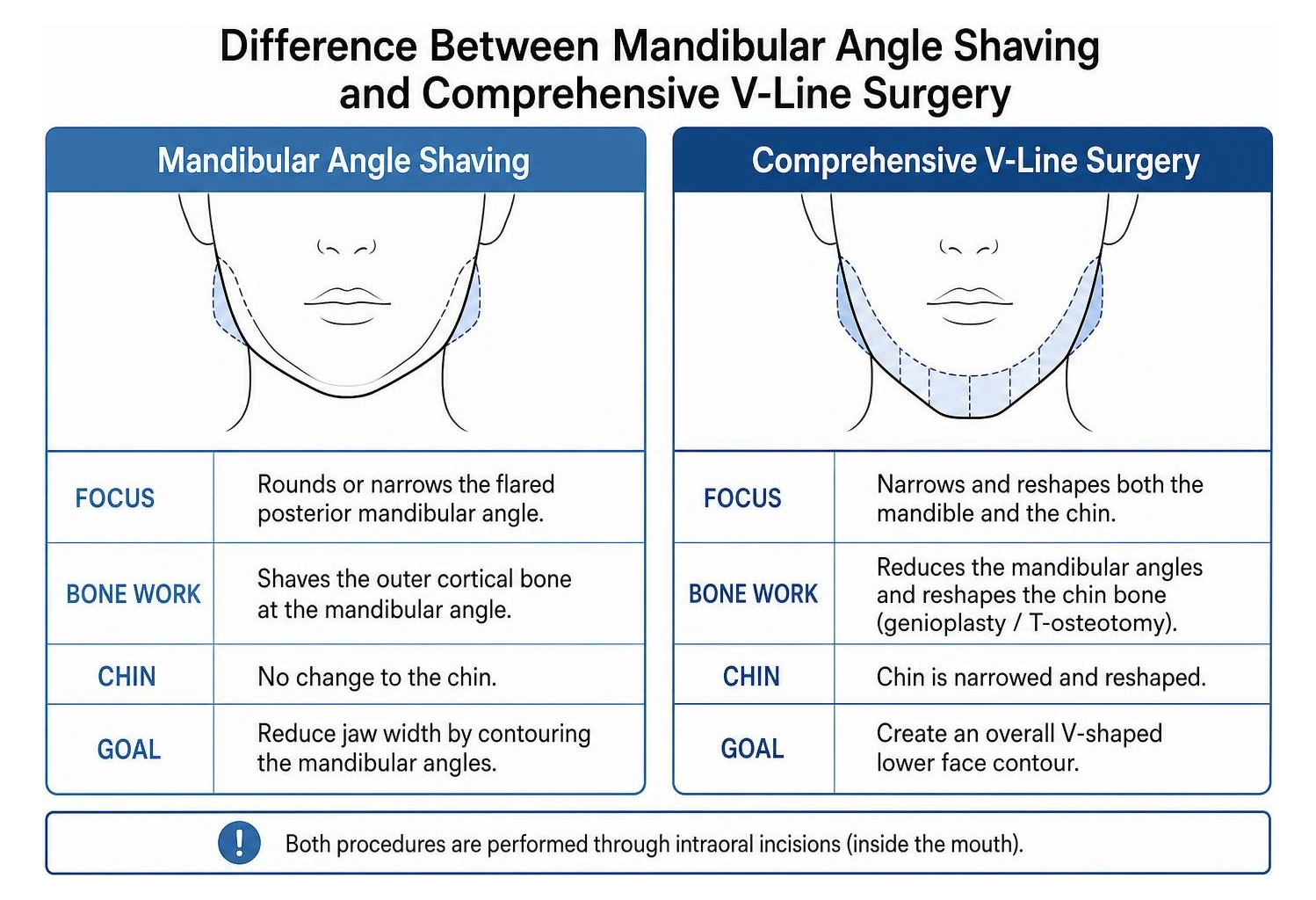
The decision about which technique to use, and how much bone to remove, is made during consultation rather than decided in advance. Facial proportions, bone density, and the patient's long-term goals all factor into the surgical plan.
Candidate evaluation helps distinguish bone prominence from other causes of a broad lower face.
A broad lower face can stem from skeletal anatomy, masseter muscle hypertrophy, subcutaneous fat, or prominent buccal fat pads. Thorough candidate assessment isolates the primary tissue layer. Patients with wide mandibular angles and firm soft-tissue elasticity are evaluated for bone reduction, provided good oral health minimizes intraoral infection risks. This evaluation is a clinical judgment made in consultation, not a self-diagnosis a patient can make from a mirror.
Non-surgical alternatives provide an important pathway when skeletal reduction is unnecessary. Neuromodulator injections into the masseter muscles slim the lower face over several weeks without surgical downtime. Submental liposuction or energy-based tightening addresses adipose deposits and skin laxity. Patients with volume loss can explore non-surgical jawline reduction using structural dermal fillers to rebalance facial proportions. Choosing a nonsurgical route, or choosing to do nothing at all, remains a legitimate option when the width in question is modest or when a patient prefers to avoid surgical recovery entirely.
| Treatment Approach | Primary Target Layer | Invasiveness | Recovery Period |
|---|---|---|---|
| Jawline Shaving Surgery | Mandibular bone structure | Surgical (general anesthesia) | 10 to 14 days initial; 3–6 months settled |
| Masseter Neuromodulators | Masseter muscle | Non-surgical injection | Minimal; no social downtime |
| Submental Contouring | Subcutaneous adipose tissue | Minimally invasive | 3 to 7 days |
When energy-based devices or skin treatments are incorporated, skin tone must be evaluated. Darker skin types carry an increased risk of post-inflammatory hyperpigmentation (PIH). Device settings and treatment sequencing require careful adjustment to protect the skin barrier, and in some cases a gentler sequence of lower-intensity sessions is favored over a single aggressive treatment to reduce that risk.
For patients who combine bone-based concerns with soft-tissue bulk, a staged plan may address both surgical and nonsurgical elements sequentially rather than in a single visit. Sequencing decisions like these are made individually, based on how the tissue responds to earlier treatment.
Recovery and safety planning help set expectations after jaw reduction surgery.
Initial recovery after mandibular bone reduction spans 10 to 14 days. Post-operative swelling peaks between days two and three before subsiding over two to four weeks. Patients wear a supportive compression garment to control fluid retention and support soft tissue redraping. The final mandibular contour emerges over three to six months as deep tissues adapt. Recovery is not a side note to the procedure; it is part of the plan itself, and the timeline should factor into when a patient schedules surgery relative to work or social obligations.
A soft or liquid diet protects intraoral incisions during the first week. Strict oral hygiene and antibacterial rinses keep dissolvable sutures clean. Strenuous exercise must be avoided for three to four weeks to minimize bleeding. Understanding these requirements helps patients evaluate whether jawline surgery is worth the recovery time.
Surgical bone reduction involves risks such as temporary or persistent numbness in the lower lip and chin from nerve irritation, infection, asymmetric healing, and overcorrection. These are real limitations of the procedure, not remote hypotheticals, and they are weighed against the expected benefit during consultation. Preserving a natural gonial angle prevents an artificial contour, and a surgeon who removes too much bone cannot easily add it back, which is why conservative, staged reduction is often favored over a single aggressive resection.
Frequently asked questions about jaw bone reduction
How long does it take to see the final results after jaw bone reduction?
Initial swelling subsides in two to four weeks, while final soft-tissue settling takes three to six months.
Are visible external scars left after the procedure?
No. Incisions are placed entirely inside the mouth, leaving no external scars.
Can bone contouring be combined with other facial enhancement procedures?
Surgeons frequently combine bone shaving with genioplasty, buccal fat removal, or chin liposuction and neck contouring for balanced facial proportions.
Scheduling a consultation for chin and jawline surgery allows a clinician to evaluate lower facial anatomy and determine the appropriate surgical or non-surgical plan, including whether a more conservative or combined approach fits the patient's goals.
What to remember
- Jaw reduction surgery reshapes the mandibular bone through concealed intraoral incisions.
- Initial swelling peaks at two to three days, with full tissue settling taking three to six months.
- Diagnostic evaluation identifies whether jaw width stems from bone, muscle, or fat.
This content is for general education and does not provide a diagnosis, determine candidacy, or replace a consultation with a licensed clinician.
This resource provides general educational information. Treatment recommendations depend on your health, goals, and consultation with a qualified clinician.