Why GHK-Cu May Help Calm Inflammation During Tissue Repair
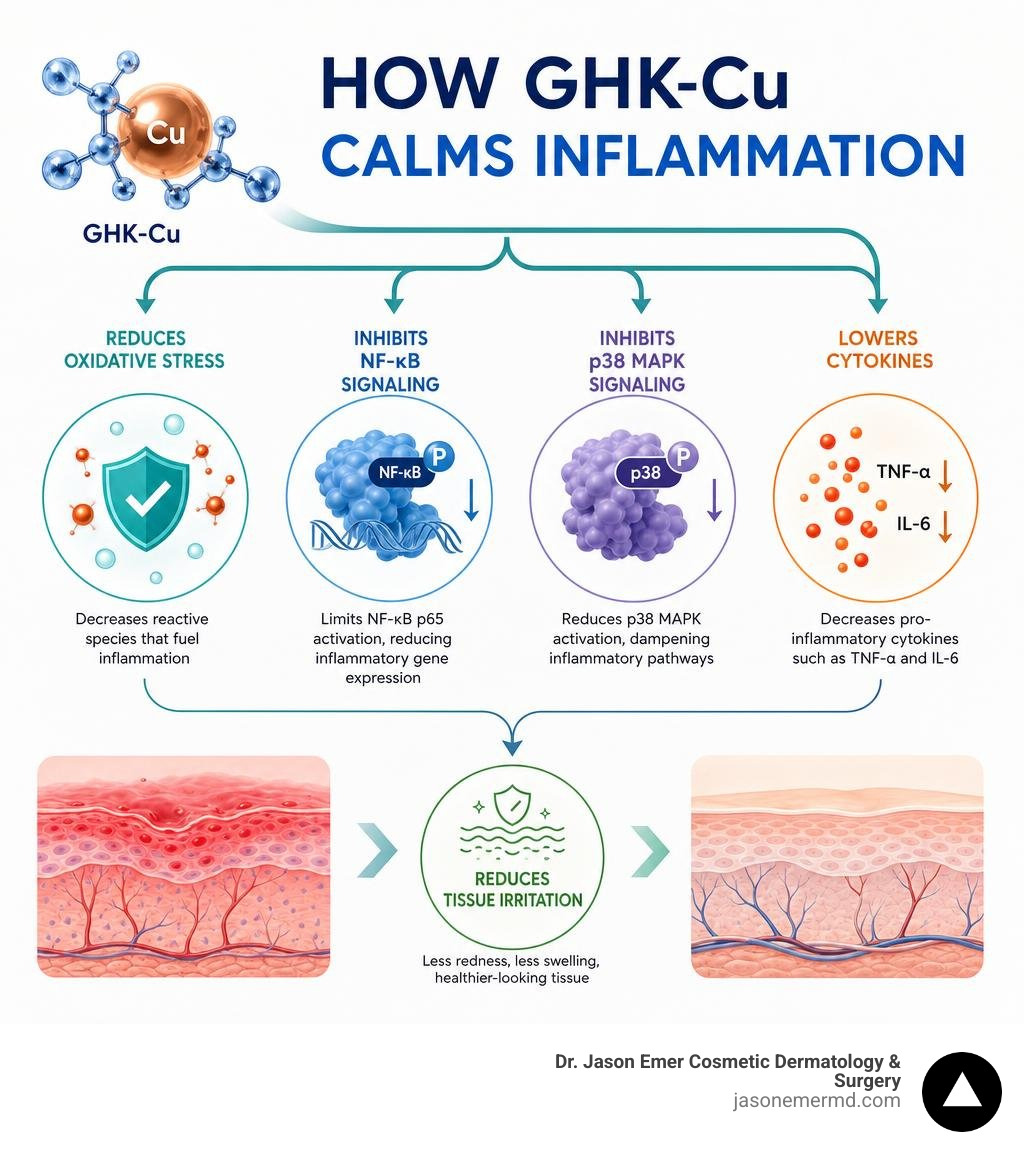
GHK-Cu is a copper-bound tripeptide being studied for its ability to reduce inflammatory signaling while supporting tissue repair. In preclinical cell and animal research, GHK-Cu lowers inflammatory messengers such as TNF-alpha and IL-6, in part by limiting activation of NF-kB p65 and p38 MAPK. It also reduces oxidative stress, which can otherwise keep inflammation active and contribute to visible redness, barrier disruption, and slower recovery.
GHK is short for glycyl-L-histidyl-L-lysine, a peptide naturally present in human fluids. When it binds copper, it forms GHK-Cu, a complex that can safely carry copper to biological processes involved in antioxidant defense and connective-tissue remodeling. Research suggests natural GHK levels fall from roughly 200 ng/mL around age 20 to about 80 ng/mL by age 60. That decline is associated with a broader aging pattern: less efficient repair and more persistent low-grade inflammation.
The evidence is promising, but important context matters: much of the strongest GHK-Cu anti-inflammatory data comes from laboratory and animal studies, including models of acute lung injury and fibrosis. It should not be treated as a proven systemic anti-inflammatory drug. In cosmetic dermatology, its most established role remains topical support for skin quality, barrier recovery, and post-procedure tissue remodeling.
I am Jason Emer, MD FAAD, a board-certified dermatologist with more than 19 years of experience in advanced cosmetic dermatology, laser treatments, and regenerative-focused skin care. My approach to GHK-Cu anti-inflammatory science is practical: connect promising mechanisms to personalized care while keeping expectations grounded in the quality of the evidence.
GHK-Cu Anti-Inflammatory Signaling and Molecular Pathways
At the center of any effective healing cascade lies a finely tuned balance between cellular activation and resolution. When tissue experiences acute stress—whether from environmental insults, mechanical disruption, or surgical intervention—it activates nuclear factor kappa-light-chain-enhancer of activated B cells (NF-κB) and mitogen-activated protein kinases (MAPK). These pathways initiate the transcriptional activation of inflammatory genes.
Scientific research on peptide mechanisms demonstrates that GHK-Cu modulates these master signaling cascades. Specifically, GHK-Cu inhibits the phosphorylation and subsequent nuclear translocation of the NF-κB p65 subunit. Under typical inflammatory conditions, phosphorylated p65 migrates into the cellular nucleus to trigger the rapid transcription of pro-inflammatory cytokines, most notably tumor necrosis factor-alpha (TNF-α) and interleukin-6 (IL-6). By restricting p65 access to the nucleus, GHK-Cu substantially blunts downstream cytokine release.
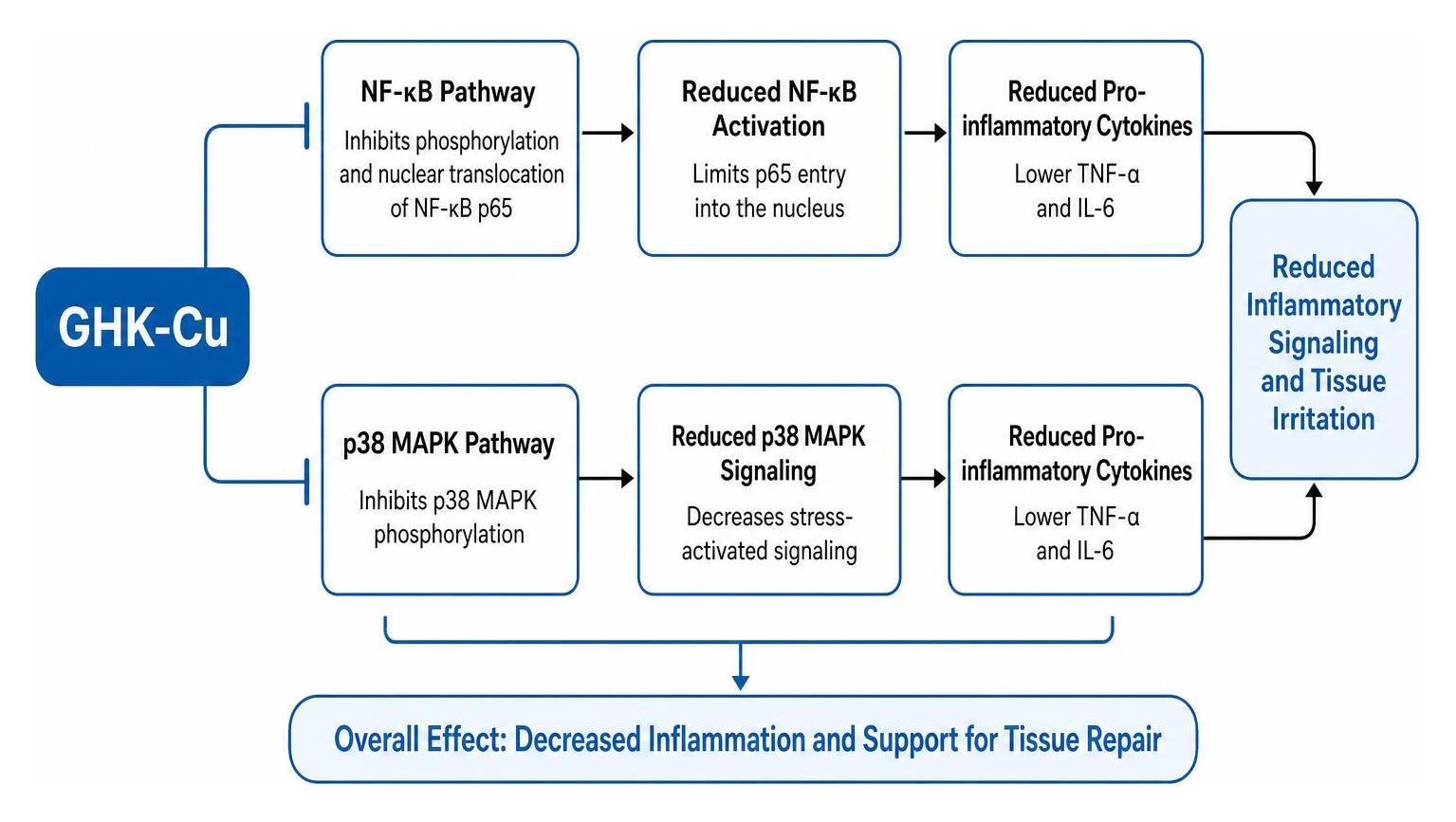
Simultaneously, the complex inhibits p38 MAPK phosphorylation. This kinase coordinates cellular responses to external stressors and works cooperatively with NF-κB to sustain chronic inflammatory signaling. Through the concurrent upregulation of sirtuin 1 (SIRT1), GHK-Cu promotes the deacetylation of signal transducer and activator of transcription 3 (STAT3). This mechanism suppresses T-helper 17 (Th17)-mediated immune overactivation and preserves epithelial barrier integrity by upregulating junctional proteins like ZO-1 and Occludin.
Cellular Signaling and GHK-Cu Anti-Inflammatory Pathways
The functional benefits of these signaling cascades are visible in macrophage behavior. Macrophages serve as primary coordinators of tissue defense and repair, shifting between two functional phenotypes:
- M1 Macrophages (Pro-inflammatory): Activated during the initial defense phase, M1 cells produce reactive oxygen species (ROS), nitric oxide via inducible nitric oxide synthase (iNOS), and destructive inflammatory cytokines.
- M2 Macrophages (Pro-resolving): Essential for proliferative remodeling, M2 cells synthesize transforming growth factor-beta (TGF-β), clear matrix debris, and coordinate matrix deposition.
When tissues remain trapped in an unresolving M1 state, prolonged cytokine production disrupts healing and degrades healthy collagen. Pretreatment with GHK-Cu suppresses intracellular ROS and attenuates c-Jun N-terminal kinase (JNK1/2) phosphorylation. This dynamic facilitates the transition of macrophage populations from a reactive M1 phenotype to an anti-inflammatory, pro-regenerative M2 phenotype.
In our aesthetic and surgical work, incorporating advanced peptides helps prevent prolonged post-procedural erythema and promotes structured extracellular matrix remodeling.
Antioxidant Synergy and Radical Quenching
Oxidative stress and chronic inflammation exist in a self-perpetuating feedback loop: reactive oxygen species trigger inflammatory gene transcription, which recruits activated leukocytes that generate additional oxidative bursts. GHK-Cu intervenes directly within this cycle.
Unchecked free radicals initiate lipid peroxidation, degrading cell membrane lipids into toxic, highly reactive carbonyl by-products such as 4-hydroxynonenal (4-HNE), malondialdehyde (MDA), glyoxal, and acrolein. GHK possesses an intrinsic biochemical capacity to directly bind and neutralize these alpha,beta-unsaturated aldehydes, protecting dermal fibroblasts and epidermal keratinocytes from oxidative damage.
| Biological Property / Marker | Free GHK Tripeptide | GHK-Cu Complex | Endogenous Glutathione (GSH) |
|---|---|---|---|
| Direct Hydroxyl Radical Quenching | Exceptional (Exceeds GSH capacity) | Moderate to High | High (Primary intracellular defense) |
| Lipid Carbonyl Scavenging (4-HNE, Acrolein) | High direct covalent binding | High direct covalent binding | Moderate indirect conjugation |
| Ferritin Iron Blockade | Low | High (87% reduction in Fe²⁺ release) | Negligible |
| Endogenous SOD Upregulation | Moderate | High (Restores baseline enzymatic activity) | Neutral |
| Nrf2 / HO-1 Pathway Activation | Low to Moderate | High (Drives antioxidant transcription) | Secondary substrate |
Beyond direct radical scavenging, GHK-Cu blocks ferritin iron release channels by approximately 87%. Free Fe²⁺ ions catalyze Fenton reactions, converting mild peroxides into destructive hydroxyl radicals. By sequestering iron within its storage shell, GHK-Cu eliminates a key catalyst of lipid peroxidation. Furthermore, GHK-Cu activates the nuclear factor erythroid 2-related factor 2 (Nrf2)/Keap1 pathway, inducing heme oxygenase-1 (HO-1) transcription and elevating endogenous superoxide dismutase (SOD) activity.
Free GHK vs. Copper-Bound Complex: How Chelation Drives Tissue Repair
The biochemical activity of GHK changes significantly depending on whether it exists as an unchelated tripeptide or complexed with divalent copper [Cu(II)]. The histidine imidazole ring and terminal amino groups of GHK create a high-affinity binding site for Cu(II) with an exceptionally strong stability constant ($\text{p}K_a \approx 16.44$).
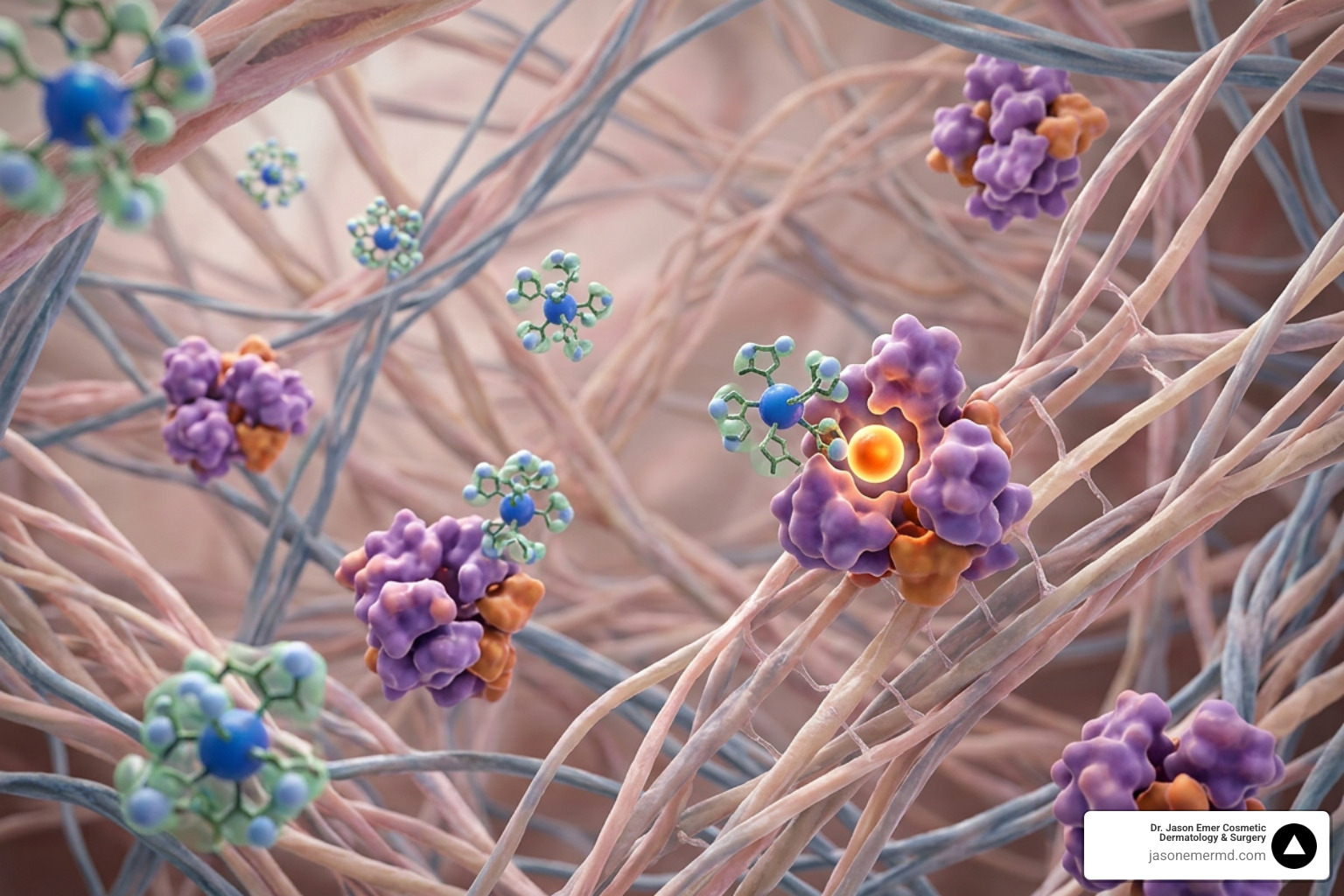
This high affinity prevents unbound copper from engaging in pro-oxidant redox cycling, a process termed "redox silencing." Free ionic copper can react with ambient cellular peroxides to generate free radicals; chelated GHK-Cu silences this reactivity while safely shuttling bioavailable copper to critical metalloenzymes.
- Lysyl Oxidase (LOX): Requires copper as an essential cofactor to catalyze covalent cross-linking between collagen and elastin fibrils, restoring tensile strength to repairing tissues.
- Copper-Zinc Superoxide Dismutase (Cu/Zn SOD1): Relies on delivered copper ions within its catalytic core to disproportionate superoxide radicals into molecular oxygen and hydrogen peroxide.
Preclinical cell data reveals a functional division between the two forms: copper-free GHK supports stem cell self-renewal and clonogenic proliferation, while the copper-bound GHK-Cu complex drives cell maturation, functional differentiation, and matrix production.
Preclinical Evidence in Acute Lung Injury and Fibrosis
While frequently discussed in dermatology, GHK-Cu's systemic anti-inflammatory actions are clearly demonstrated in pulmonary disease models. In lipopolysaccharide (LPS)-induced acute lung injury (ALI), endotoxins trigger intense microvascular permeability, marked alveolar wall thickening, and massive leukocyte recruitment.
Scientific findings on pulmonary tissue protection highlight that systemic administration of GHK-Cu significantly reduces inflammatory cell infiltration into bronchoalveolar lavage fluid (BALF). It decreases myeloperoxidase (MPO) activity—a primary marker of neutrophil activation—while restoring intracellular SOD and total glutathione levels. Histological analysis reveals significant reductions in alveolar wall thickening, protein extravasation, and parenchymal hemorrhage.
Similarly, in bleomycin-induced pulmonary fibrosis models, GHK-Cu administration reduces interstitial collagen accumulation and lowers local levels of TNF-α, IL-6, and TGF-β1. Molecular profiling identifies Peroxiredoxin 6 (PRDX6) as a direct binding target of GHK-Cu, mitigating oxidative-mediated fibrotic progression without causing systemic cytotoxicity.
Age-Related Plasma Decline and Systemic Regenerative Applications
GHK is an endogenous human molecule produced throughout life, but its circulating levels decline sharply with age. In young adults around age 20, mean plasma concentrations hover near 200 ng/mL. By age 60, systemic levels drop by more than 60%, falling to approximately 80 ng/mL.
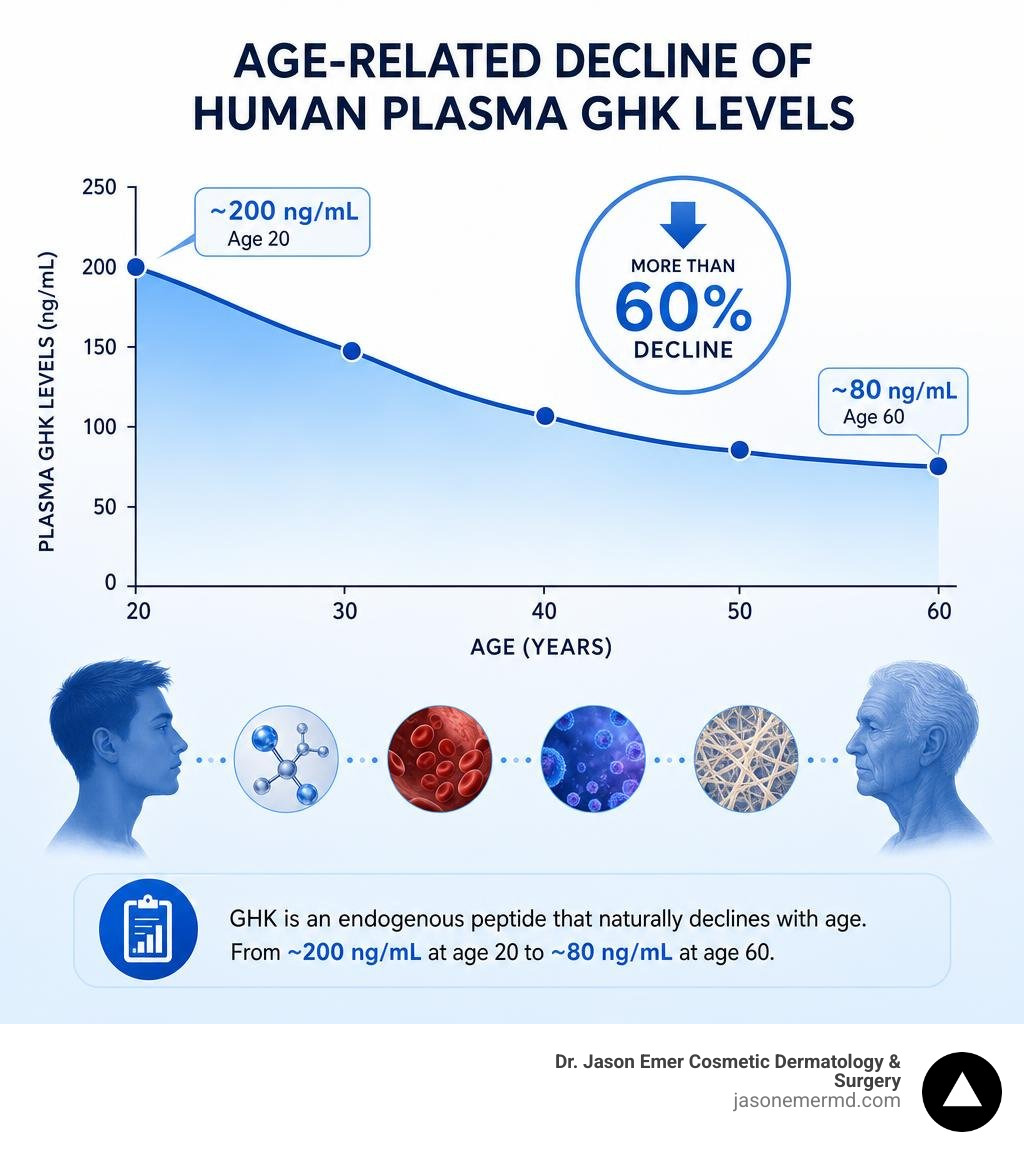
This systemic reduction correlates with "inflammaging"—the progressive, low-grade, chronic inflammatory state that impairs tissue repair and degrades connective matrix. As endogenous GHK-Cu levels diminish, tissues exhibit:
- Slower fibroblast migration and delayed re-epithelialization
- Elevated baseline matrix metalloproteinases (MMPs) with reduced tissue inhibitors of metalloproteinases (TIMPs)
- Decreased lysyl oxidase activity, yielding disorganized, fragmented elastin and collagen fibers
- Reduced antioxidant reserves, increasing vulnerability to environmental UV and oxidative damage
Within modern regenerative medicine, replenishing this signaling peptide helps restore youthful cellular communication. At a molecular level, GHK-Cu upregulates critical DNA repair genes, including RAD50, PARP3, and POLM, helping cells repair double-strand DNA breaks and maintain genomic stability during tissue remodeling.
Epigenetic Reprogramming and GHK-Cu Anti-Inflammatory Action in Neuroprotection
Large-scale genomic data from the Broad Institute Connectivity Map shows that GHK-Cu modulates more than 4,000 human genes, adjusting roughly 31.2% of the human genome by at least 50%. Rather than acting as a simple receptor agonist, GHK-Cu functions as a broad transcriptional regulator, downregulating pro-inflammatory and metastatic pathways while upregulating structural regeneration and cellular defense cascades.
When evaluating systemic repair protocols, researchers frequently study multi-peptide strategies combining GHK-Cu with compounds like BPC 157 to support simultaneous vascular and connective tissue healing.
Because GHK crosses the blood-brain barrier parenterally, its anti-inflammatory and epigenetic actions extend to neurological tissues. GHK upregulates histone deacetylase 2 (HDAC2), an enzyme essential for epigenetic regulation of synaptic plasticity and memory formation. In aged murine models, systemic administration of GHK-Cu reduced neuroinflammatory microglial activation and produced measurable improvements in spatial learning and cognitive testing.
Advanced Delivery Systems and Transdermal Optimization
Despite its high biological activity, delivering native GHK-Cu across human skin presents pharmaceutical challenges. GHK-Cu is hydrophilic and carries an overall positive charge, limiting passive diffusion across the lipid-rich stratum corneum. Furthermore, the wound environment contains endogenous carboxypeptidases that can degrade unprotected peptide chains before they reach dermal fibroblasts.
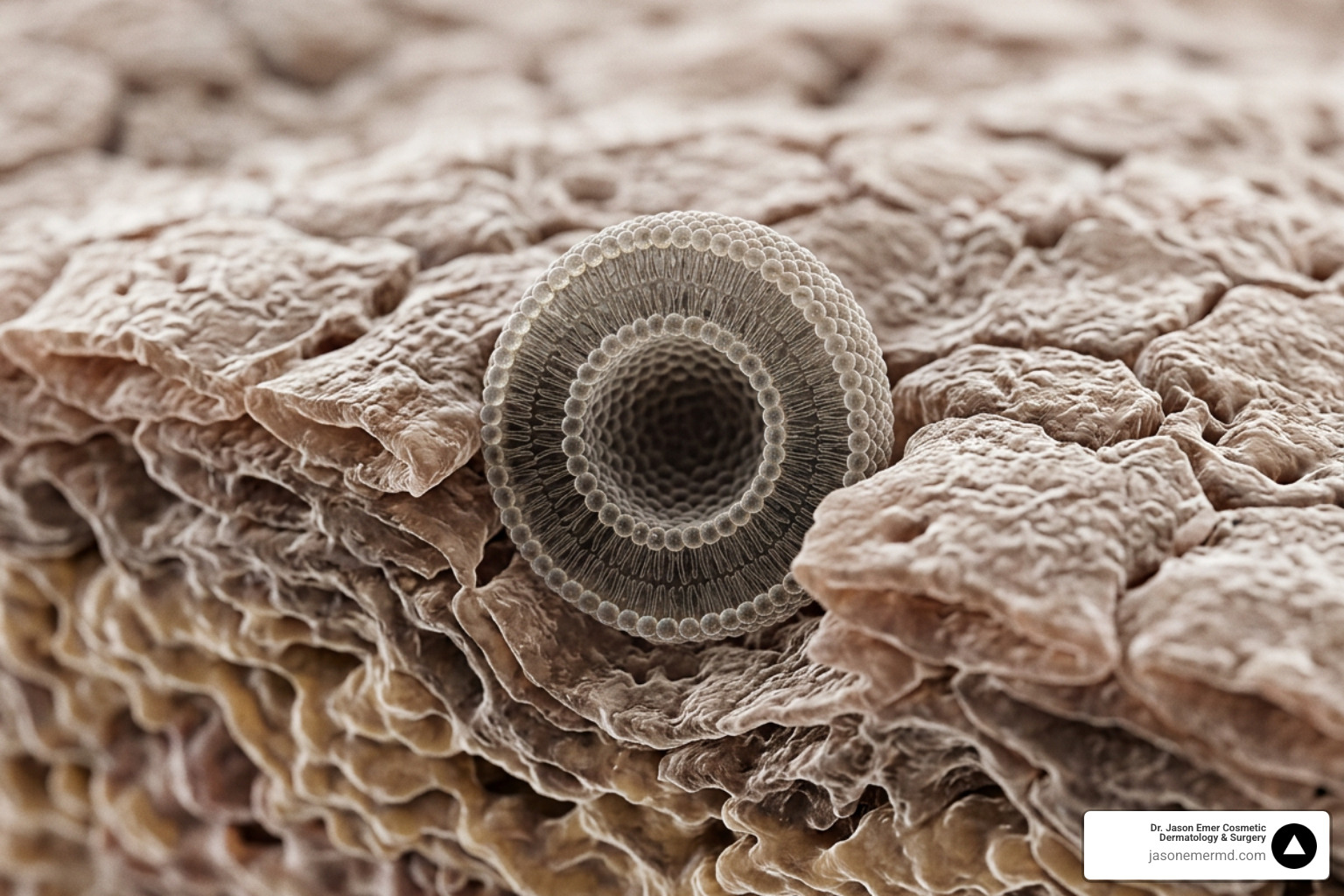
To maximize transdermal absorption and enzymatic stability, modern compounding utilizes advanced delivery vehicles:
- Rigid-Flexible Nanoliposomes: Deformable lipid bilayers modified with polyols encapsulate hydrophilic GHK-Cu, shielding it from enzymatic cleavage and improving delivery through epidermal lipid channels by over 3.2-fold.
- Microneedling and Fractional Delivery: Creating micro-channels temporarily bypasses the stratum corneum, increasing peptide absorption by up to 4-fold.
- Concentration Control: Formulations must avoid excessive free copper ions. Maintaining balanced peptide-to-copper ratios ensures tissue remodeling without triggering localized oxidative reactivity.
In our clinical protocols, applying stabilized nano-encapsulated copper peptides immediately following energy-based treatments helps calm erythema, reduce swelling, and support the wound healing cascade.
Frequently Asked Questions About Copper Peptides
How does GHK-Cu suppress inflammatory cytokines like TNF-α and IL-6?
GHK-Cu inhibits the phosphorylation of NF-κB p65 and p38 MAPK pathways. Blocking the nuclear translocation of p65 prevents it from binding to promoter regions of pro-inflammatory genes, resulting in measurable reductions in TNF-α, IL-6, and iNOS production in activated macrophages and fibroblasts.
What is the difference between copper-free GHK and GHK-Cu in healing?
Copper-free GHK primarily promotes stem cell clonogenicity and cellular replication. Once chelated with copper [GHK-Cu], the complex delivers bioavailable copper necessary to activate lysyl oxidase for collagen/elastin cross-linking and Cu/Zn SOD for antioxidant protection, shifting cells from proliferation to functional tissue differentiation.
Why do natural GHK levels drop with age and affect tissue repair?
GHK is naturally liberated from extracellular matrix proteins (such as SPARC and collagen alpha chains) during ongoing tissue turnover. As cellular metabolism and matrix renewal slow with age, circulating plasma concentrations drop by roughly 60% (from ~200 ng/mL at age 20 to ~80 ng/mL by age 60), contributing to delayed healing, diminished antioxidant defenses, and higher baseline inflammatory signaling.
Conclusion
Understanding the molecular mechanisms of the GHK-Cu anti-inflammatory pathway bridges laboratory research with clinical skin rejuvenation. By modulating NF-κB p65 and p38 MAPK cascades, neutralizing reactive lipid aldehydes, blocking iron-mediated radical formation, and regulating over 4,000 genes, GHK-Cu serves as a versatile modulator of tissue repair.
At Dr. Jason Emer Cosmetic Dermatology & Surgery, we integrate these biological mechanisms into comprehensive treatment plans. Whether preparing the skin for high-definition body sculpting or using post-procedure protocols after ablative laser resurfacing, supporting the skin's endogenous repair systems ensures rapid healing and refined results.
Explore how targeted GHK-Cu protocols can be integrated into your personalized aesthetic and regenerative skin health regimen.
This resource provides general educational information. Treatment recommendations depend on your health, goals, and consultation with a qualified clinician.