(213) 985-0618Contact UsBook a Consultation
EMERMED Book a Consultation

Jason Emer, MD, FAAD, FACS

The scar came from acne. The repair is surgical.

Removing A Hypertrophic Acne Scar With An Advancement Flap: How Dr. Emer Closes The Wound Tension Free

How Dr. Jason Emer removes a raised acne scar and closes the site with an advancement flap, layering dissolvable sutures so the wound heals with no tension and a finer line.

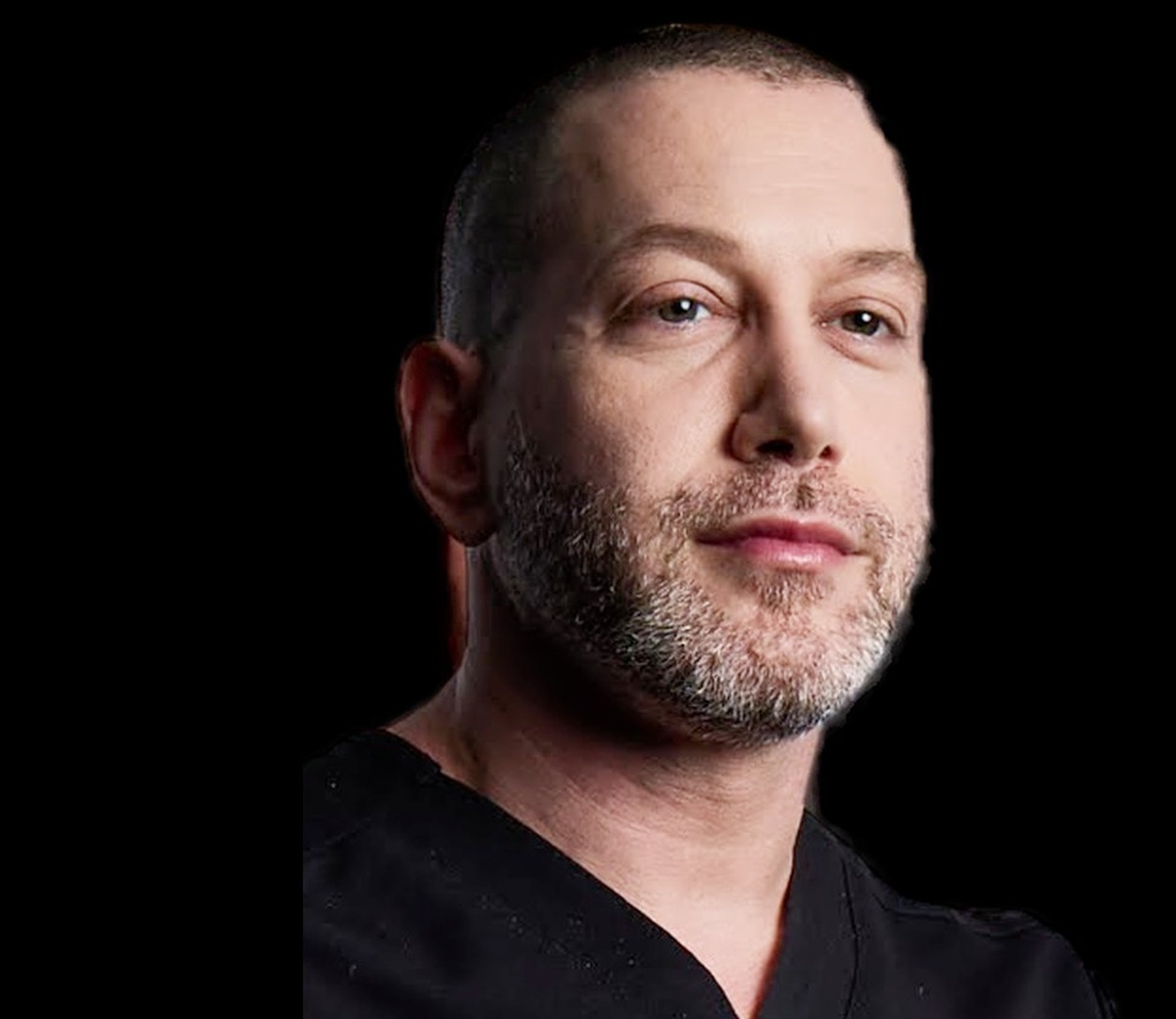
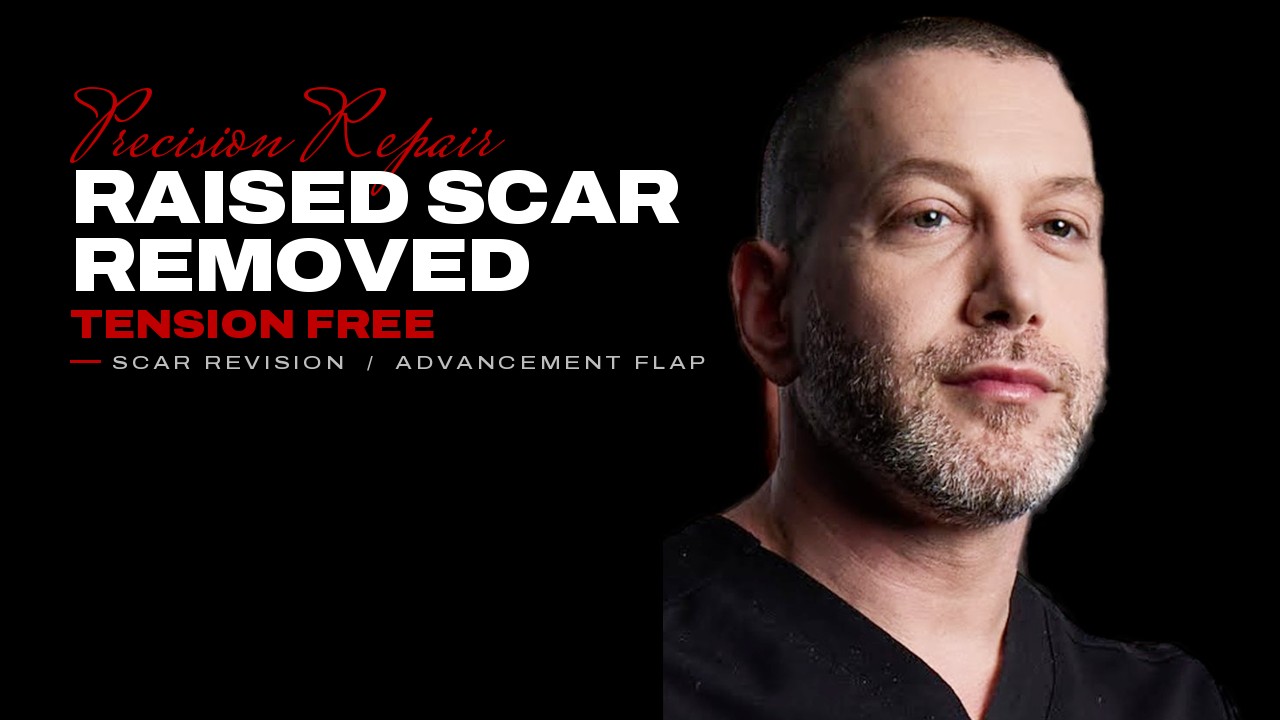
Brand imagery. Not a patient of the practice.
THE DETAIL IS THE DIFFERENCE.See the results ↓

Dr. Jason Emer MD · FAAD · FACS

A hypertrophic acne scar on the face, excised and closed tension free with an advancement flap and layered dissolvable sutures so the wound heals with no tension and a finer line.

Your plan starts with Dr. Emer.

Book online and reserve your time with a card, or call the office. West Hollywood and New York.

From the filmed session

Inside the treatment. With Dr. Emer.

Removing A Hypertrophic Acne Scar With An Advancement Flap | Dr. Jason Emer

Open on YouTube

What Dr. Emer did · RE:SKN

Every procedure. In order.

  1. 01

    Hypertrophic scar excision

    Complete removal of the raised scar tissue from cystic acne, leaving healthy tissue on both sides of the wound, performed under local anesthesia with the patient awake.

    “We numbed him out pretty well. He's just sitting here relaxed. Doesn't feel anything. Maybe just a little bit of pulling and getting rid of the scar first.”

    Dr. Emer, in the film
  2. 02

    Advancement flap

    A flap of surrounding skin raised at the dermal and subdermal depth, using the hair follicles as a guide to preserve the small blood vessels that travel within the dermis, with back cuts to reduce tension.

  3. 03

    Layered tension-free closure

    Deep dissolvable sutures placed in the dermis to hold the tension, followed by fine surface sutures, creating a closure with no tension on the wound edges.

Why patients fly in

What Dr. Emer does differently.

Tension-free closure with deep dermal sutures

The dissolvable sutures are placed deep in the dermis, not just at the surface, and they dissolve slowly over six months so the tissue has time to heal and form a stable scar before the sutures are gone.

“These sutures that we're placing in it, it takes them about six months to completely dissolve and that's more than enough time for everything to be stably healed.”

Flap depth guided by anatomy, not guesswork

The advancement flap is raised at the exact depth where the hair follicles sit, because that is where the small blood vessels travel. Too deep and the tissue will not survive; too shallow and the blood supply is compromised.

“You can see the hair follicles is your guides because they live in the dermal subdermal area. So that's where you know your blood flow is.”

Back cuts to reduce tension and allow the flap to advance

Strategic back cuts in the surrounding tissue give the skin expandability so the flap can advance over the wound without pulling on the edges.

“Create some space also call it back cuts. These are gives a little bit of an expandability for the skin. The skin is a very structurable structure. if you know how to manipulate it the right way without damaging vital structures.”

The same surgical principles he uses in facelift surgery

The technique follows the same concept Dr. Emer uses in deep plane facelifts and platysma advancements: fine-scale movements, knowledge of anatomy, and tension-free closure.

“Same thing we do with the facelift guys, you know, with the, you know, the mini facelift or full plane facelift. If you know your anatomy very well and you have the fine touch or the fine scale movements.”

THE THINKING BEHIND THE TREATMENT

The story.
The decisions.
The details.

Follow Dr. Emer’s approach through the stages described in this case.

Back to the video ↗
  1. 01Before

    The starting point

    A raised, thickened scar on the face, removed and closed tension free in one session.

    The patient in this video had a hypertrophic scar on his face from cystic acne. There was no injury or trauma. The acne itself became the scar, raised and thickened over time.

    “He has some hypertrophy scar tissue on his face. We're trying to get rid of it for him. He got it from cystic acne. There was no trauma or injury or anything like that. It's just the acne itself became a hypertrophied scar.”DR. JASON EMER · FROM THE VIDEO
  2. 02The plan

    What Dr. Emer decided to do

    Excision, flap advancement, layered closure. The patient is awake and numbed throughout.

  3. 03The session

    In the room, in order

    Dr. Emer numbed the area completely so the patient could sit awake and relaxed during the procedure. He removed the scar tissue, raised a flap of surrounding skin to advance it over the wound, and closed the site in layers with dissolvable sutures placed deep in the dermis so there would be no tension on the edges as it healed.

    • Remove the scar tissue
    • Raise an advancement flap
    • Close in layers with no tension
    • Heal over six weeks
  4. 04What comes next

    Recovery and what to expect

    Visible inflammation and bruising last about one week. The incision is strong enough to return to daily activity after about six weeks, once the deeper layers have healed.

    The goal is not to erase the scar entirely. It is to replace a thick, raised scar with a thinner, softer line that sits flat and may become nearly invisible over time.

Explore the full treatment details +

Excision and advancement flap, closed in layers / Patient story

The scar came from cystic acne. Not trauma.

A raised, thickened scar on the face, removed and closed tension free in one session.

The patient in this video had a hypertrophic scar on his face from cystic acne. There was no injury or trauma. The acne itself became the scar, raised and thickened over time.

Dr. Emer numbed the area completely so the patient could sit awake and relaxed during the procedure. He removed the scar tissue, raised a flap of surrounding skin to advance it over the wound, and closed the site in layers with dissolvable sutures placed deep in the dermis so there would be no tension on the edges as it healed.

Watch the full procedure on YouTube: https://www.youtube.com/watch?v=K55SUjYdGe8

The scar came from cystic acne, not trauma

The patient in this video has a hypertrophic scar on his face, raised and thickened from cystic acne. There was no injury or trauma. The acne itself became the scar.

Dr. Emer numbed the area completely so the patient could sit awake and relaxed during the procedure. The goal was to remove the scar tissue and close the wound in a way that would not create tension on the edges, which is what causes a scar to thicken or widen as it heals.

Excision, then an advancement flap

Once the scar tissue was removed, Dr. Emer raised a flap of surrounding skin to advance it over the wound. The depth and thickness of that flap matter: too deep and the tissue will not survive, too shallow and the blood supply is compromised.

He used the hair follicles as a guide, because they sit in the dermal and subdermal layers where the small blood vessels travel. That is where the flap needs to be cut to stay alive and heal cleanly.

How the repair is built

Four steps. One session.

Excision, flap advancement, layered closure. The patient is awake and numbed throughout.

  1. 01

    Remove the scar tissue

    The hypertrophic scar is excised completely, leaving healthy tissue on both sides of the wound.

  2. 02

    Raise an advancement flap

    A flap of surrounding skin is raised at the correct depth to preserve blood flow, using the hair follicles as a guide to stay in the dermal and subdermal layers where the small blood vessels travel.

  3. 03

    Close in layers with no tension

    Dissolvable sutures are placed deep in the dermis first, then the surface is closed with finer sutures. The deep sutures hold the tension so the edges heal flat.

  4. 04

    Heal over six weeks

    Visible inflammation and bruising last about one week. The incision is strong enough to return to daily activity after about six weeks.

The treatment, explained

What is hypertrophic acne scar excision?

Also called advancement flap, scar revision surgery, acne scar removal, surgical scar excision, tension-free closure, layered scar closure.

What it is
Hypertrophic acne scar excision with advancement flap is a surgical scar revision procedure that removes a raised, thickened scar from cystic acne and closes the wound with a flap of surrounding skin, creating a finer, flatter line. The procedure is performed under local anesthesia with the patient awake.
How it works
The scar tissue is excised completely. A flap of surrounding skin is raised at the dermal and subdermal depth, using the hair follicles as a guide to preserve blood flow. The flap is advanced over the wound and closed in layers with dissolvable sutures placed deep in the dermis to hold the tension, followed by fine surface sutures. The deep sutures dissolve slowly over six months, giving the tissue time to heal and form a stable scar.
Who it is for
This procedure is for patients with hypertrophic scars from cystic acne that are raised, thick and will not respond to lasers, fillers, microneedling or subcision alone. Candidacy is determined at consultation based on the scar's size, location, depth and the patient's skin type and healing history.
Recovery
Visible inflammation and bruising last about one week. The incision is strong enough to return to daily activity after about six weeks, once the deeper layers have healed. Recovery and activity restrictions are set at consultation.
When results show
The raised scar is replaced with a thinner, flatter line that may become nearly invisible over time. There will always be a scar, but it will be finer and softer. Final results are seen after the deep sutures have dissolved and the tissue has fully healed, typically six months to one year.

Ready when you are.

Pick your consultation, reserve it online with a card, and Dr. Emer's team confirms the time. Or call the office.

Signature procedures

Only at Emer.

Peptides / biologic optimization

RECODEX™

Peptide and biologic protocols for recovery, body composition and longevity, with epigenetic testing. RECODEX™ peptides are available to purchase through the practice after consultation.

From Dr. Emer's Instagram

The work, as he shows it.

@jasonemermd @recodexsystem

Why Dr. Emer

Scars are not all the same. Neither is the repair.

Two decades of outcomes in dermatologic and cosmetic surgery, and the precision to know when a scar needs excision, not just resurfacing.

Dr. Emer built his reputation on results that require both dermatologic knowledge and surgical skill. He treats acne scars with lasers, microneedling, fillers and subcision when those tools fit the case, and he performs surgical excision when the scar is raised, thick or hypertrophic and will not respond to surface treatments alone.

Patients come to him when the scar has been there for years, when other treatments have not worked, and when the repair has to be precise enough to leave a finer line instead of a wider one.

  • MD, FAAD, FACS: board-certified dermatologist and cosmetic surgeon
  • Former Chief Resident in dermatology, Mount Sinai, New York
  • More than 10,000 patient encounters
  • Male facial sculpting longer than anyone in the United States
  • The highest filler volume on the West Coast
  • West Hollywood and New York
About Dr. Emer Book a Consultation
EMER METHOD™×RECODEX™

The dermis is the strength layer

The epidermis is stretchable but not strong. The dermis is where the wound has to heal, so that is where the sutures are placed.

Deep sutures dissolve slowly

The dissolvable sutures placed in the dermis take about six months to dissolve, giving the tissue time to heal and form a stable scar before the sutures are gone.

The flap has to survive

The depth and thickness of the advancement flap matter. Too deep and the tissue will not survive. Too shallow and the blood supply is compromised. The hair follicles are the guide, because they sit where the small blood vessels travel.

Asked plainly, answered plainly

What patients ask before they book.

Will the scar be completely gone?+

No. The goal is to replace a thick, raised scar with a thinner, flatter line that may become nearly invisible over time. There will always be a scar, but it will be finer and softer.

Is the patient awake during the procedure?+

Yes. The area is numbed completely with local anesthesia. The patient feels no pain, maybe just a little pulling.

How long does healing take?+

Visible inflammation and bruising last about one week. The incision is strong enough to return to daily activity after about six weeks, once the deeper layers have healed.

Why not just use a laser or filler?+

Hypertrophic scars are raised and thickened. Lasers and fillers work for some acne scars, but a raised scar often needs surgical excision to be removed and closed properly.

What does tension-free closure mean?+

Tension-free closure means the wound is closed with no pulling on the edges. The deep sutures placed in the dermis hold the tension so the surface edges can heal flat without thickening or widening.

How long do the sutures stay in?+

The deep sutures are dissolvable and take about six months to dissolve completely. The surface sutures are removed or dissolve sooner, depending on the type used. The deep sutures give the tissue time to heal and form a stable scar before they are gone.

Can this procedure be done on other scars besides acne scars?+

Yes. The same technique can be used for hypertrophic scars from trauma, surgery or other causes, as long as the scar is raised and thick enough to benefit from excision and advancement flap closure. Candidacy is determined at consultation.

What is the difference between this and a simple excision?+

A simple excision removes the scar and closes the wound edge to edge, which can create tension and a wider scar. An advancement flap raises surrounding skin and advances it over the wound so the closure is tension free, resulting in a finer line.

Ask Dr. Emer in person.

Every question above is answered properly in a consultation. Book online, or call the office.

Find out what your scar can become.

A consultation with Dr. Emer covers your scar, your skin, and whether surgical revision fits your case.

West Hollywood and New York City

Dr. Jason Emer West Hollywood · New York(213) 985-0618Book a Consultation