

When the first surgery does not deliver
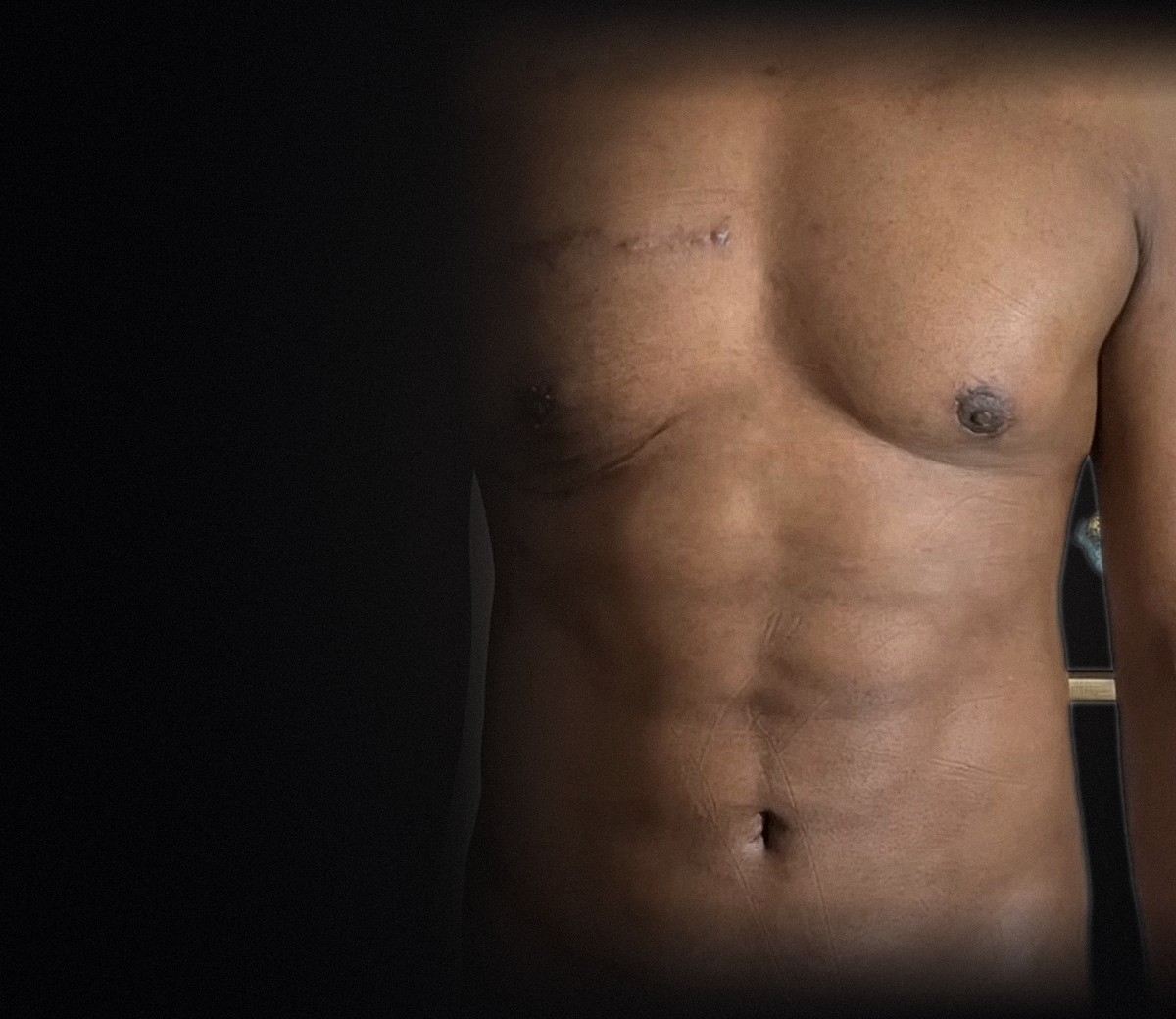
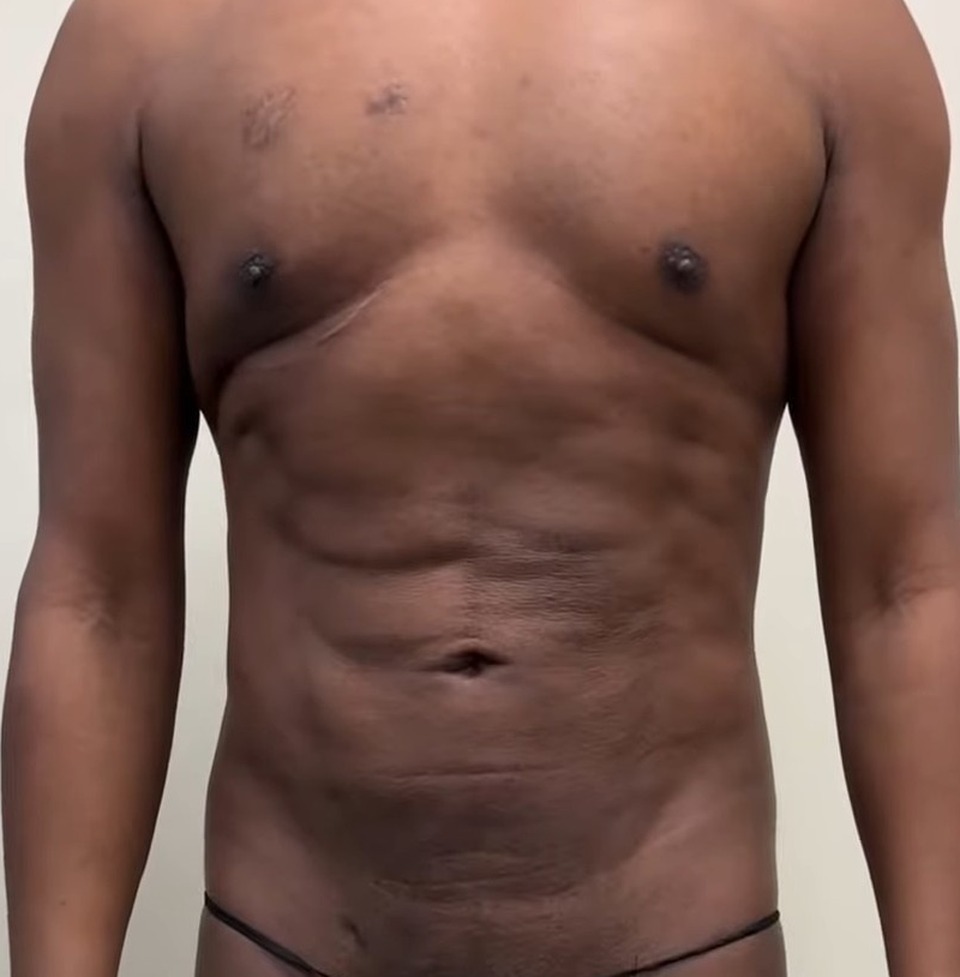
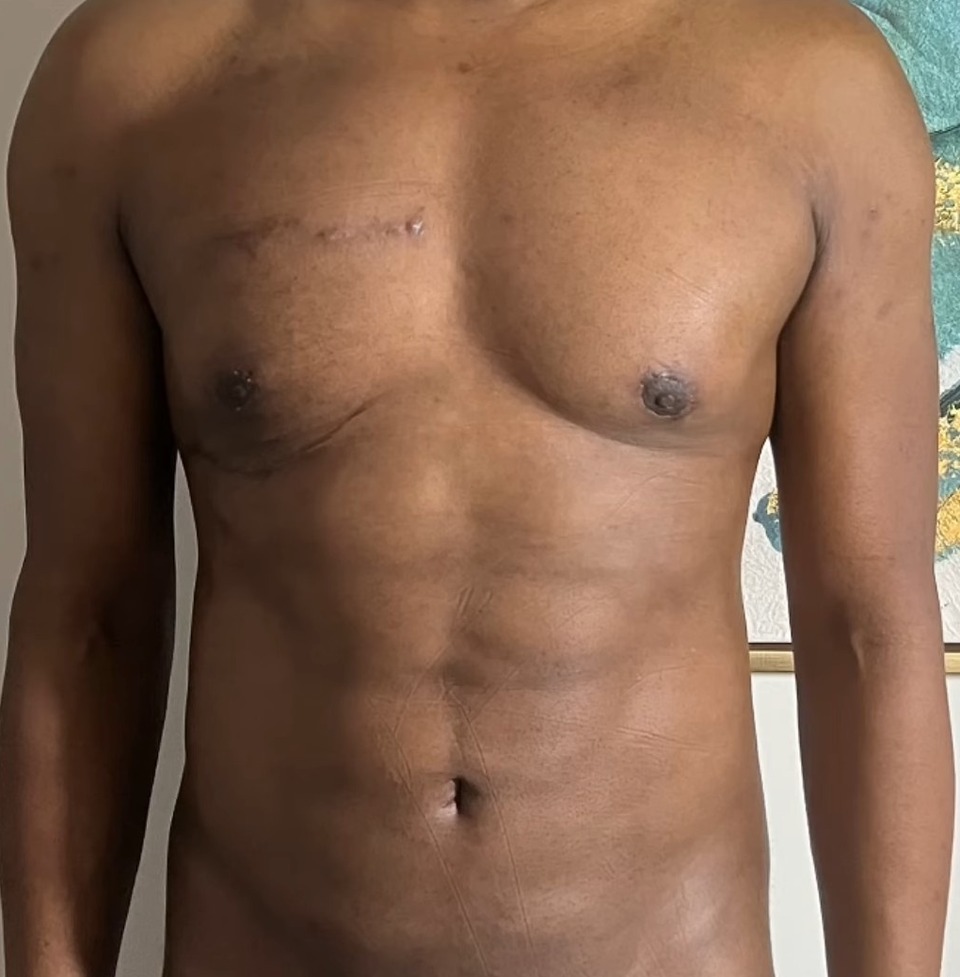
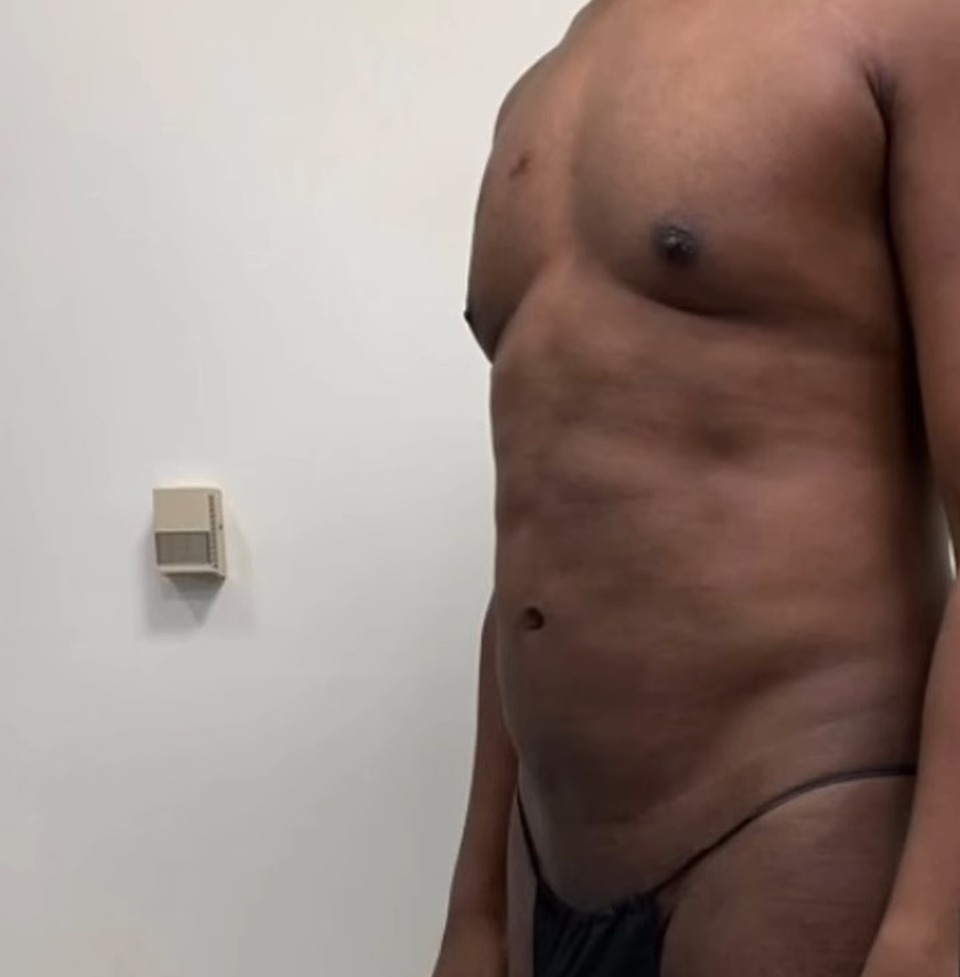
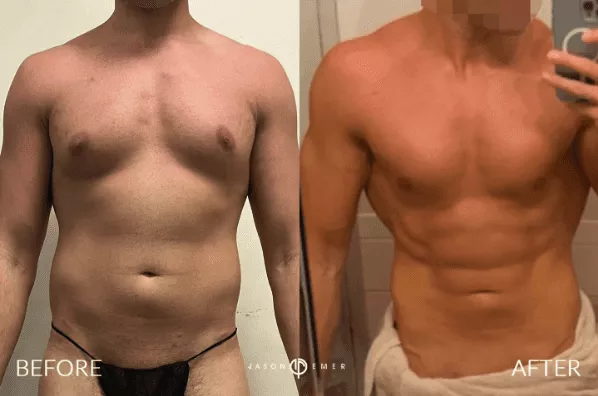
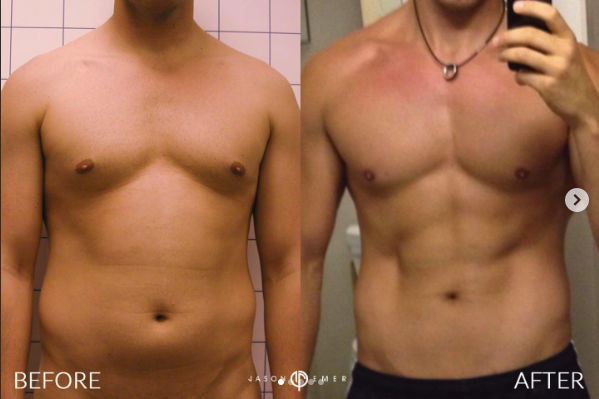
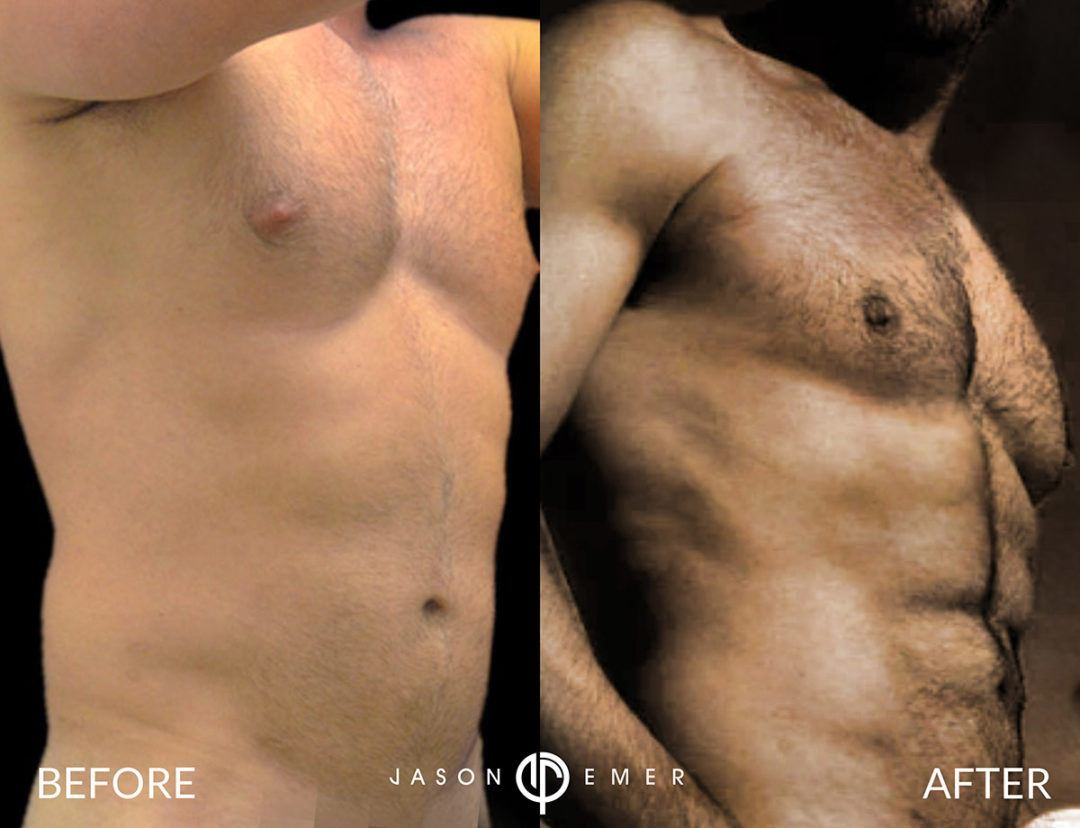
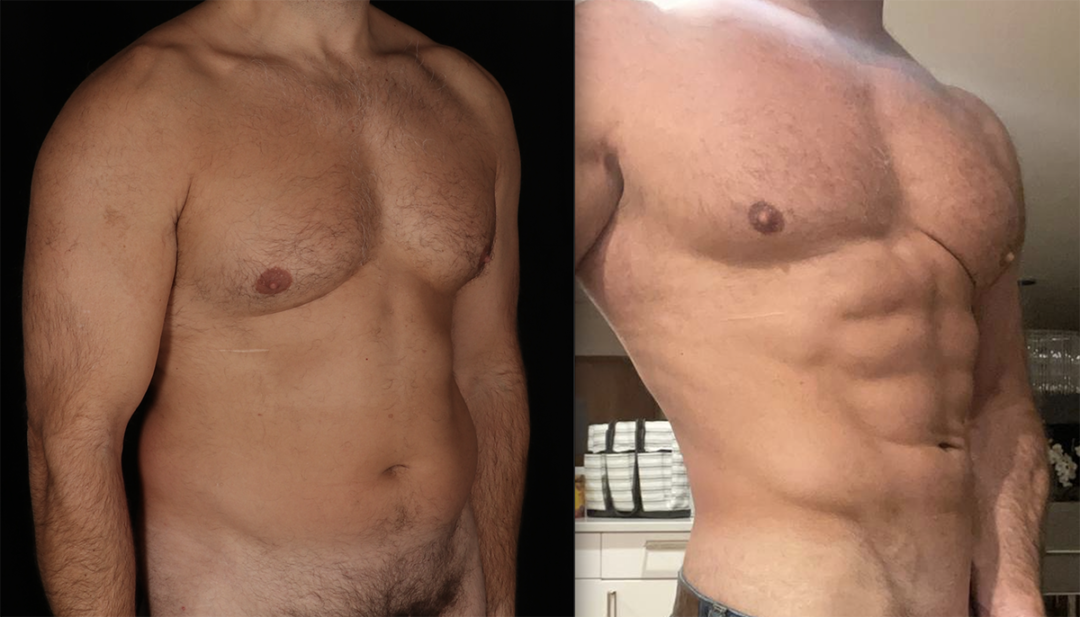
This patient already had liposuction. What he did not have was the athletic, defined, natural-looking result he was told to expect. Scar tissue. A sagging chest. Indentations. Abs shaped in the wrong place entirely.
That is what Dr. Emer sees when patients travel in for revision work. Previous surgery leaves irregularities and thickened tissue that make a second procedure significantly harder than the first. As he says in the video: very few doctors are able to do this type of transformation, and it sometimes cannot even be improved.
What revision body sculpting actually requires
This was not one technique. Dr. Emer combined high definition liposuction with VASER ultrasound to break apart scar tissue, internal plasma heating to tighten loose skin, fat grafting to the chest and buttock for lift and volume, and a modified nipple lift with gland removal performed by a plastic surgeon to address the sagging and puffiness in the chest.
The VASER portion is critical in revision cases. Ultrasound energy breaks through the fibrous scar tissue left by the prior surgery and allows Dr. Emer to lift and reposition the skin. He uses a super wet technique, flooding the area with tumescent fluid to reduce swelling and bruising while creating the ability to work through the scarring.
Fat harvesting in a revision case is harder. This patient had thicker, more fibrous fat because of the scar tissue, and there was not much of it. Dr. Emer strained the fat, irrigated it with antibiotic solution, and loaded it into syringes. What he harvested was equivalent to about 60 to 80 vials of Sculptra, injected into the upper buttock for lift and into the chest to restore volume before the nipple lift.
Sculpting abs that were shaped wrong the first time
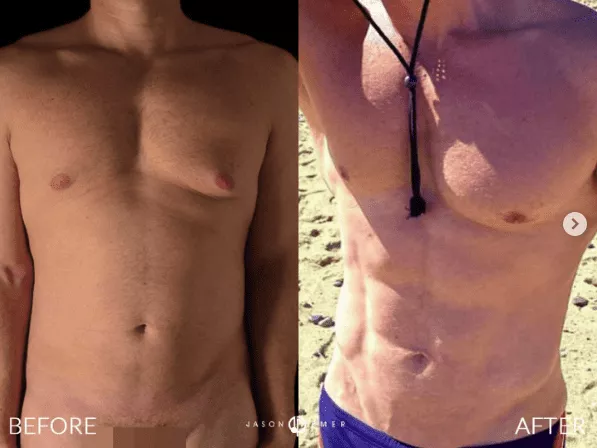
The abs in the before photo are not defined properly and not in the right place. Dr. Emer had to work through deep and superficial scar tissue to create the exact symmetrical look this patient naturally has, carving the six pack into the correct position.
Plasma was used more aggressively on the lower abdomen where there was an indentation and looser skin. Patients with darker skin have thicker skin, and what feels like fat may actually be thickened dermis and scar tissue. When no fat comes out during liposuction, the answer is tightening the skin from underneath with plasma, shrink wrapping it after surgery.
The chest required plastic surgery
The chest had significant sagging and puffiness. Dr. Emer fat grafted the chest first to create lift and volume. Then a plastic surgeon performed a modified nipple lift and removed the gland tissue to eliminate the puffy look and create more border and definition.
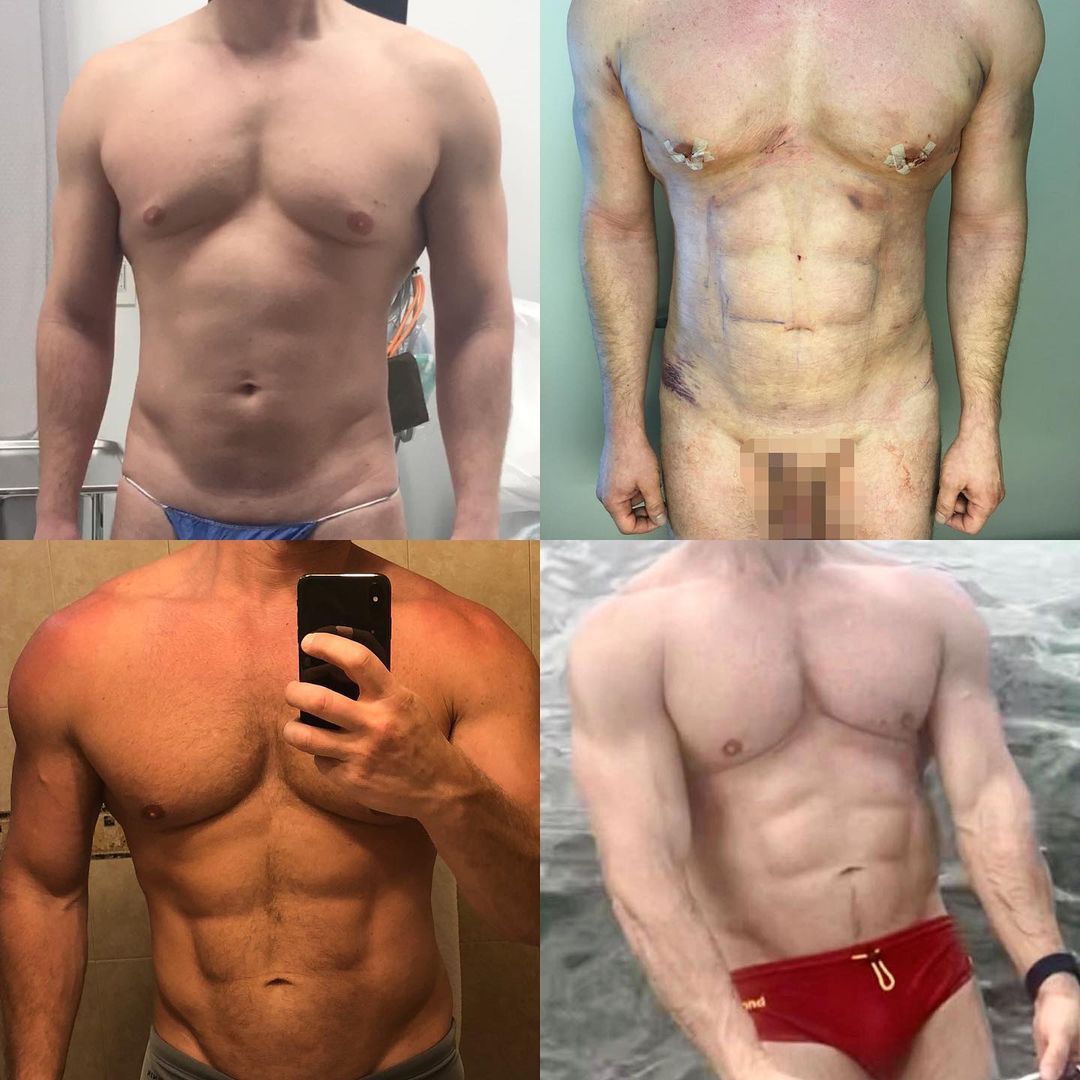
The nipple lift uses a semicircular incision toward the lower portion of the areola. A one centimeter flap of subcutaneous fat is left under the areola and under the skin to prevent contraction as it heals. Scars on the upper chest from the previous surgery were also lasered and revised.
Why revision is harder than the first surgery
Scar tissue changes everything. It makes the tissue fibrous, limits how much fat can be harvested, and demands more aggressive techniques to release the skin and restore contour. Dr. Emer is direct in the video: with more doctors performing these procedures without experience or technical skill, it is really important you go to an expert the first time to get it right.
Revision cases sometimes cannot even be improved. This patient achieved a more sculpted look, evened out contours, and a lifted chest. That result required combining multiple advanced techniques in a single session and working within the real limitations of what the previous surgery left behind.
Who this fits
Revision body sculpting is for patients who already had liposuction or body contouring and are left with irregularities, scar tissue, sagging, or results that do not match what they were told to expect. Candidacy depends on the extent of the previous work, the quality of the remaining tissue, and whether the goals are realistic given what is there to work with. That is decided in consultation.