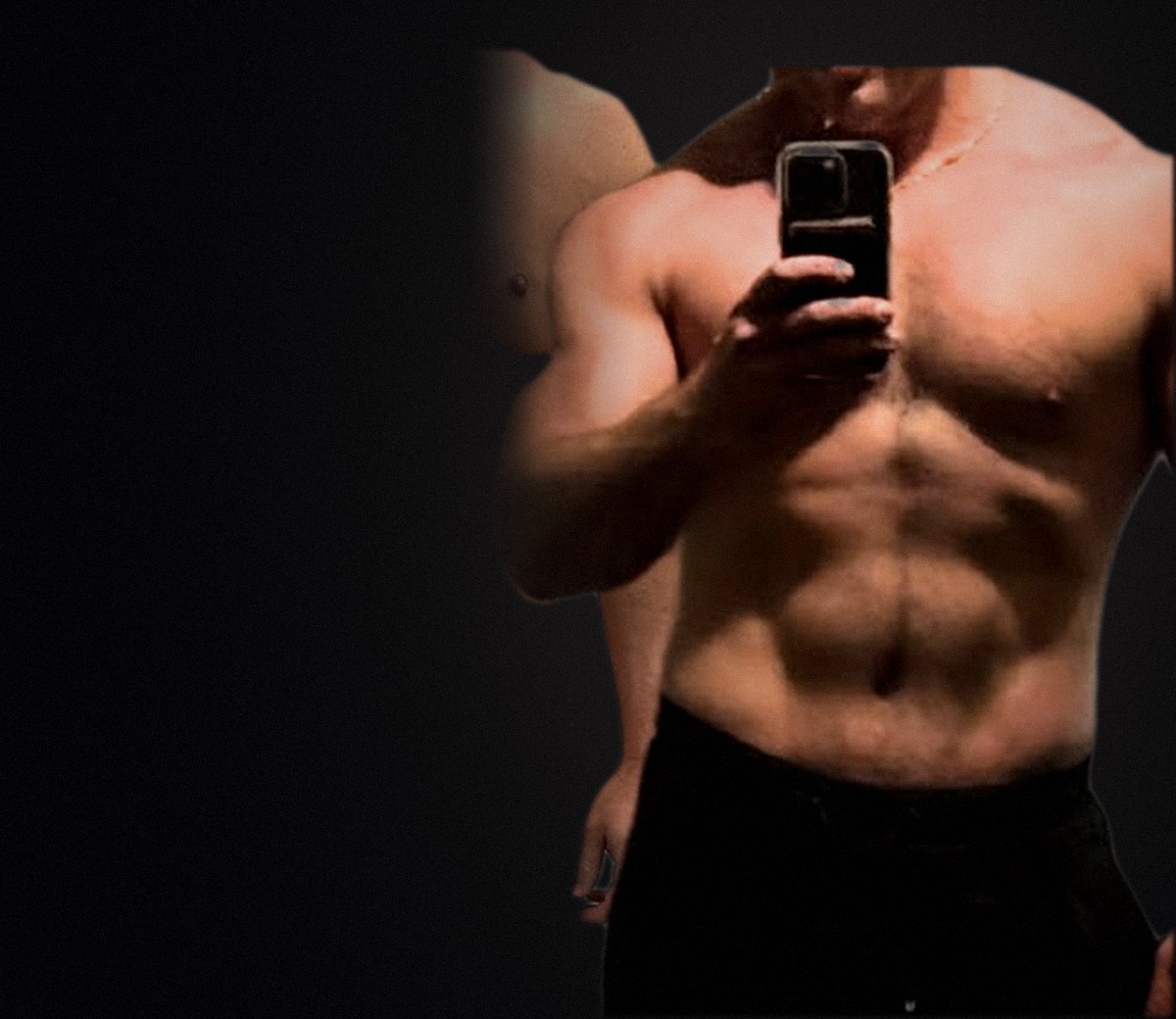
The hardest kind of case to sculpt
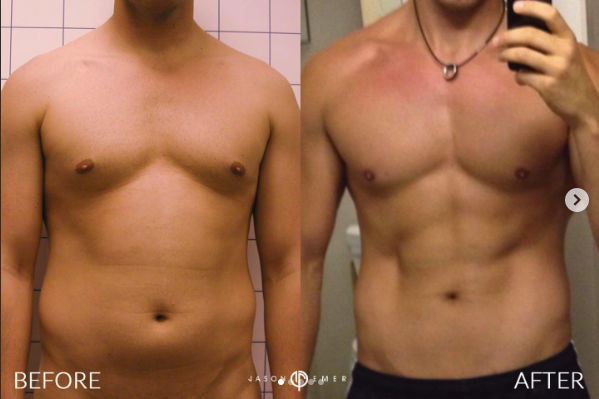
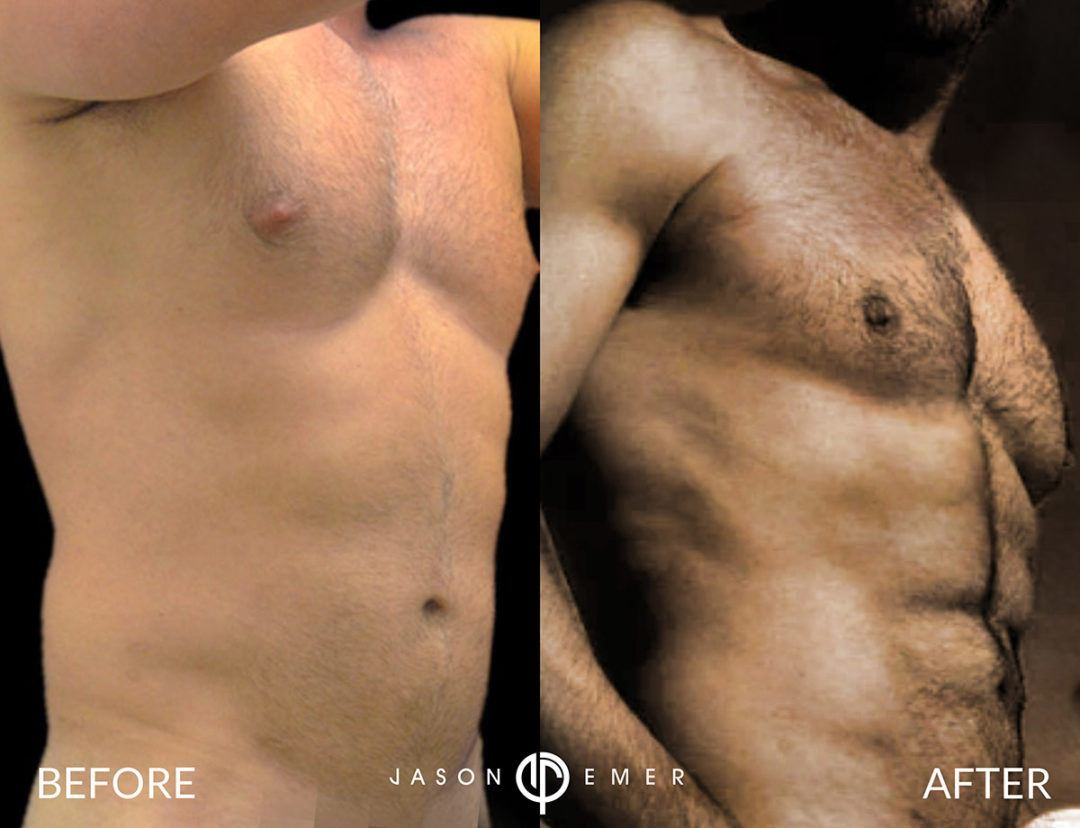
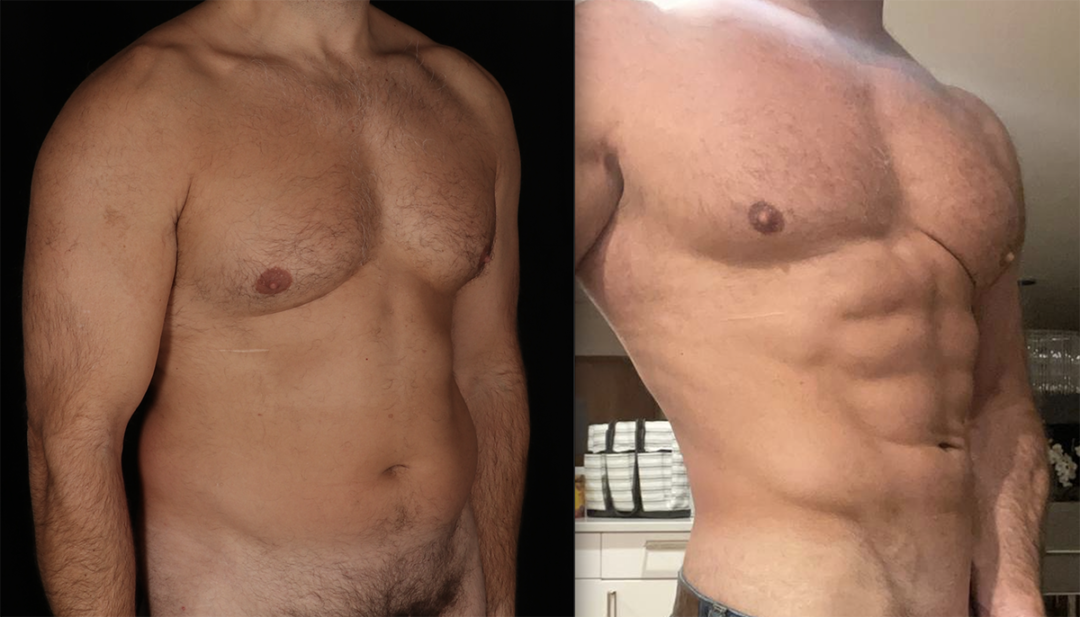
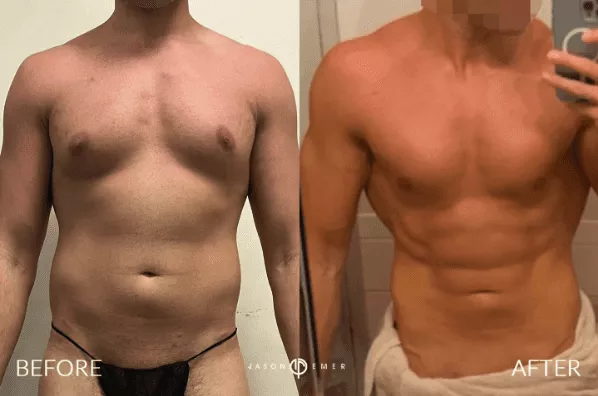
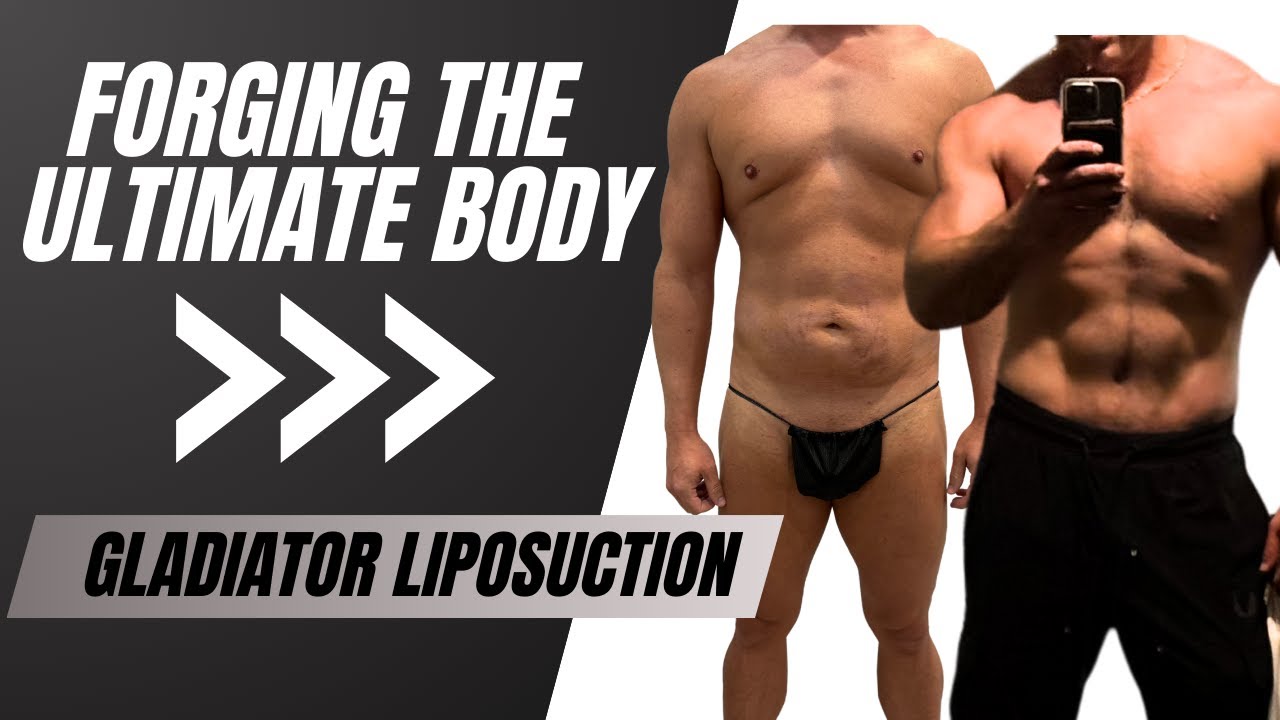
The patient in this video lost over 70 pounds. He is athletic, disciplined, and committed to training. But loose skin from the weight loss was hiding the muscle underneath, and traditional liposuction alone would not have been enough to reveal the contour he worked for.
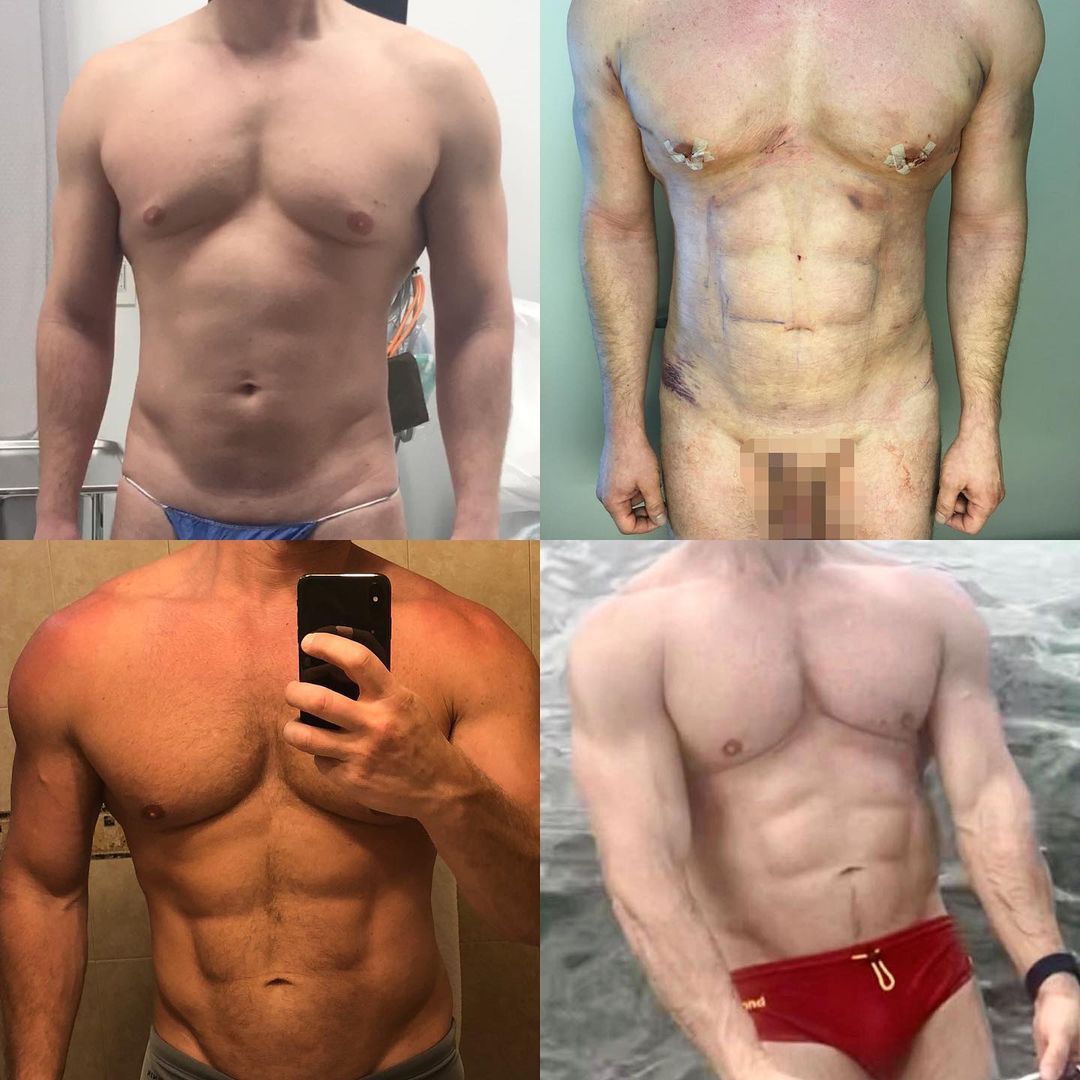
Dr. Emer calls this a major weight loss case, and it required a complete plan: 360 liposculpture to remove what fat remained, skin removal where the tissue was too loose to contract, pectoral implants to build a foundation where there was not enough fat to graft, and internal tightening to shrink wrap everything that stayed.
What the Gladiator plan actually includes
This was not one procedure. It was a coordinated sequence built around what the patient had to work with and what he wanted to achieve.
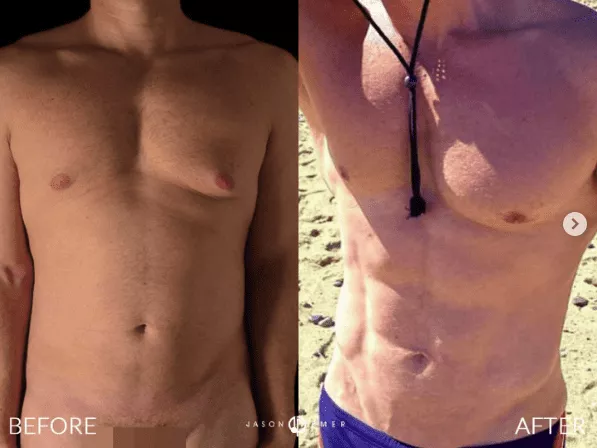
Dr. Emer started with 360 liposculpture: vaser ultrasound to steam heat the fat and make it easier to remove, then liposuction to debulk the flanks, love handles, chest and torso. The fat that came out was processed and used for grafting to the buttock and shoulders.
Because the patient did not have much fat to harvest, Dr. Emer also injected Sculptra, exosomes and PRP to the buttock to help build collagen and support the fat graft. He carved vertical and central lines into the abdomen so that as the patient trains, the definition will show through.
Renuvion internal heating was applied to the upper back, sides and areas not being cut to contract the tissue from the inside. Then came the skin removal: an extended tummy tuck from hipbone to hipbone and around the waistline, plus tightening of the abdominal muscles that had stretched during the weight gain.
Pectoral implants were placed under the muscle through a small incision to create a foundation for the chest. Dr. Emer also removed glandular tissue and tightened the nipple areola complex to finish the shape.
Why implants instead of fat alone
When a patient does not have enough fat to harvest, building the chest with fat grafting alone is not an option. The implant creates a permanent foundation under the muscle, and any fat that is available can be layered on top.
The implants Dr. Emer uses are silicone, designed for male chest enhancement, and placed in a tight pocket under the pectoralis major. The incision is small, and the implant is folded to fit through, then unfolded inside.
Recovery and what comes next
This patient will heal in stages. The tummy tuck incision is closed in multiple layers and placed low enough to stay hidden. The chest will settle over weeks as swelling resolves and the implants integrate.
The result is designed to work with continued training: as he lifts, the carved lines will deepen, the implants will anchor the chest, and the skin will continue tightening from the internal heating.
This is the kind of case that requires both surgical precision and an understanding of how the body rebuilds after major weight loss. Dr. Emer built the plan around what the patient had, what he lost, and what he wanted to become.