

What the treatment actually does
Silicone microdroplet is a permanent filler placed intradermally, meaning within the layers of the skin itself, to raise depressed scars from underneath. The material integrates with the surrounding tissue and fills the scar crater so the surface reads smoother.
Dr. Emer uses this technique for deep ice pick and rolling scars that respond poorly to resurfacing alone. It is not a first-line treatment: it is reserved for cases where the scarring is severe enough to justify a permanent material, and where the physician has the skill to place it without creating lumps or long-term complications.
Why this patient needed it
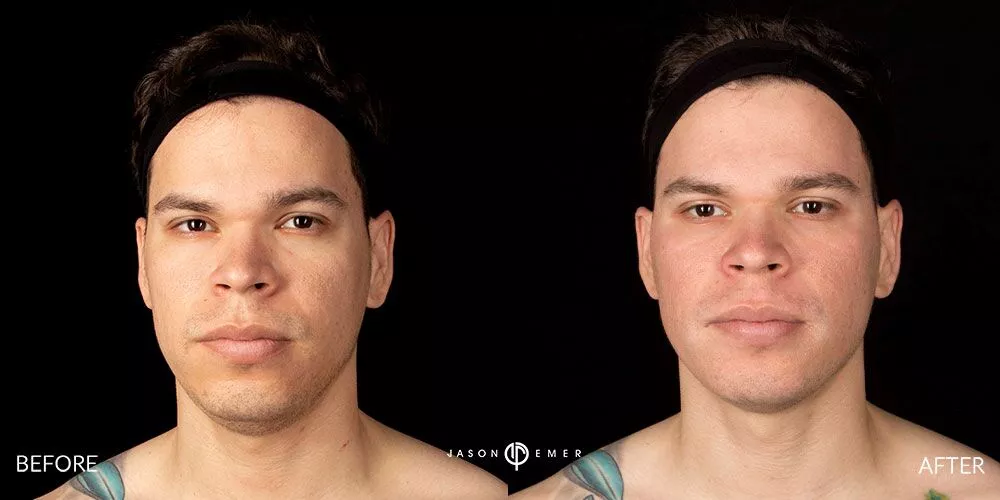
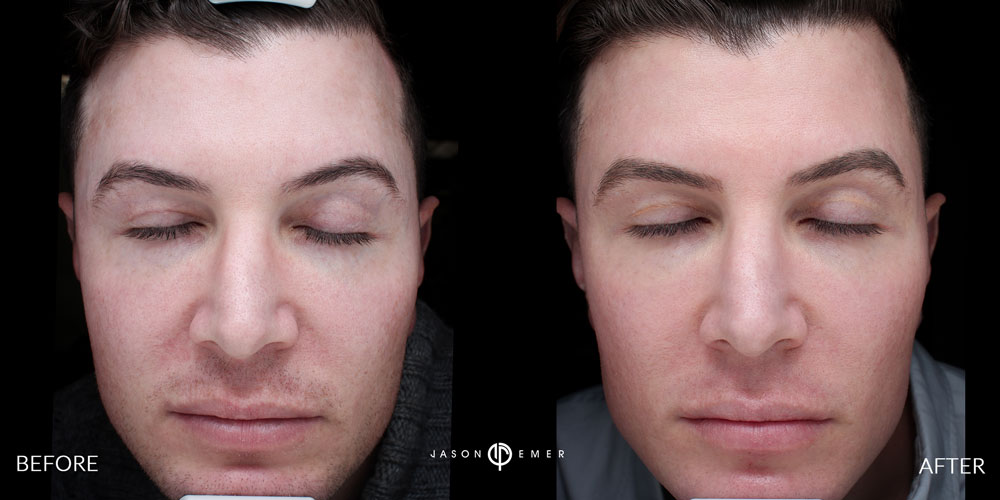
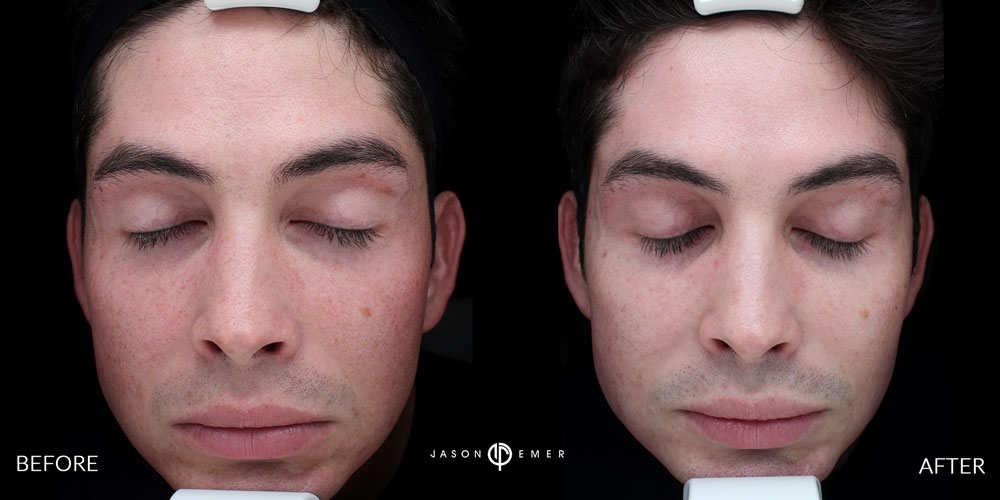
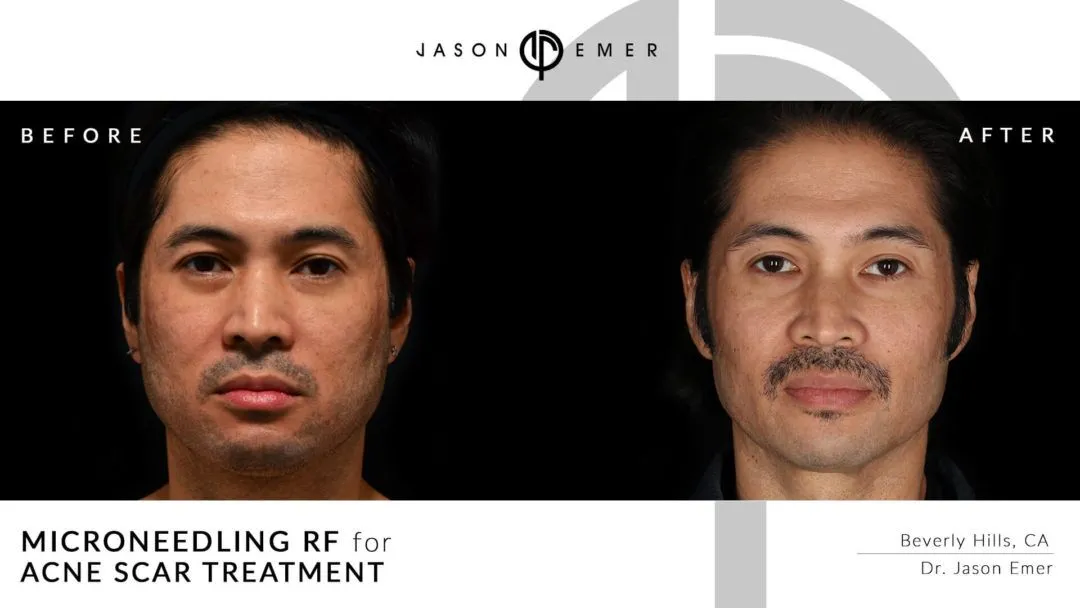
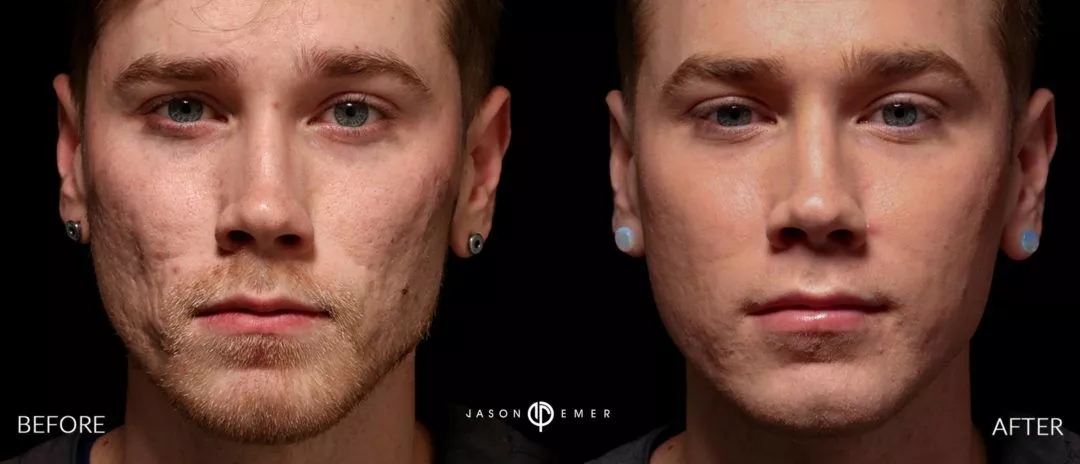
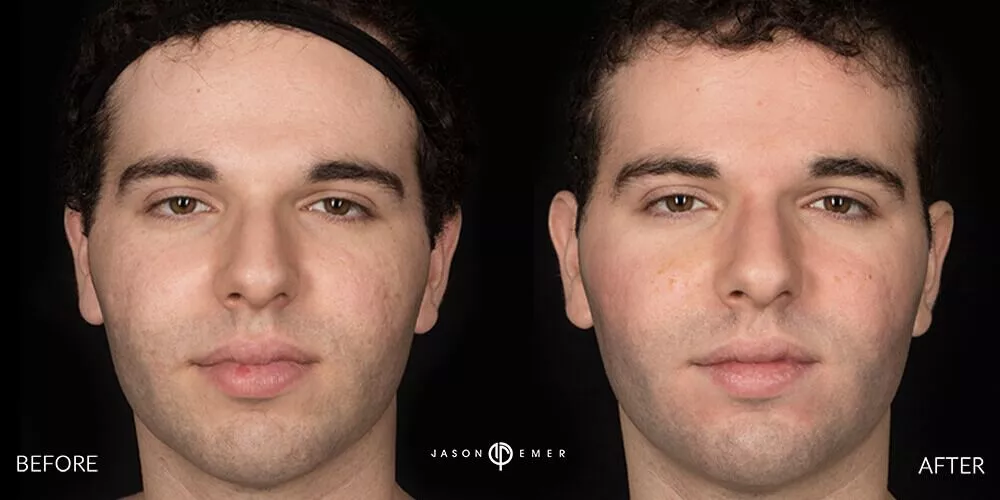
The patient in this video had already completed earlier treatments that improved the overall texture and reduced visible scarring. What remained were deeper craters, particularly in the temples and cheeks, that needed to be filled rather than resurfaced.
Dr. Emer is performing a touch-up session in the video, adding small amounts of silicone microdroplet to areas that still show depression. The before and after comparison during the session shows how much the surface has already smoothed, and this visit is about refining what is left.
How the plan is staged
Most patients require two larger treatments spaced about two months apart. This patient has responded so well that Dr. Emer is considering lighter maintenance treatments instead of a second full session, possibly combining light fractional resurfacing with TCA cross for any remaining shallow spots.
The silicone takes four to six weeks to settle and integrate, at which point the physician can assess what else is needed. The goal is not to overfill: it is to raise the scar just enough that it blends with the surrounding skin.
Who this fits
This is not a treatment for mild texture or shallow scarring. It is for patients with deep, depressed scars that have not responded adequately to resurfacing, peels or other modalities, and who understand that the material is permanent.
Candidacy depends on scar type, skin thickness, and whether the risk of a permanent filler is justified by the severity of the scarring. That is a decision made in consultation, not from a video.