Private consultation

DR JASON EMER

LIPO
REVISION

ADVANCED EXPERTISE IN COMPLEX REVISION

Dr Jason Emer’s revision planning starts with the previous procedure, the tissue and the contour you want to improve

When a previous body procedure leaves concerns about unevenness, firmness or proportion, another round of fat removal is not automatically the answer. Revision begins by understanding what was done, what has healed and what is creating the contour now.

REVISION BODY CONTOURING / RE:WRITE

YOUR HISTORY
CHANGES
THE NEXT STEP

After liposuction, an indentation, an uneven contour and loose skin can look like one problem. They may require very different corrections.

Revision starts by reading what the earlier treatment left behind: remaining fat, scar tissue, skin and support. Dr Emer’s approach considers those layers together. Sometimes contouring belongs in the plan; sometimes lifting or repair changes the story more than further fat removal.

See the story in practice

THE REASON BEHIND THE PLAN

WHAT NEEDS
TO BE REVISITED?

These concerns guide a revision discussion. They are not a diagnosis from a photograph.

Assess the contour and tissue

An area that looks full may differ from one that is tethered or over-reduced. Prior operative reports and examination help separate remaining fat from scar-related irregularity.

The repair may involve more than another liposuction pass.

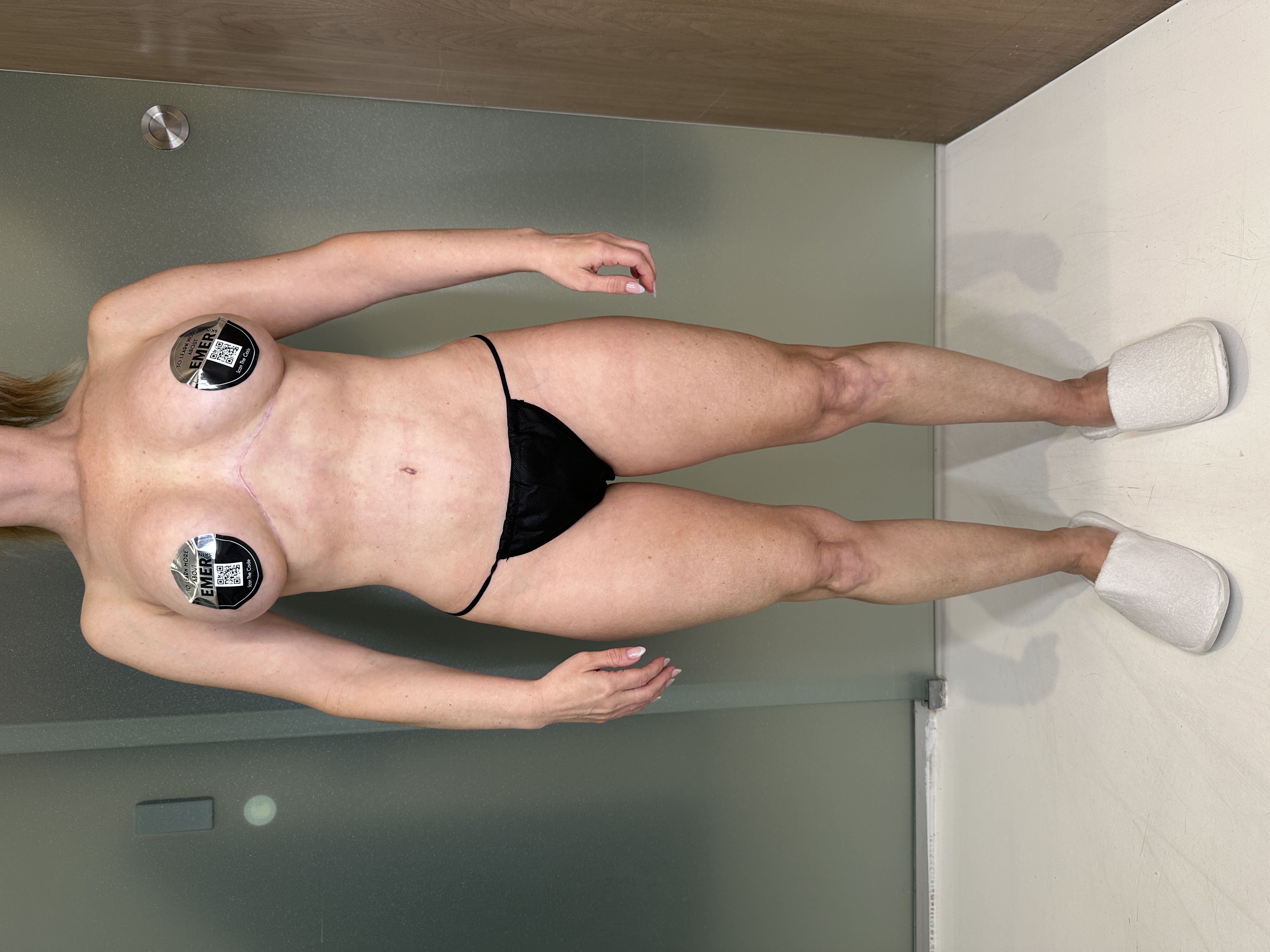
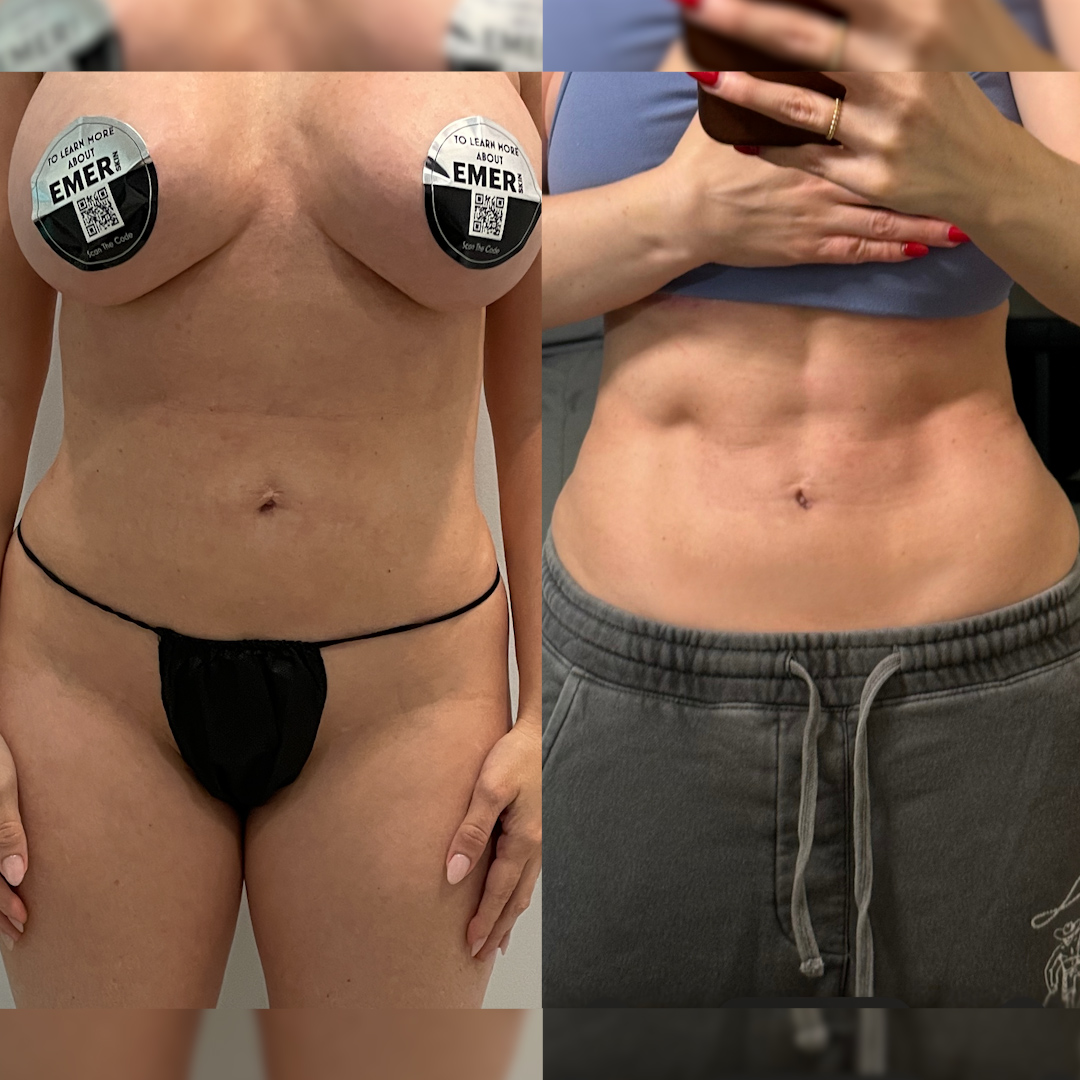
Follow Jess’s revision
Give the lift its own role

Excess skin and contour are separate questions. In Jess’s case, Dr Emer specifically identified the reverse tummy tuck and CLEAVÉE lift as central to the result.

Energy treatment and surgical lifting should not be described as interchangeable.

Explore primary body planning

Identify the material first

A contour concern involving silicone, PMMA or another permanent injected material needs a different workup from ordinary post-liposuction irregularity.

The history and location of the material change the correction options.

Explore permanent filler concerns

REVISION LIPOSUCTION, EXPLAINED

ASSESS FIRST
THEN REFINE

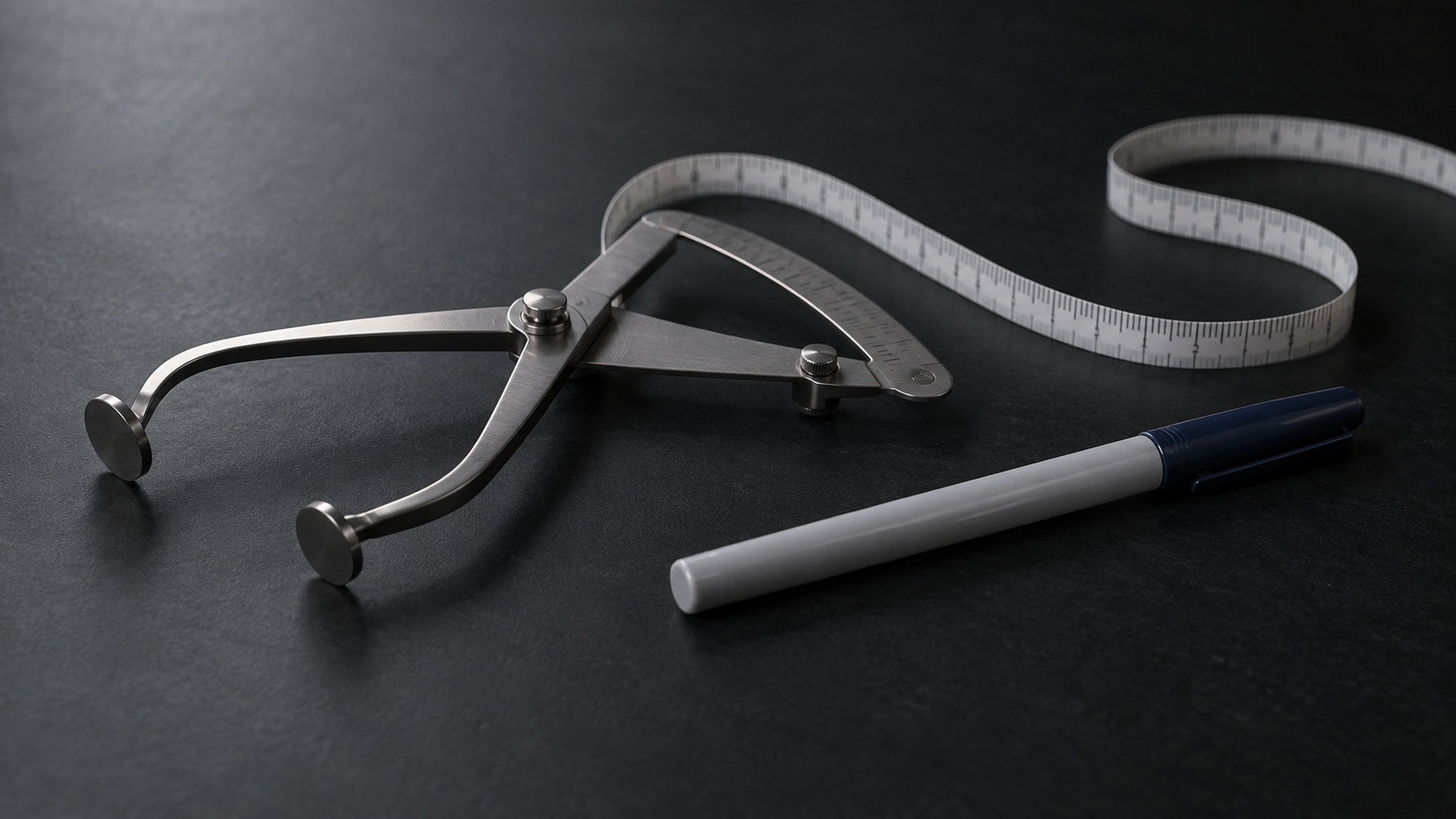
A revision starts with understanding the existing contour, the earlier treatment and the tissue that remains. Measurement supports a plan; it does not replace an examination.

Measuring calipers, tape and marker illustrating contour planning

Understand
the starting point

Bring your prior treatment records and timeline. Swelling, uneven fat distribution, skin laxity and scar tissue may contribute differently to what you see.

Balance correction
with preservation

A depression and an area of fullness may need different approaches. Removing more tissue is not automatically the answer, and some concerns may require staged treatment or another technique.

Set expectations
before another procedure

Ask which changes are realistic and what may remain. Timing, recovery, scars, recurrence and the risk of creating new irregularities belong in the consultation.

FROM THE PRACTICE

FOR JESS
THE LIFT MATTERED

Follow one combined revision through an original clinic comparison and later photo sets. Lifting, contouring, tissue treatment and repair each have a place in the story.

IN THE PATIENT’S OWN STORY

Jess’s original clinic comparison film

The original clinic edit sits alongside the still photographs. Watch with the treatment combination and healing stage in mind.

Inside a complex revision

A published revision-liposuction film from Dr Emer’s practice.

Open on YouTube

Day one after a different revision

Early postoperative footage. This is not a mature result or Jess’s case.

Open on YouTube

YOUR CARE, IN SEQUENCE

REVIEW THE PAST
PLAN WHAT COMES NEXT

A revision consultation starts with records and a realistic goal, then connects any correction to its own recovery.

Discuss your individual plan

Collect the records

Bring operative reports, treatment dates, photographs and details of any injections or devices used. Tell the team about complications and how they were treated.

Set a useful target

Identify your main concern and discuss whether it is stable enough to assess. Agree on a realistic priority rather than an undefined promise of perfection.

Plan for another recovery

Discuss the proposed procedure, anesthesia, support at home, travel and follow-up. Previous surgery may influence the recovery plan.

Document progress

Use consistent photographs and planned examinations. Ask what would count as improvement and what concerns should prompt earlier review.

THE QUESTIONS WORTH ASKING

LET’S GET
SPECIFIC

Open a question for the details. Bring your own questions to the consultation, too.

Is revision simply more liposuction?

Not necessarily. The concern may involve skin, scar tissue or an uneven distribution of volume. The plan should follow the assessment.

How soon can I consider revision?

Timing depends on the original surgery, healing and the concern. Ask the clinician when the contour is stable enough to evaluate.

Can fibrosis be diagnosed from a photo?

Photographs can help explain your concern, but they cannot replace an examination of the tissue or establish every cause of firmness.

Will all irregularities disappear?

That cannot be promised. Discuss what is realistically changeable, what may remain and the possibility of new irregularities.

What if I do not have my records?

Bring what you know, including dates and the original practice. Tell the team when materials or techniques are uncertain.

What should my quote include?

Ask about stages, facility and anesthesia fees, follow-up and whether additional procedures would be a separate decision and cost.

The Evolution of You™

BRING YOUR HISTORY
BUILD YOUR NEXT PLAN

Bring earlier operative reports, treatment dates and photographs. Discuss the cause of the concern before deciding which correction to pursue.

Request your consultation

Continue your research

Dr Emer: combination and revision planningDr Emer: abdominal contouring

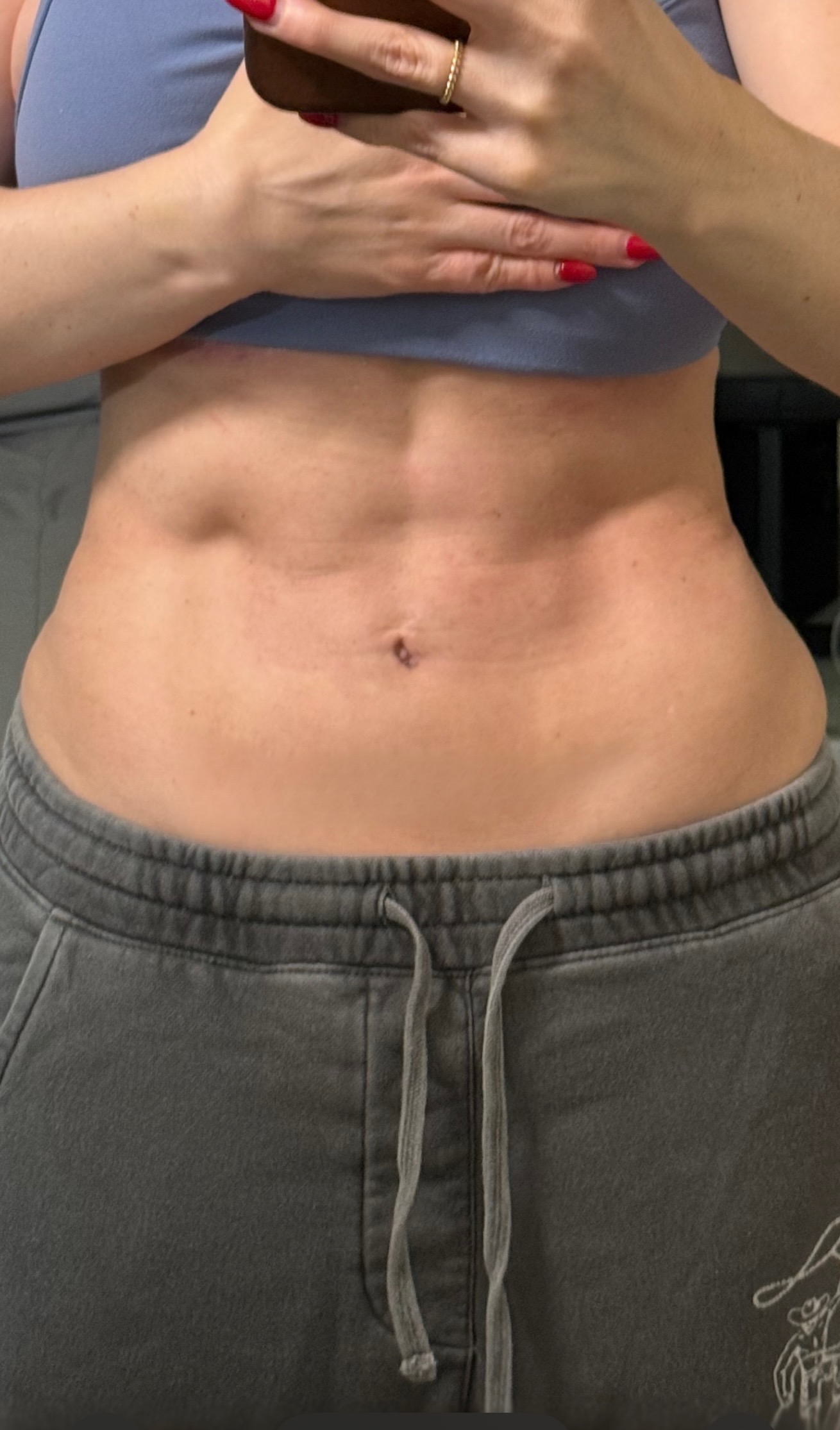
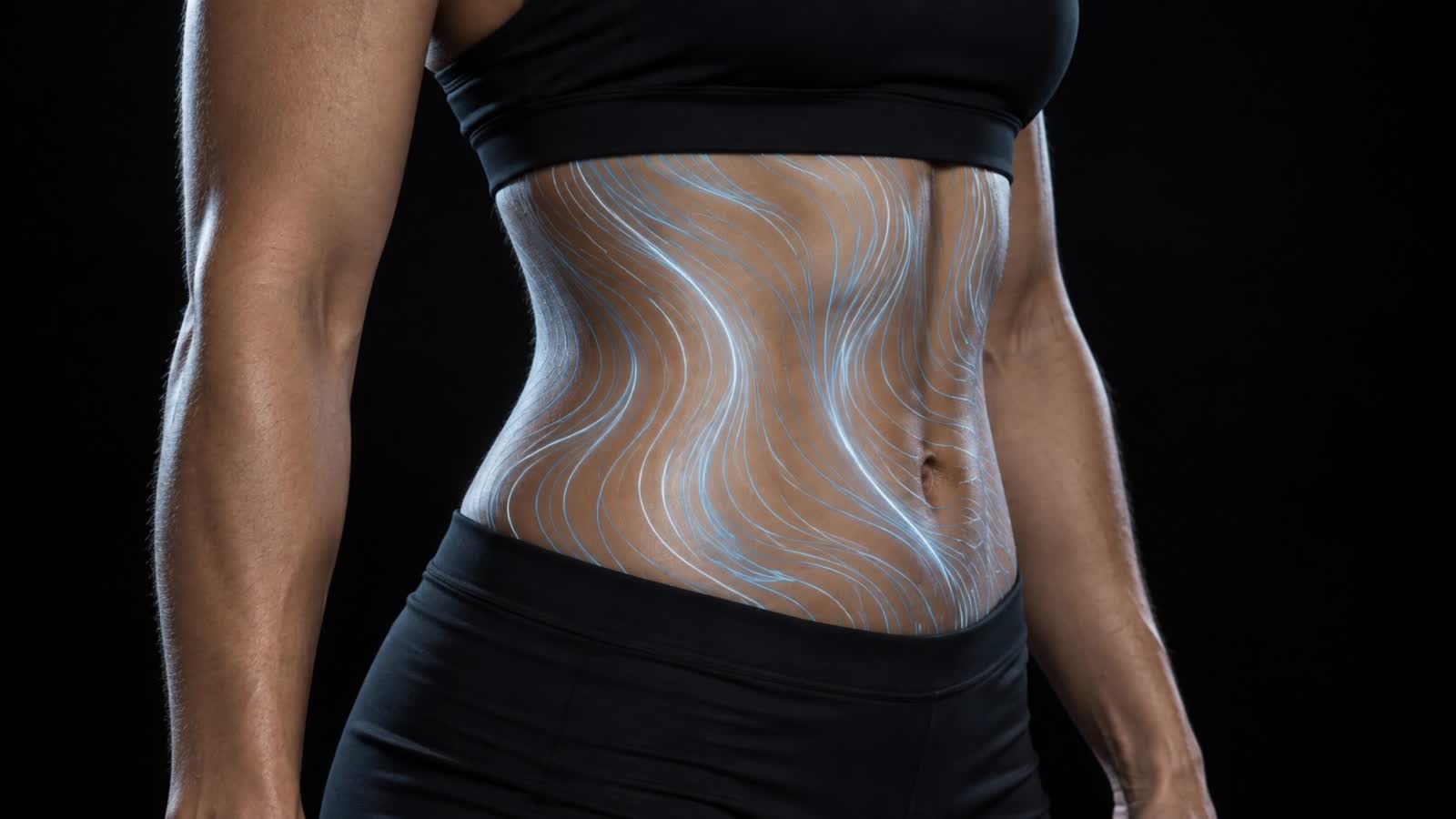
Opening imagery is campaign artwork. The explanatory imagery illustrates the discussion; it is not a patient result or a procedural guide.