Private consultation

DR JASON EMER

ACNE SCAR
TREATMENT

A PIONEER IN SKIN TRANSFORMATION

A board-certified dermatologist bringing focused scar techniques, laser resurfacing and combination planning together for your skin

Your scars are not all the same. Depth, tethering, texture and skin tone help determine where to start. Dr Emer builds a plan around those differences, rather than asking one laser to do everything.

ACNE SCARS / RE:SKN

READ THE SCAR
TREAT THE LAYERS
FOLLOW THE HEALING

A narrow icepick scar, a tethered depression and a broad patch of uneven texture ask different questions. One device cannot explain every scar on a face.

Dr Emer’s combination approach starts with the pattern: where a scar needs focal work, where surrounding skin needs resurfacing, and how pigment response and healing history change the sequence. The treatment story should make those roles visible before showing the photographs.

See the story in practice

THE REASON BEHIND THE PLAN

DIFFERENT SCARS
DIFFERENT JOBS

Move through the treatment roles, then see how they appear in one patient’s record.

Work on the individual scar

Some depressions need targeted treatment at the scar itself. Depending on the pattern, the discussion may include subcision, TCA CROSS, punch techniques or carefully selected support.

Scar depth and tethering guide the choice. A laser-only plan may not answer every structural concern.

See the practice’s scar approach
Give resurfacing a clear role

Fractional and focal resurfacing address different parts of the scar field. Dr Emer’s documented cases combine technologies such as ProFractional and Contour TRL rather than crediting every change to one device.

Settings, coverage and timing depend on the individual skin and recovery plan.

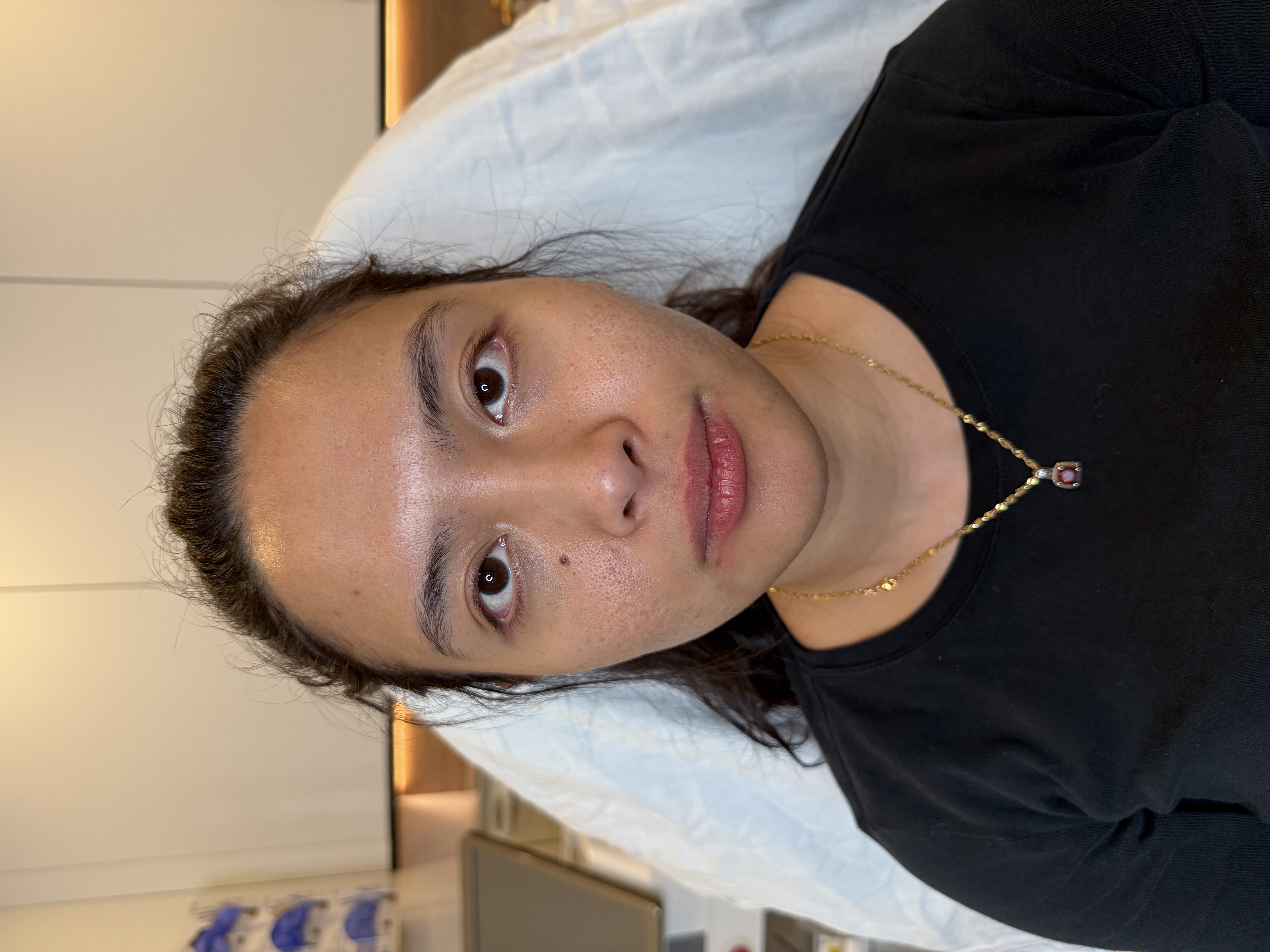
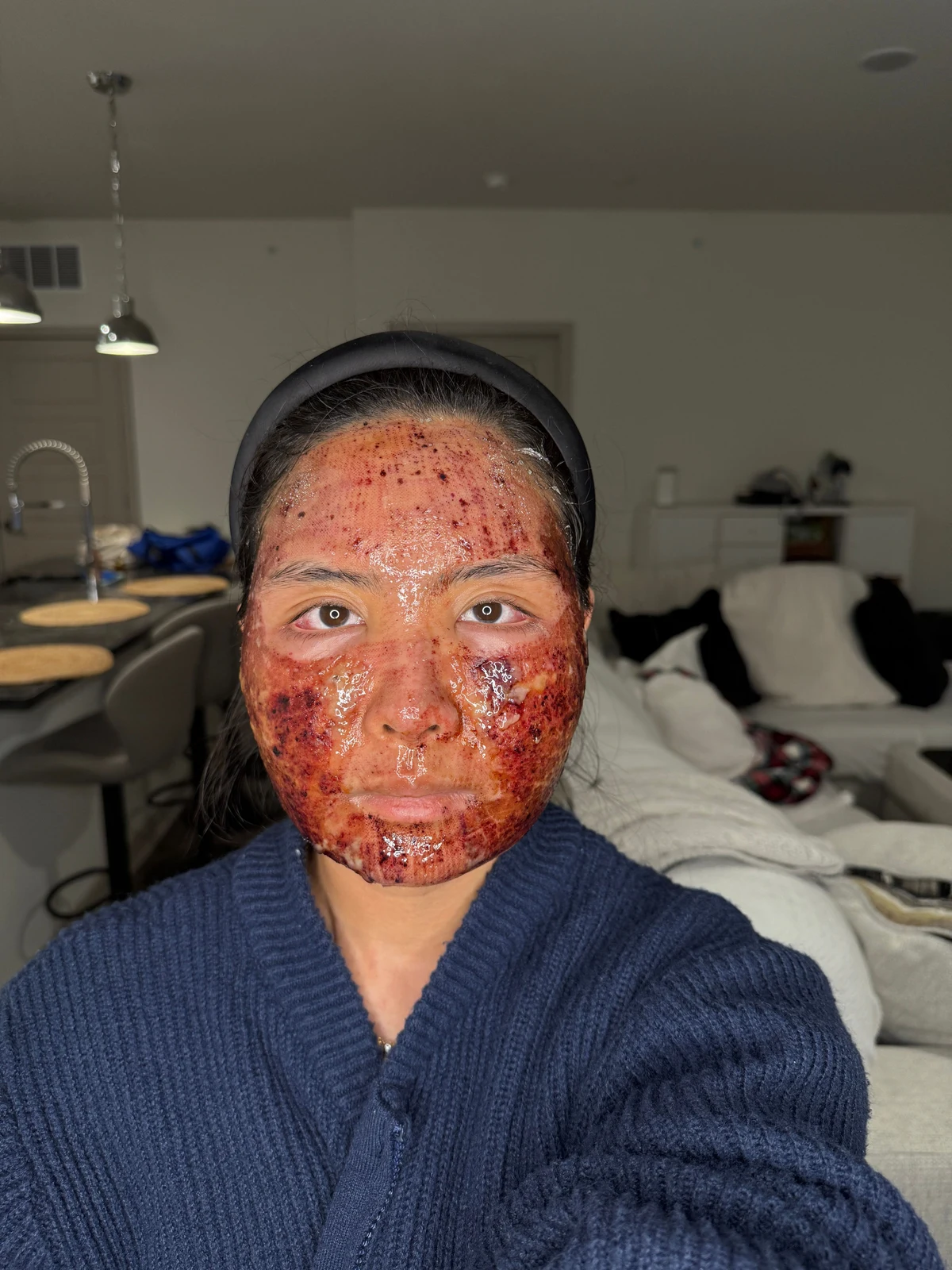
Follow Kimberly’s sequence

Plan for the skin you have

Your skin tone, pigment history, active acne, medications and earlier healing influence preparation and aftercare. Ask to review patients with comparable concerns and skin response.

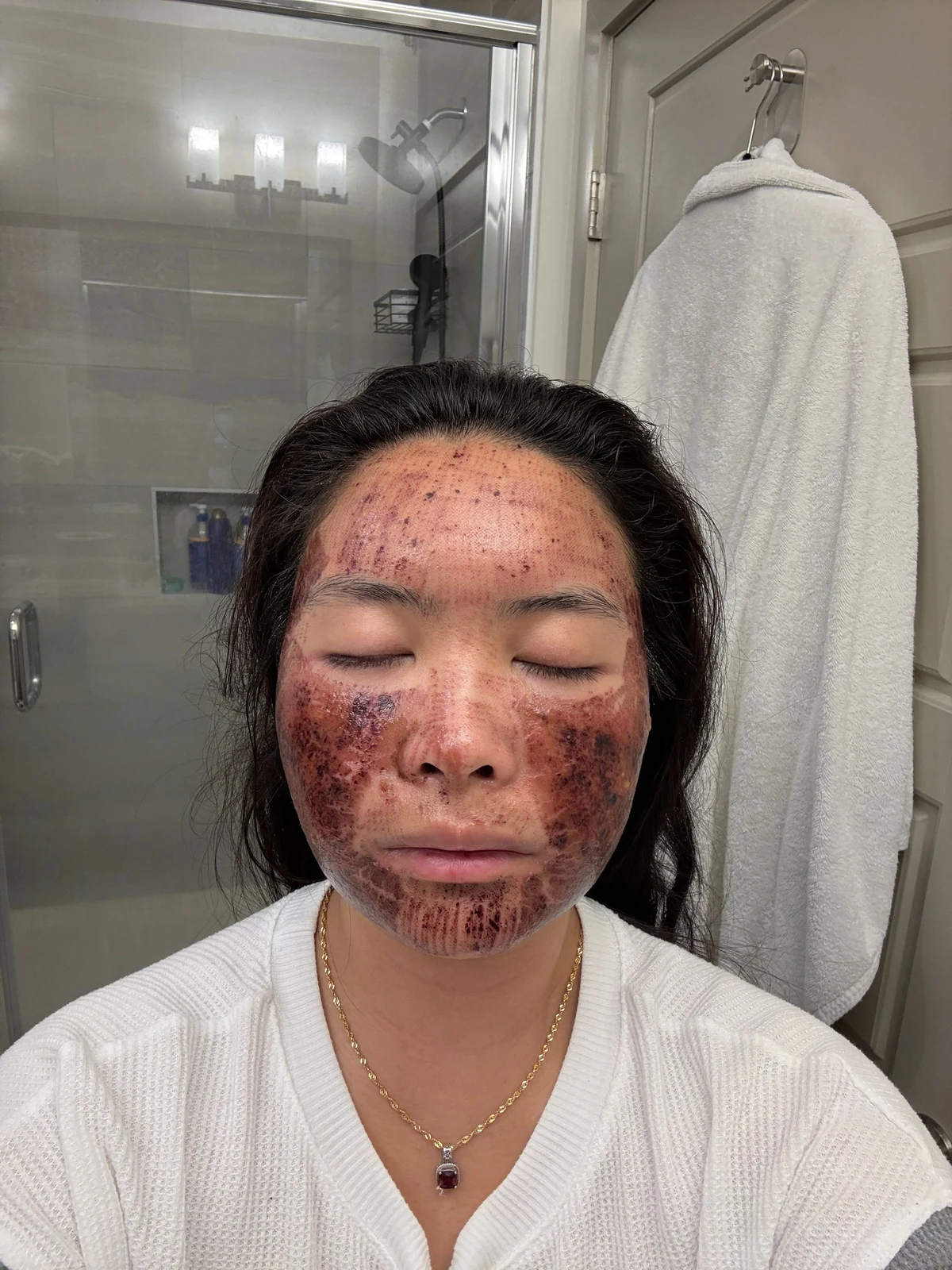
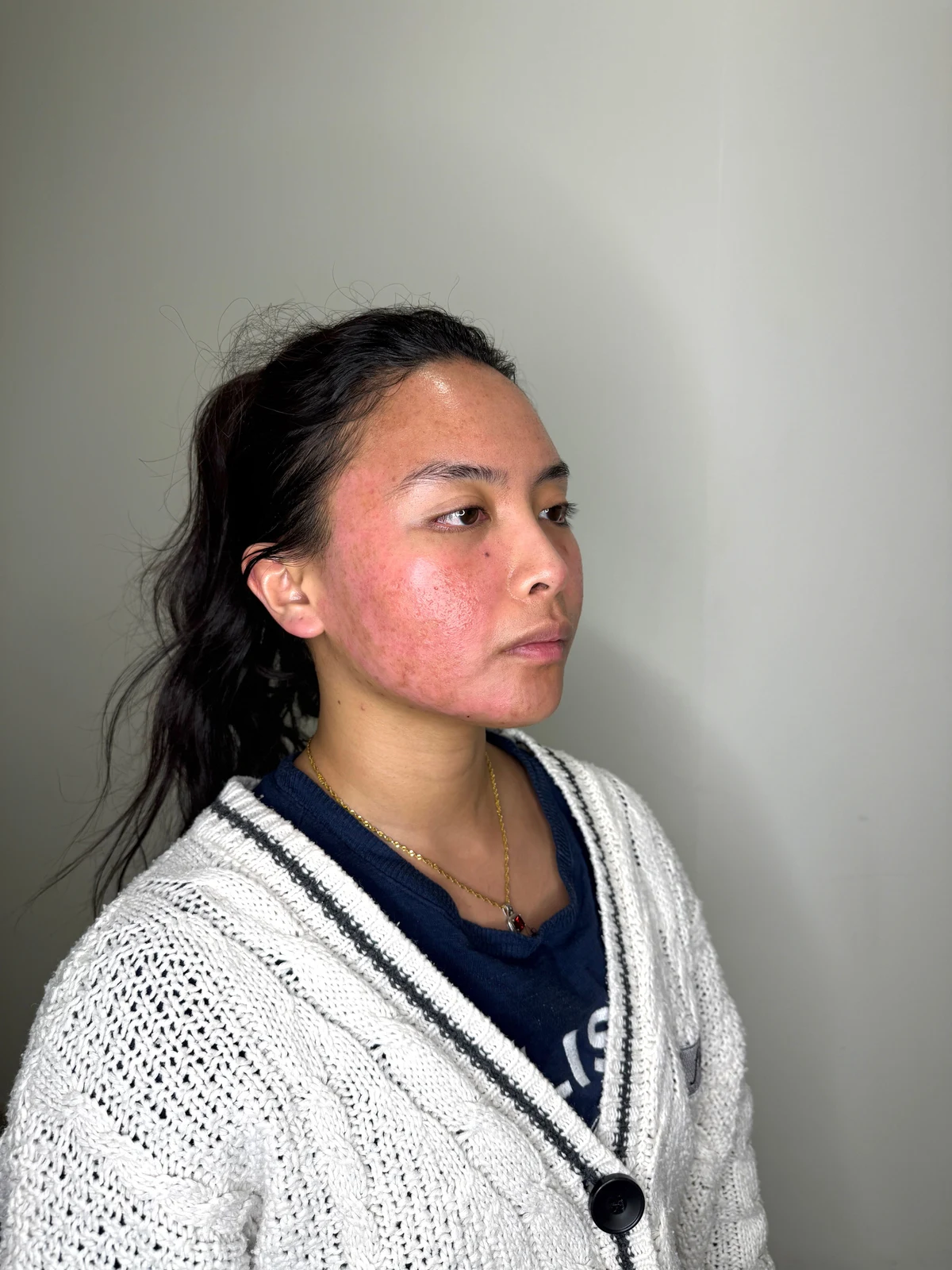
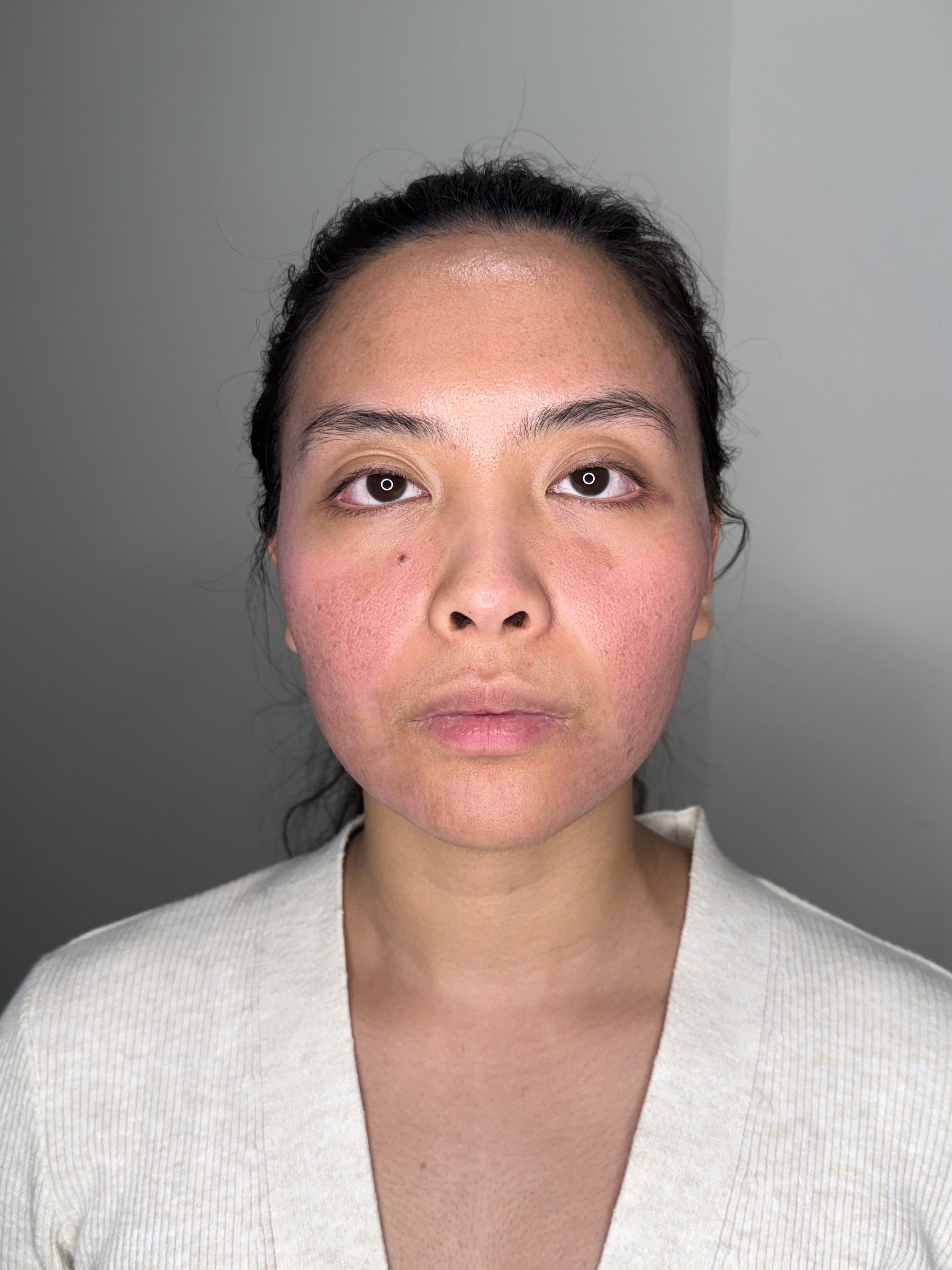
The photographs below show dated early healing. They are not mature final results.

Explore the healing sequence

ACNE SCAR TREATMENT, EXPLAINED

LOOK DEEPER
THAN TEXTURE

A scar has a surface you can see and a structure beneath it. Explore a conceptual rolling-scar model as you scroll, then see why different treatments have different jobs.

The surface tells
part of the story

A rolling depression, a sharp-edged boxcar scar and a narrow ice-pick scar are different patterns. The model here illustrates a depressed scar; your assessment starts with the scars actually on your skin.

Look beneath
the depression

In some depressed scars, fibrous tissue anchors the skin below. Subcision may be considered for this attachment. Resurfacing and volume support address different aspects of the plan.

Connect each treatment
to a purpose

Shape, depth, skin tone and healing history guide the combination. Your consultation should explain what each proposed treatment addresses, what it cannot change and how the stages fit together.

FROM THE PRACTICE

THE DAYS BETWEEN
BEFORE AND AFTER

Kimberly’s October 2025 episode shows how a combination becomes a recovery story. Choose a checkpoint to see the original photograph and its date.

IN THE PATIENT’S OWN STORY

Kimberly in the treatment room

The original clinic edit sits alongside the still photographs. Watch with the treatment combination and healing stage in mind.

Inside acne-scar treatment

A published practice film to continue the treatment discussion.

Open on YouTube

A closer look at combination care

Watch the original practice film for the full clinical context.

Open on YouTube

YOUR CARE, IN SEQUENCE

HEALING IS
PART OF THE STORY

Preparation, the treatment visit and the return to normal skin care belong in the same plan. The sequence changes with the treatment you receive.

Discuss your individual plan

Bring your history

Share acne medications, previous lasers, fillers, peels and any history of abnormal scarring or pigment changes. Include dates and your experience of healing.

Agree on priorities

Identify the scars or areas that bother you most. Ask which component each proposed technique addresses and whether active acne should be treated first.

Make room to heal

Downtime varies with the depth and combination of treatment. Get specific guidance on wound care, sun protection, work and when to restart your normal skin routine.

Compare over time

Consistent photographs and planned follow-up help distinguish temporary swelling from longer-term change. Review whether the next stage still matches your goals.

THE QUESTIONS WORTH ASKING

LET’S GET
SPECIFIC

Open a question for the details. Bring your own questions to the consultation, too.

Is one laser enough?

Not always. Scar shape and depth differ, so a laser may be one part of a plan that also considers targeted scar techniques or volume support.

Can I have treatment with active acne?

Tell the practice about current breakouts and medications. The clinician should decide how acne control and scar treatment fit together.

Will every scar disappear?

No treatment can promise that. Discuss meaningful improvement, remaining texture and the limits of the proposed approach.

Does skin tone affect the plan?

Yes. Pigment response and healing history help guide device settings, technique and aftercare. Ask for examples relevant to your skin.

How many visits will I need?

That depends on the scars and the proposed sequence. Request a written staged plan, including what would cause the clinician to pause or change it.

What should I bring?

Bring your medication list, previous treatment details and photographs you feel show the problem accurately. Explain what improvement would matter most to you.

The Evolution of You™

START WITH
YOUR SCAR PATTERN

Tell the team what bothers you most, what you have tried and how your skin healed. Ask for a plan that explains each treatment’s role and the recovery it involves.

Request your consultation

Continue your research

Dr Emer: acne scar treatmentsDr Emer: acne scar patient storyAmerican Academy of Dermatology: acne scar treatment

Opening imagery is campaign artwork. The layer illustration explains concepts; it is not a patient result or a procedural guide.