Moxi Laser Treatment Cost: What to Budget
Most offices start with a device. In Dr. Emer's room, it starts with a map. The lowest initial price for a single session rarely represents the true financial commitment of an effective aesthetic plan. Total investment depends on the surface area treated, the corrective passes required, and the overarching clinical approach. An accurate moxi laser treatment cost assessment accounts for the full scope of skin revision rather than an isolated visit.
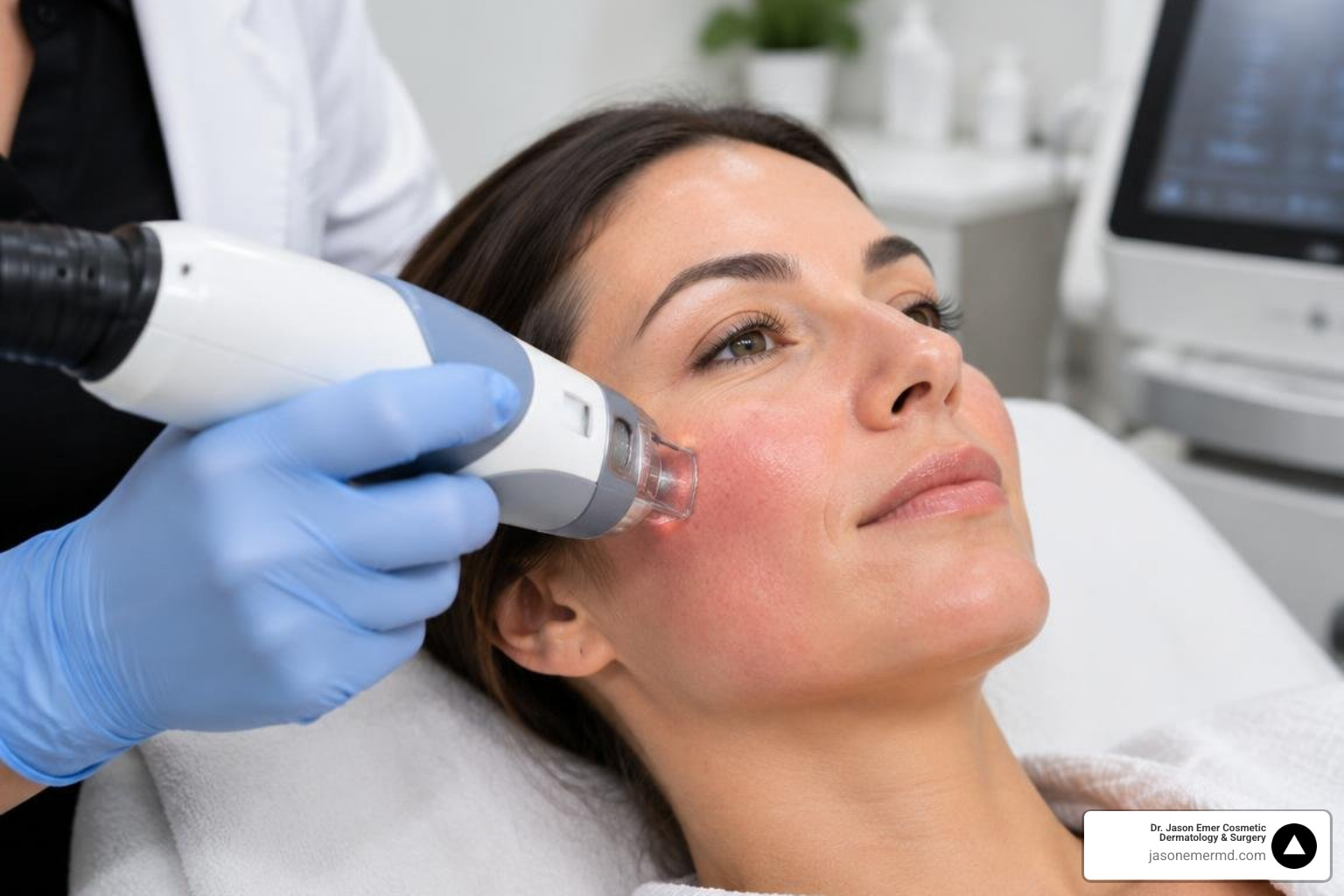
Moxi provides fractional non-ablative rejuvenation with manageable downtime. Evaluating quotes requires understanding whether post-procedure barrier care, skin preparation, and sequential staging are included. Those structural distinctions explain why regional quotes for the same platform can vary significantly.
Jason Emer, MD, FAAD, is a board-certified dermatologist recognized by organizations like the American Academy of Dermatology. His clinical background informs this guide to budgeting for Moxi resurfacing.
Essential planning resources:
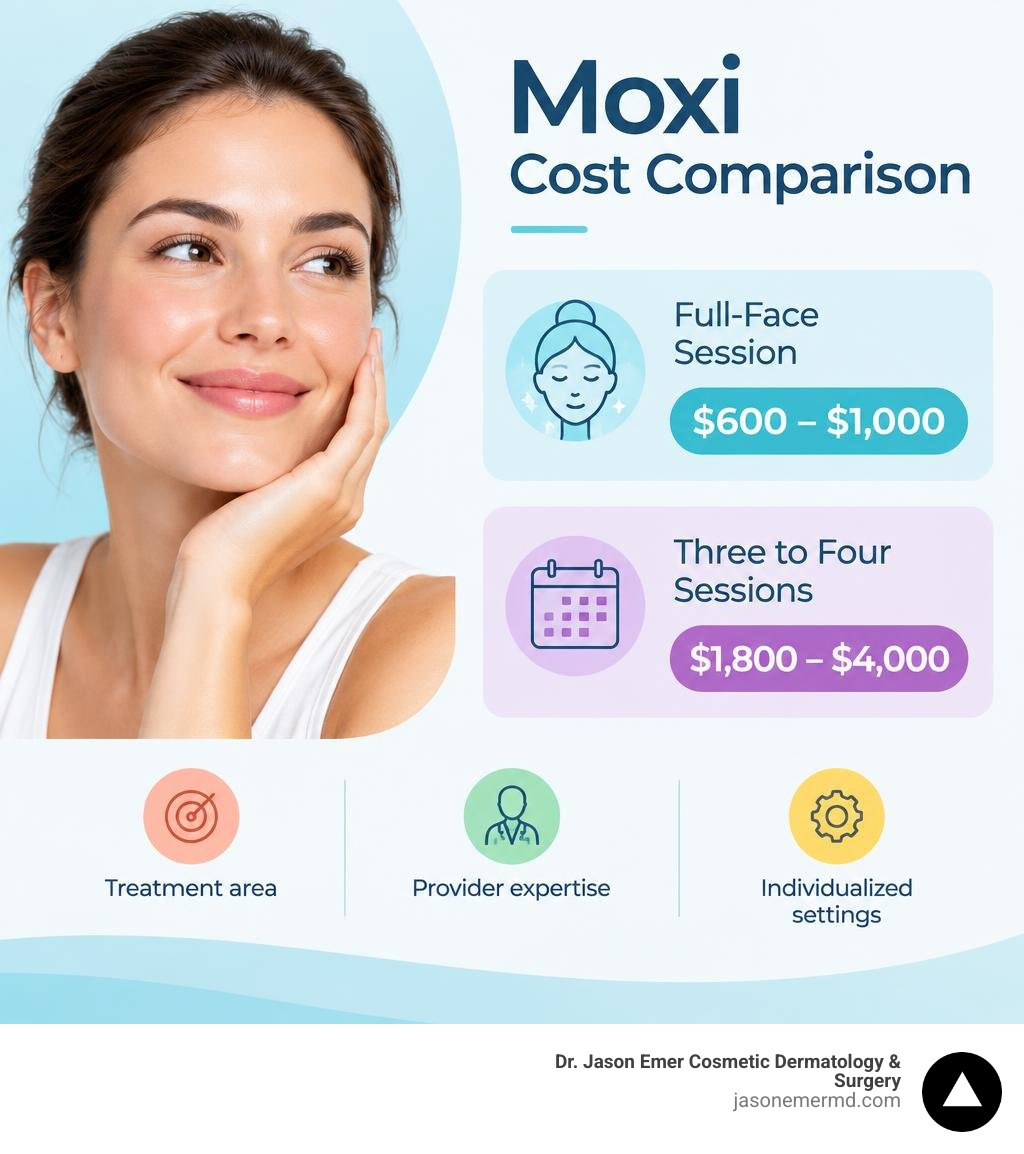
Moxi laser treatment cost varies with treatment area, provider expertise, and individualized settings.
Clinical pricing reflects more than device operation. Regional overhead and practitioner credentials influence rates, but individual tissue architecture drives protocol design. Patients often evaluate options to compare local Moxi laser prices across different geographic markets, since a single quote rarely tells the whole story of what a full course of treatment will require.
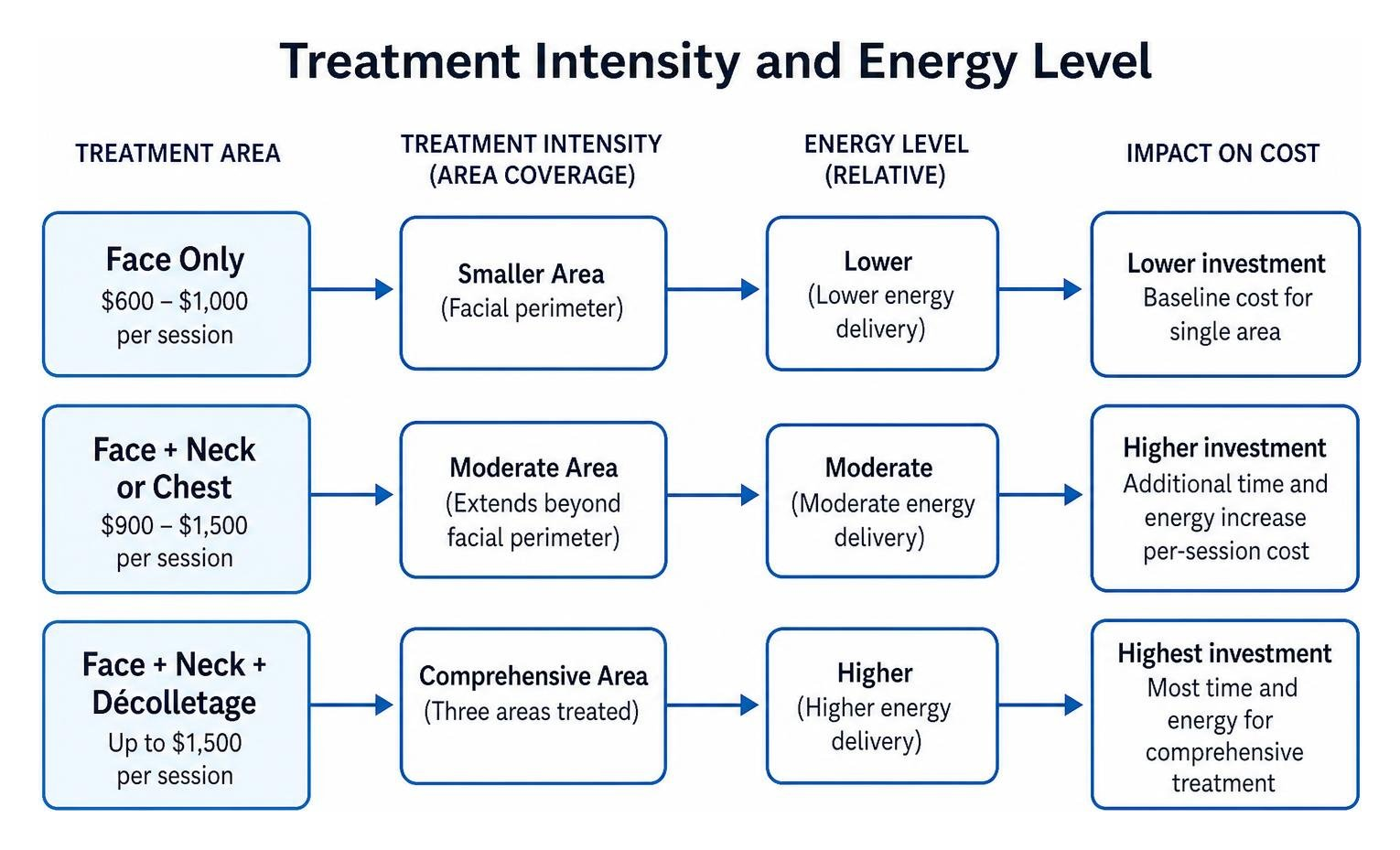
Treating multiple areas can affect the overall treatment investment
Expanding treatment beyond the face requires additional clinical time and pulse delivery. Addressing the neck, chest, or hands alongside facial zones increases the scope of work. Larger surface areas like the arms or upper back require proportionate adjustments in session duration and procedural investment. A quote for the face alone should not be assumed to extend evenly to these other regions, since skin thickness and sun exposure history differ by location on the body.
Selecting a qualified specialist helps shape treatment planning
Moxi utilizes a 1927 nm non-ablative fractionated thulium wavelength targeting water within epidermal tissue. Energy density and pulse settings must be tailored to skin thickness, pigment depth, and cellular turnover rates. These are not settings a practitioner can standardize across every patient; they are decisions made after examining the skin directly.
In darker skin tones (Fitzpatrick types IV through VI), thermal accumulation introduces a risk of post-inflammatory hyperpigmentation (PIH). Lower densities, conservative energy parameters, and staged treatment intervals prevent melanocyte overactivation. Sequencing may also differ for these skin types, with wider gaps between sessions to confirm the skin has settled before advancing to higher settings. Finding a qualified provider ensures appropriate parameter selection to minimize complications, rather than applying a one-size-fits-all energy setting regardless of skin type.
Treatment planning and recovery needs shape the overall investment.
Corrective resurfacing rarely concludes after a single session. Comprehensive protocols frequently involve a series of visits scheduled four to five weeks apart to promote steady collagen stimulation and pigment clearance. Each visit builds on the last, which is part of why the full moxi laser treatment cost is best understood as a series rather than a one-time fee.
Sequencing sessions appropriately can change the scope of a treatment plan
Clinicians assess the degree of correction required before establishing energy settings and pass counts. Decisions about treatment intervals and supportive topical regimens are finalized during consultation based on observed tissue responses. A patient with mild sun damage may need fewer, lower-intensity sessions, while more pronounced texture or pigment irregularities may call for a longer series. None of these decisions are made before the skin has been examined in person.
Recovery needs are part of the overall treatment plan
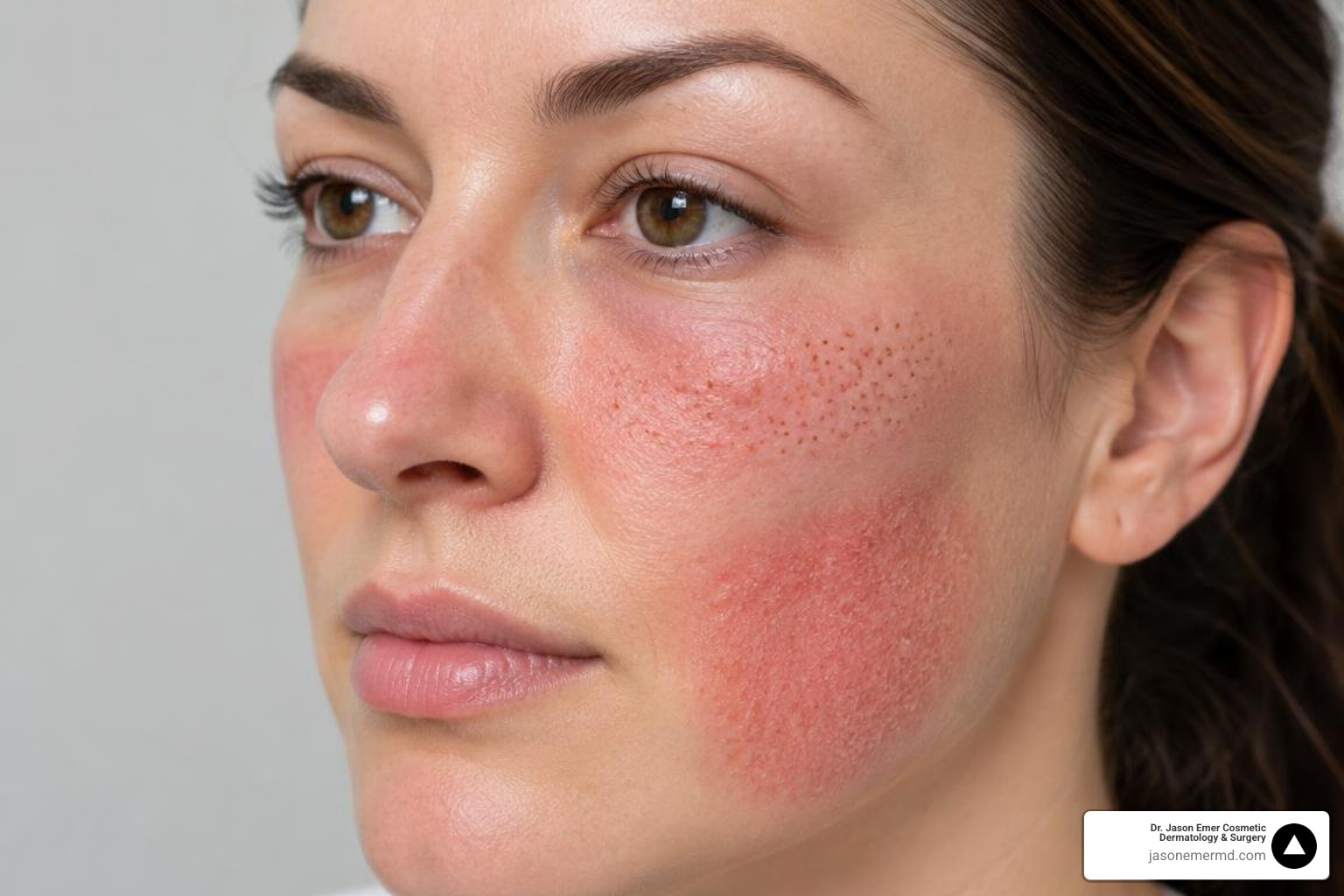
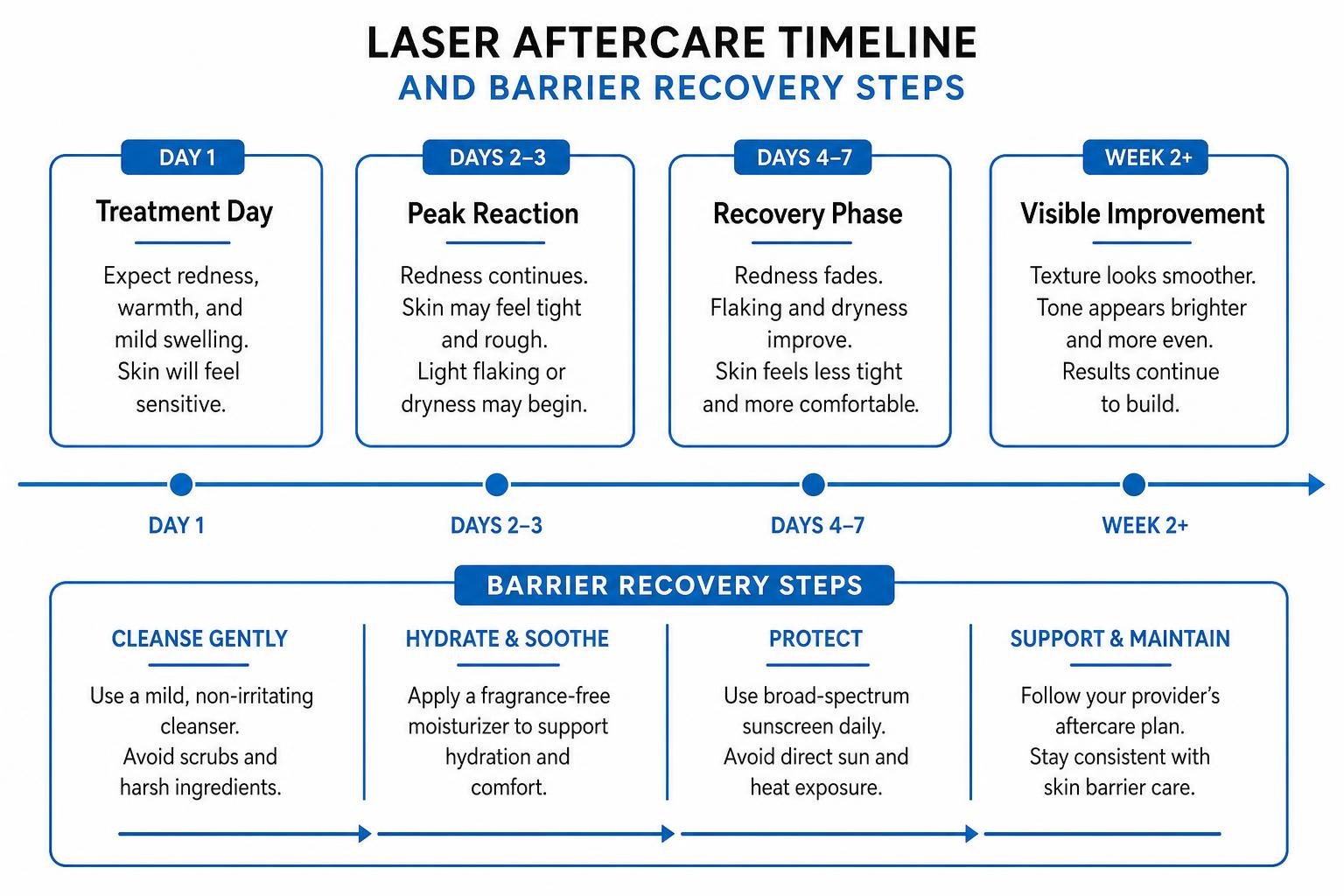
Thermal remodeling initiates an inflammatory healing response. Microscopic epidermal necrotic debris (MENDs) appear within twenty-four hours, creating a rough texture across the stratum corneum that sloughs over three to five days. This bronzing and flaking is an expected part of the process, not a complication, but it does mean short-term planning around work or social events matters. Following structured recovery steps supports barrier repair and safeguards clinical outcomes.
Every energy platform involves tradeoffs. Non-ablative settings offer brief social downtime but require multiple sessions to achieve progressive change compared to aggressive ablative resurfacing, which produces more dramatic single-session results at the cost of a longer, more involved recovery. Patients seeking minimal intervention may also consider non-energy alternatives or choosing to do less, options thoroughly evaluated during an individualized consultation. There is no obligation to pursue the most aggressive protocol available; a conservative plan, or no treatment at all, remains a reasonable choice depending on a patient's goals and tolerance for downtime.
Understanding financing and non-ablative technology helps patients plan for elective care.
Cosmetic laser resurfacing is an elective procedure. Insurance plans do not cover non-ablative treatments aimed at cosmetic sun damage or tone refinement. Patients budget out-of-pocket, frequently utilizing options such as CareCredit medical financing to manage elective expenses across a full series. Spreading payments across a treatment plan, rather than paying per visit, can make a multi-session protocol easier to budget for from the outset.
Frequently asked questions about Moxi laser resurfacing
How many Moxi laser sessions are typically recommended?
A standard series typically involves three to four appointments spaced several weeks apart, followed by periodic maintenance based on individual tissue response. The exact number depends on the degree of correction sought and how the skin responds along the way.
Is Moxi laser treatment covered by medical insurance?
No. Laser treatments addressing skin tone, texture, and cosmetic photoaging are elective services requiring self-pay arrangements. This is consistent with how most elective dermatologic procedures are classified industry-wide.
How does Moxi downtime compare to ablative laser resurfacing?
Ablative lasers vaporize superficial tissue layers, requiring open wound care. Non-ablative Moxi leaves the stratum corneum intact, with redness typically resolving within one to two days, though achieving substantial correction requires a series of visits. Patients weighing the two approaches are essentially trading a longer timeline for a gentler recovery curve, or vice versa.
A thorough assessment of skin architecture determines procedural parameters. A personalized consultation at Dr. Jason Emer Cosmetic Dermatology & Surgery provides the setting to establish an individualized treatment plan, where staging, energy settings, and overall cost can be reviewed together before any session is scheduled.
What to remember
- Overall financial planning for Moxi laser resurfacing depends on the anatomical area treated, session counts, and customized energy parameters.
- Darker skin types require conservative density settings and careful staging to minimize the risk of post-inflammatory hyperpigmentation.
- Treatment intervals and non-energy alternatives can be weighed during a clinical evaluation to match recovery preferences.
This content is for general education and does not provide a diagnosis, determine candidacy, or replace a consultation with a licensed clinician.
This resource provides general educational information. Treatment recommendations depend on your health, goals, and consultation with a qualified clinician.