The treatment, explained
What is deep fractional erbium laser?
Also called Profractional erbium, Contour TRL erbium, superficial ablative erbium, erbium laser resurfacing, acne scar laser treatment, laser resurfacing for ethnic skin, deep laser resurfacing, fractional laser for acne scars.
- What it is
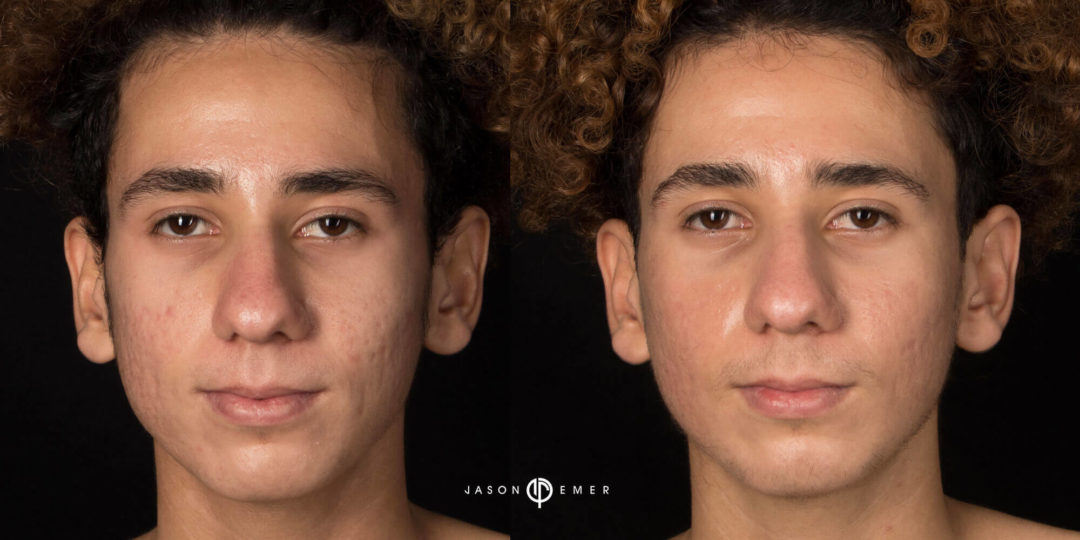
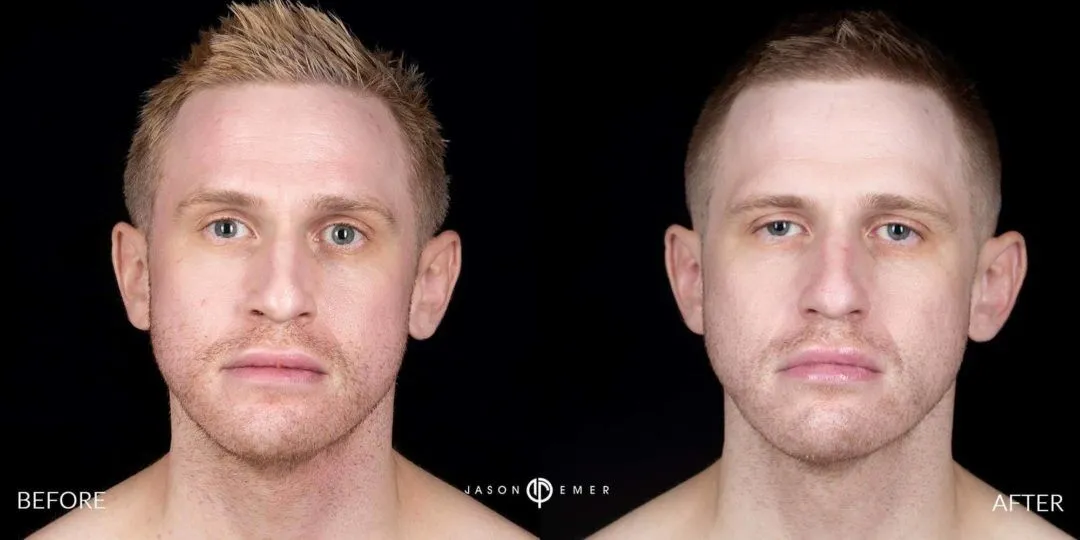
- Deep fractional erbium laser resurfacing for severe acne scars combines two erbium lasers at different depths to remodel scar tissue. The deep fractional laser (Profractional) penetrates hundreds of microns into the dermis, creating microscopic columns of injury that stimulate collagen remodeling from the inside out. The superficial ablative erbium (Contour TRL) addresses the surface texture. This combination treats every layer of the scar, from the deep dermis to the skin surface, and is performed at high density and high power to achieve significant improvement in severe scarring. The treatment is often combined with microscopic silicone injections to restore volume beneath depressed scars before laser resurfacing addresses the surface texture.
- How it works
- The procedure is performed with nerve blocks, topical anesthetic creams, oral pain medication and injections. Nitrous oxide is available, and the treatment can be performed under sedation in the operating room if needed. The deep fractional erbium is applied first, drilling hundreds of microns into the dermis at high density and power. The superficial ablative erbium follows, addressing the surface layer. Each laser is set to a different depth to treat every plane of scar tissue. Patients are placed on antibiotics and sometimes steroids, and they follow the mandatory Reskin Stabilis skin care protocol before and during healing. The protocol includes vitamin C, hyaluronic acid, growth factors, peptides, stem cells, papaya enzyme cleansers, retinol and hydroquinone. Without compliance with this protocol, the laser is not performed due to the high risk of hyperpigmentation on ethnic skin.
- Who it is for
- This treatment is for patients with severe acne scarring, including those with ethnic skin tones that other practices turn away. Candidates must be willing to follow a very aggressive skin care protocol before and after treatment, take antibiotics and possibly steroids during healing, and commit to a long-term maintenance plan. The treatment is not for patients seeking a single visit fix or those unwilling to invest in ongoing skin care and maintenance treatments. Hyperpigmentation risk is high on darker skin, and the strict protocol is not optional. Patients must understand that this is a staged process, often requiring multiple sessions spaced months apart, with maintenance treatments every three to four months after the goal is achieved.
- Recovery
- Patients peel for seven to ten days after treatment. They are on antibiotics and sometimes steroids during the peel. The mandatory Reskin Stabilis skin care protocol must be followed during healing. Pain is managed with nerve blocks, topical creams, oral medication and injections. The specific recovery plan and medications are determined at consultation based on the individual patient's skin type, scarring severity and medical history.
- When results show
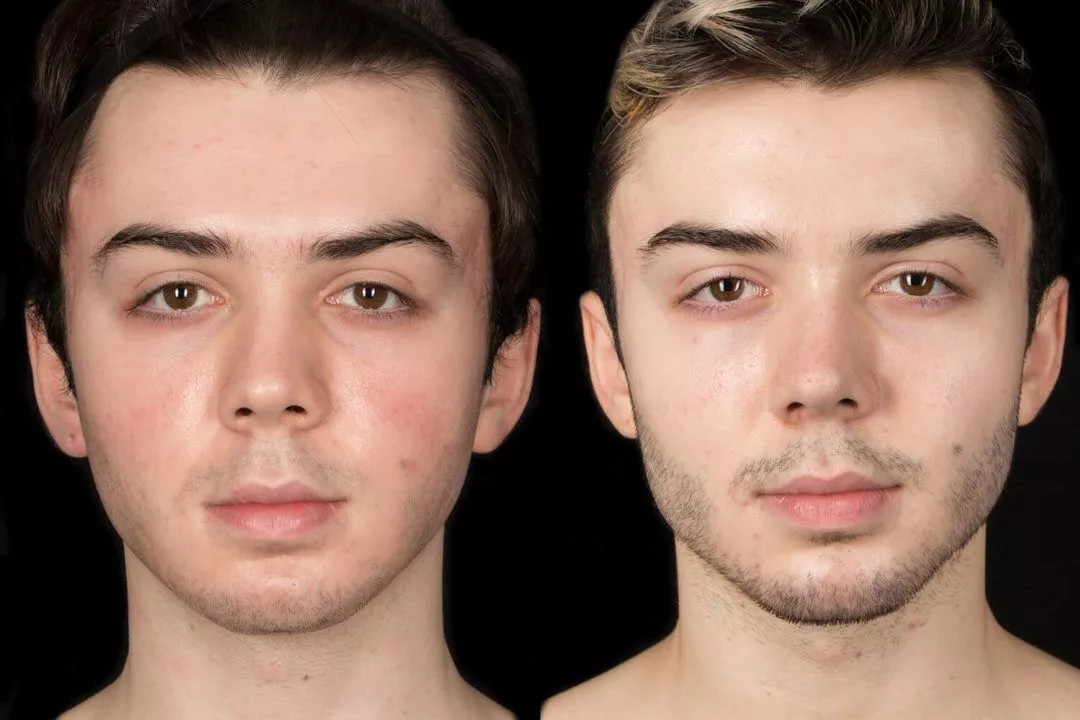
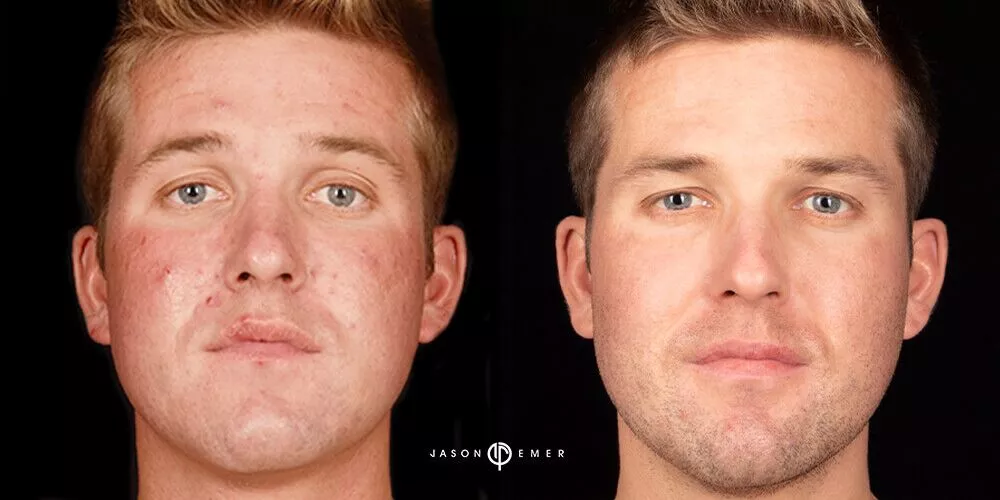
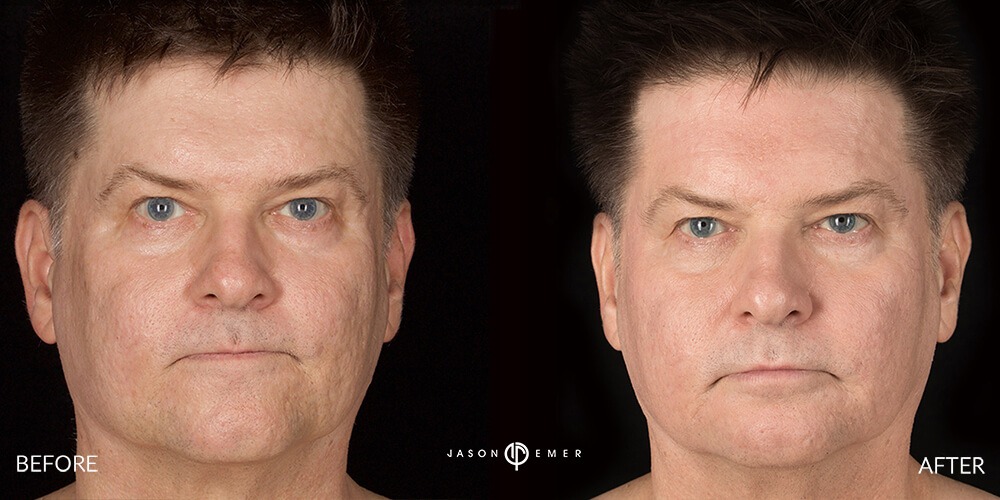
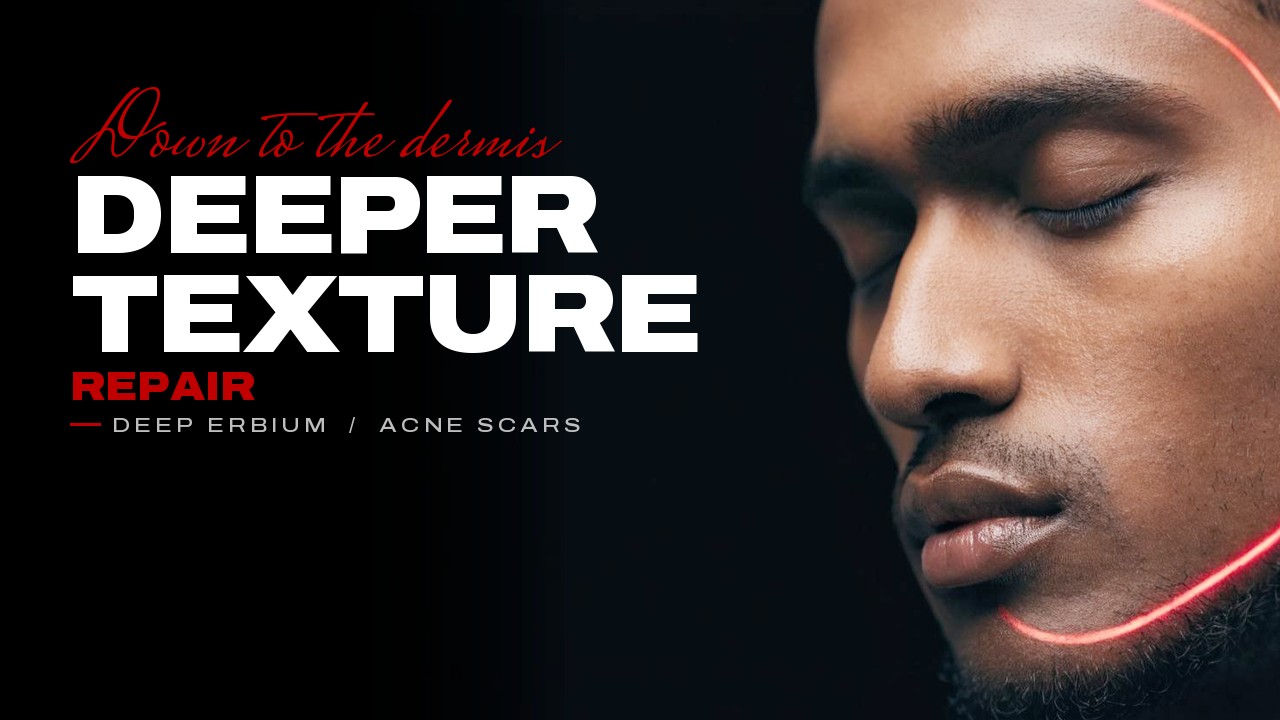
- Improvement is visible after the peel completes, typically seven to ten days after treatment. Significant improvement is seen with each session. The patient shown in the film is on his third session and has had big improvement each time. Multiple sessions are usually required, spaced months apart, to achieve the goal. After the scars are where the patient wants them, maintenance treatments with Halo, Fraxel, microneedling or microneedling radiofrequency are performed every three to four months to maintain the result. The timeline and number of sessions are determined at consultation based on the severity of scarring and the patient's goal.