The treatment, explained
What is post-bariatric body contouring?
Also called post-weight-loss body reconstruction, massive weight loss body lift, circumferential body lift, lower body lift, thigh lift, arm lift, brachioplasty, male chest lift, gynecomastia surgery after weight loss, skin removal surgery, body lift with fat grafting, vaser liposuction, Renuvion plasma skin tightening, J-Plasma body contouring.
- What it is
- Post-bariatric body contouring, also called post-weight-loss body reconstruction, is a series of surgical procedures that remove excess skin, tighten remaining tissue, and restore shape after massive weight loss. The treatment combines skin excision (body lift, arm lift, thigh lift, chest lift), liposuction to remove remaining fat and harvest it for grafting, energy-based skin tightening (Renuvion plasma, Morpheus radiofrequency), and fat transfer to areas that need volume or definition. It is staged across multiple surgeries, planned around healing, continued weight loss and return to exercise.
- How it works
- Each phase begins with tumescent fluid infiltration containing anesthetic and vasoconstrictors to reduce pain, bruising and bleeding. Vaser ultrasonic liposuction emulsifies fat for removal and undermines tissue to lift it away from muscle, preventing irregularities and allowing tension-free closure. Renuvion subdermal plasma heats and contracts collagen in skin that will not be excised, improving texture and reducing sagging. Skin is then excised along marked lines, and the wound is closed in three layers: deep fascia, deep dermis, and intracuticular suture to bring skin edges together. Drains are placed to collect fluid during early healing. Harvested fat is purified through centrifugation or filtration and injected into the chest, shoulders or buttocks to create shape. Between surgeries, the patient continues weight loss, peptide therapy and training, and the next phase is planned based on the new body composition.
- Who it is for
- Candidates are patients who have lost a large amount of weight through bariatric surgery, diet, exercise or medical weight loss and are left with loose, hanging skin that does not respond to non-surgical tightening. Ideal candidates have reached a stable weight or are continuing to lose weight in a controlled way, are non-smokers or willing to quit, have realistic expectations about scarring and recovery, and are healthy enough for multiple staged surgeries. The treatment is not for patients still losing weight rapidly, those with uncontrolled medical conditions, or anyone expecting scarless results. Candidacy, the number of phases required, and the specific procedures in each phase are determined during an in-person consultation with review of weight loss history, current body composition, skin quality and goals.
- Recovery
- Recovery depends on the phase and the extent of skin removal. Circumferential body lifts and thigh lifts require the longest downtime, typically several weeks before returning to light activity and months before resuming full training. Drains remain in place for one to two weeks to prevent fluid buildup. Compression garments are worn continuously for the first weeks and then during activity for months. Swelling, bruising and discomfort are managed with prescribed medication. Patients are instructed to avoid heavy lifting, intense exercise and movements that place tension on incisions until cleared by the surgeon. Each phase is planned around recovery time, and many patients continue losing weight and training between surgeries. Scars mature and fade over one to two years but remain visible. The timeline, restrictions and follow-up schedule are set during consultation and adjusted based on healing.
- When results show
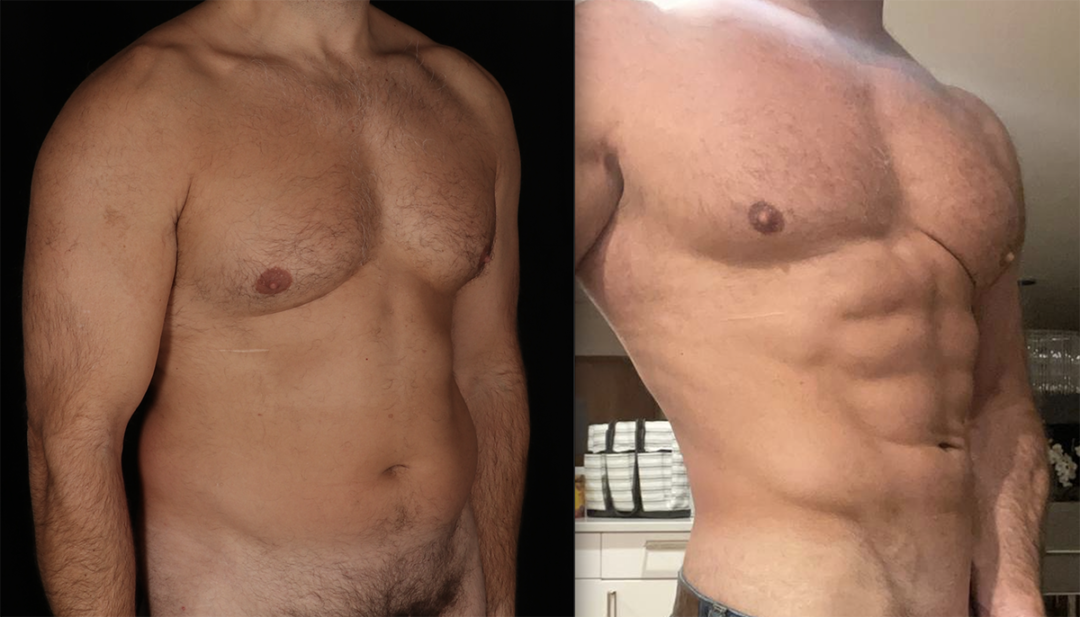
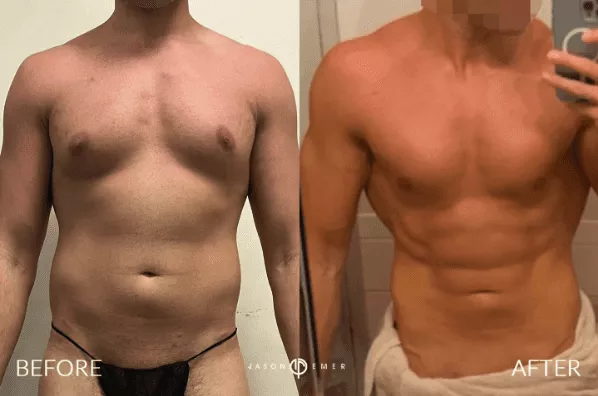
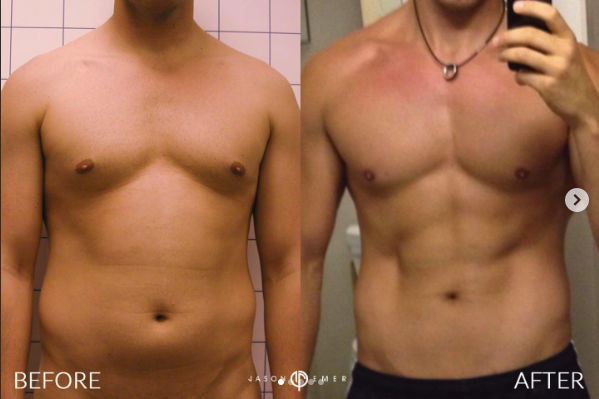
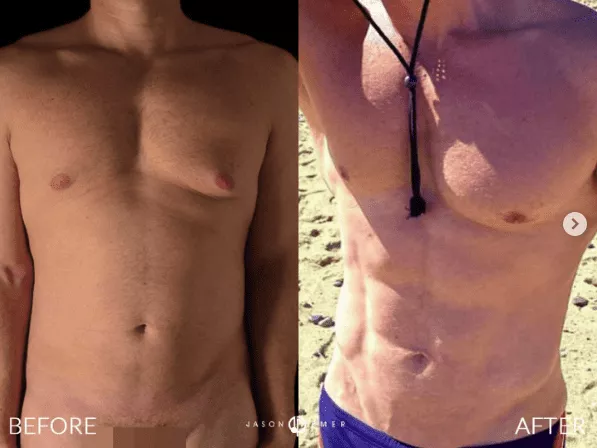
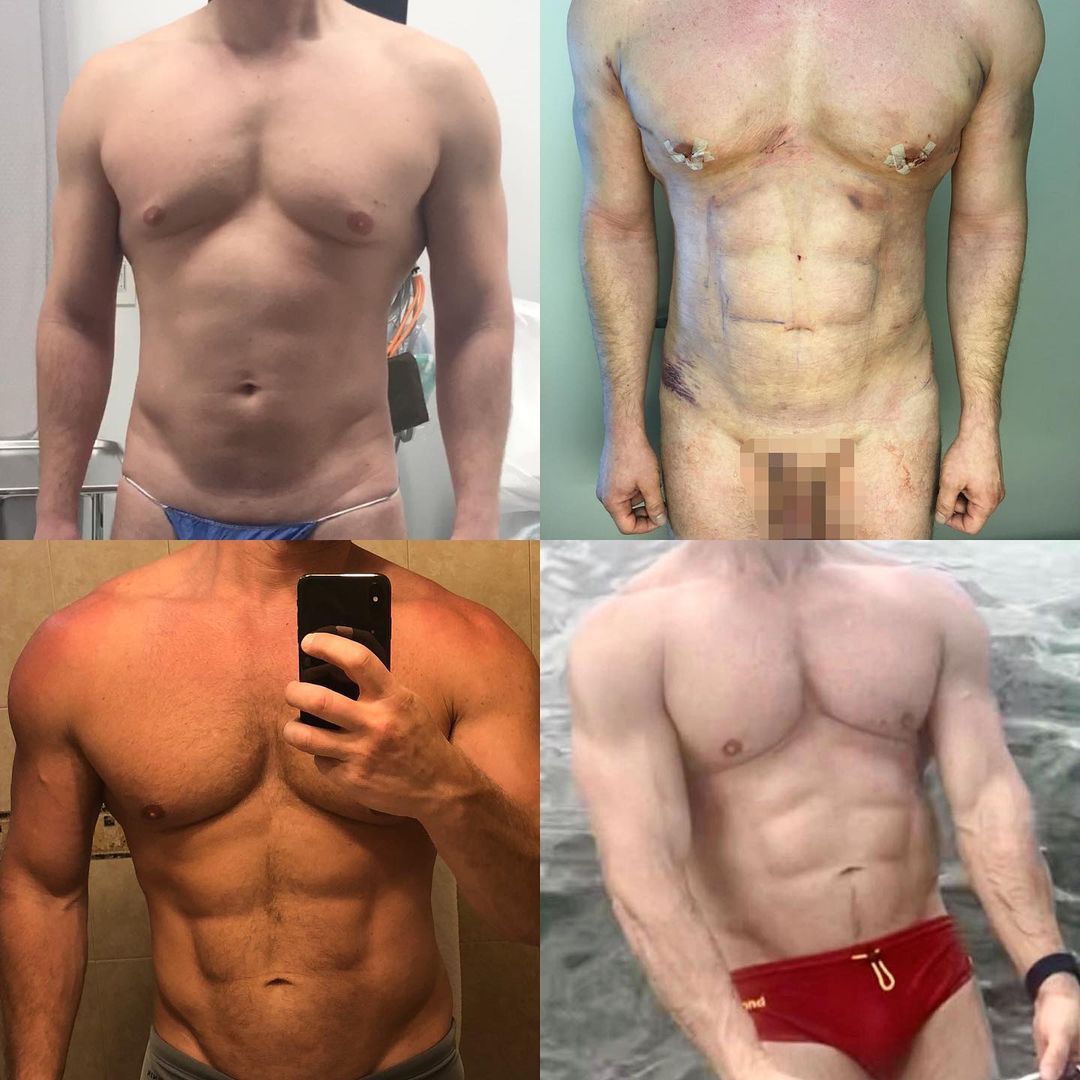
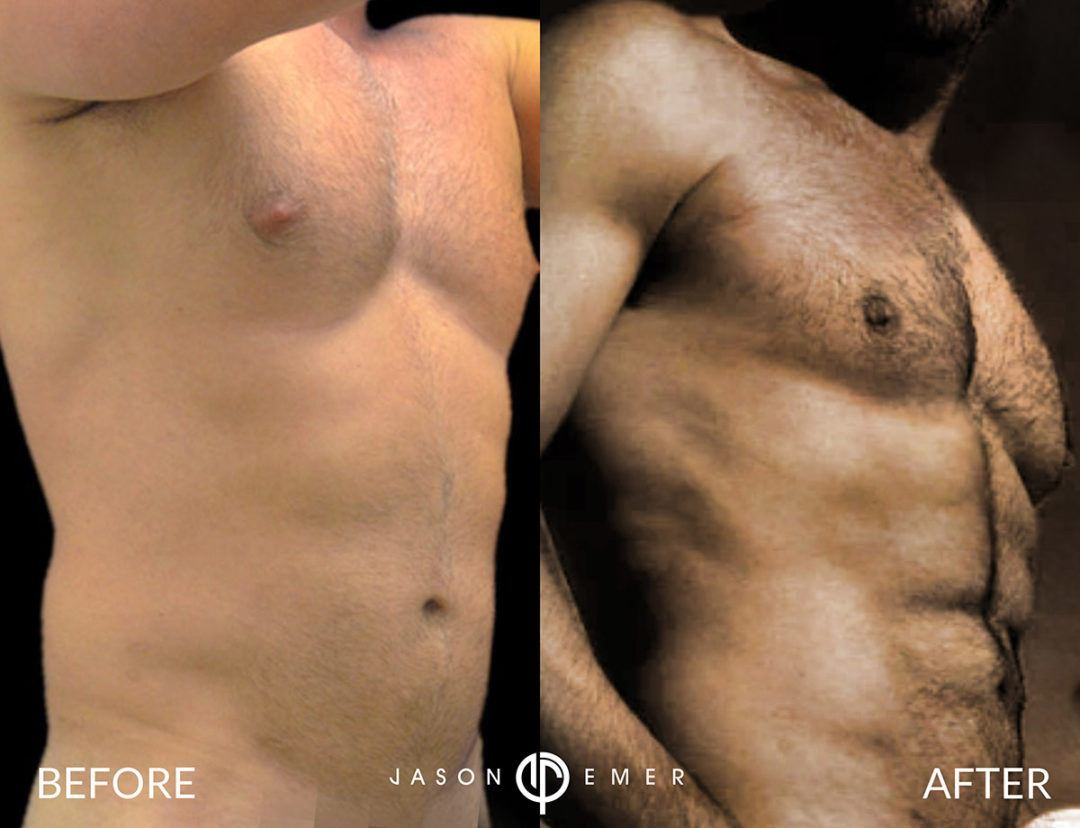
- Results are visible immediately after each surgery as excess skin is removed, but final results develop over months as swelling resolves, skin contracts, grafted fat settles, and scars mature. Most patients see continued improvement for six to twelve months after each phase. The body appears tighter, more athletic and proportional, with definition that was hidden under loose skin now visible. Fat-grafted areas like the chest, shoulders and buttocks gain shape and volume. Skin quality improves in areas treated with Renuvion plasma and Morpheus radiofrequency. Results are long-lasting if weight remains stable, though natural aging, future weight changes and skin laxity over time can affect the outcome. Maintenance with non-surgical tightening, continued training and peptide therapy helps preserve results. The transformation is not complete until all planned phases are finished, and the final result reflects the combined work of every surgery.