

The question is never just the butt
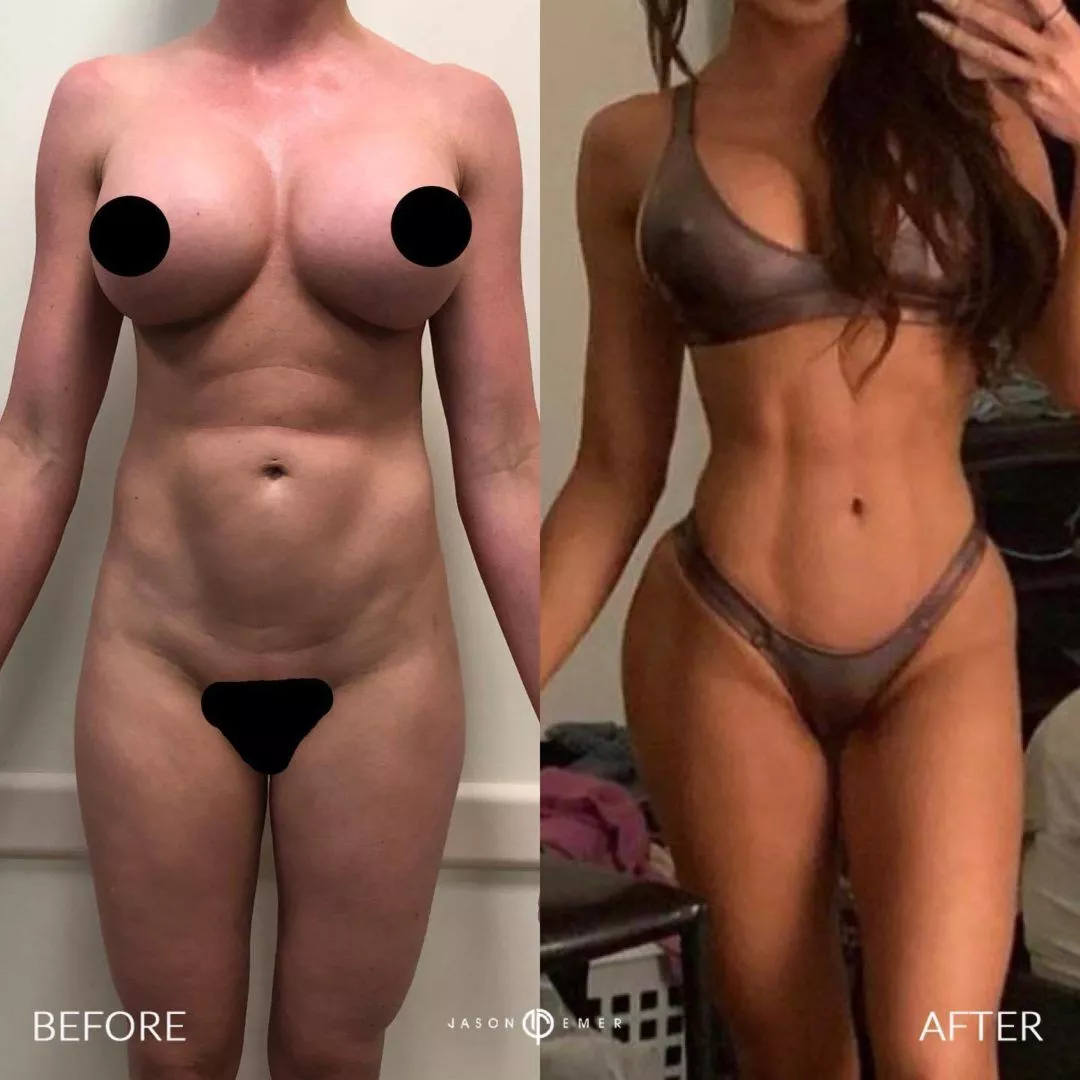
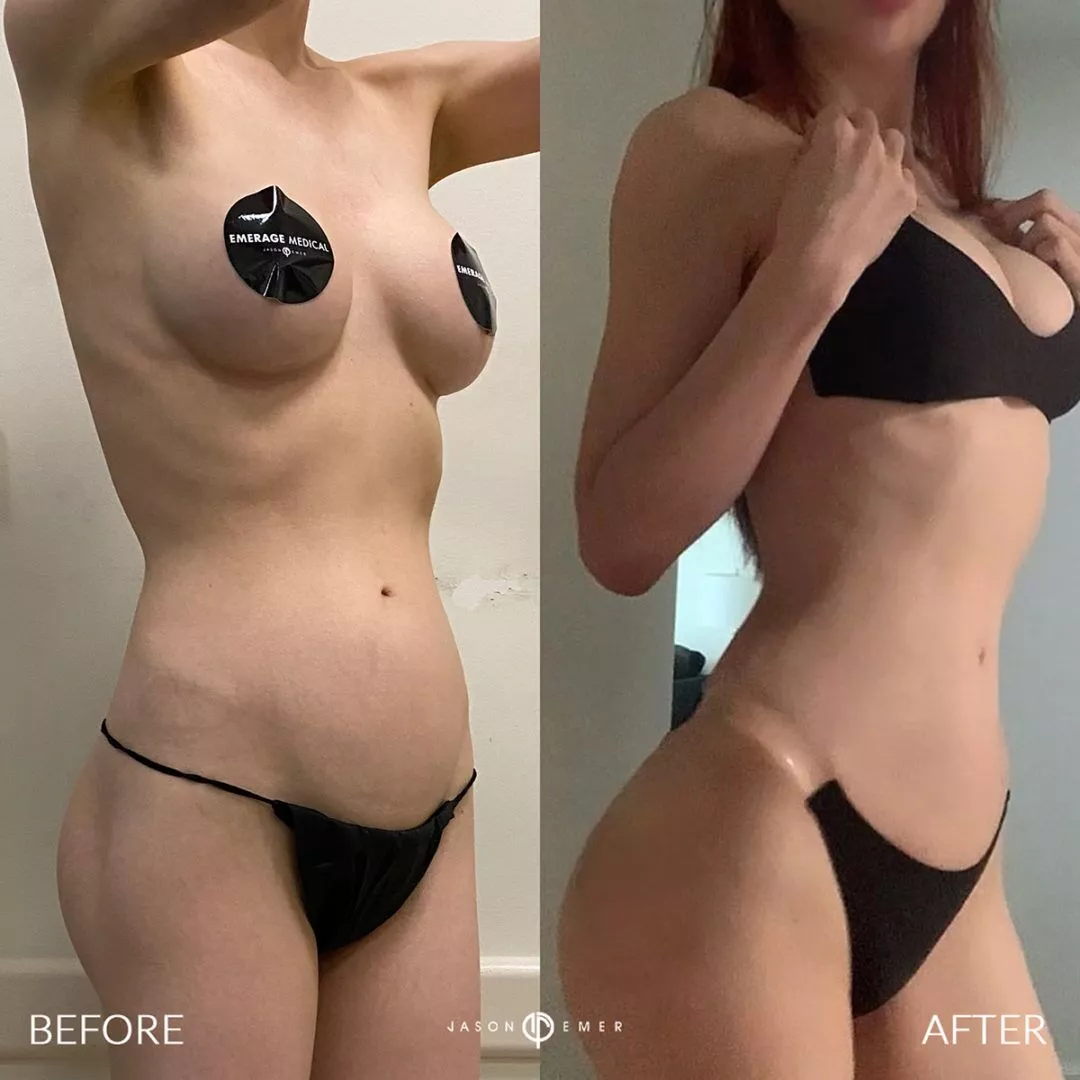
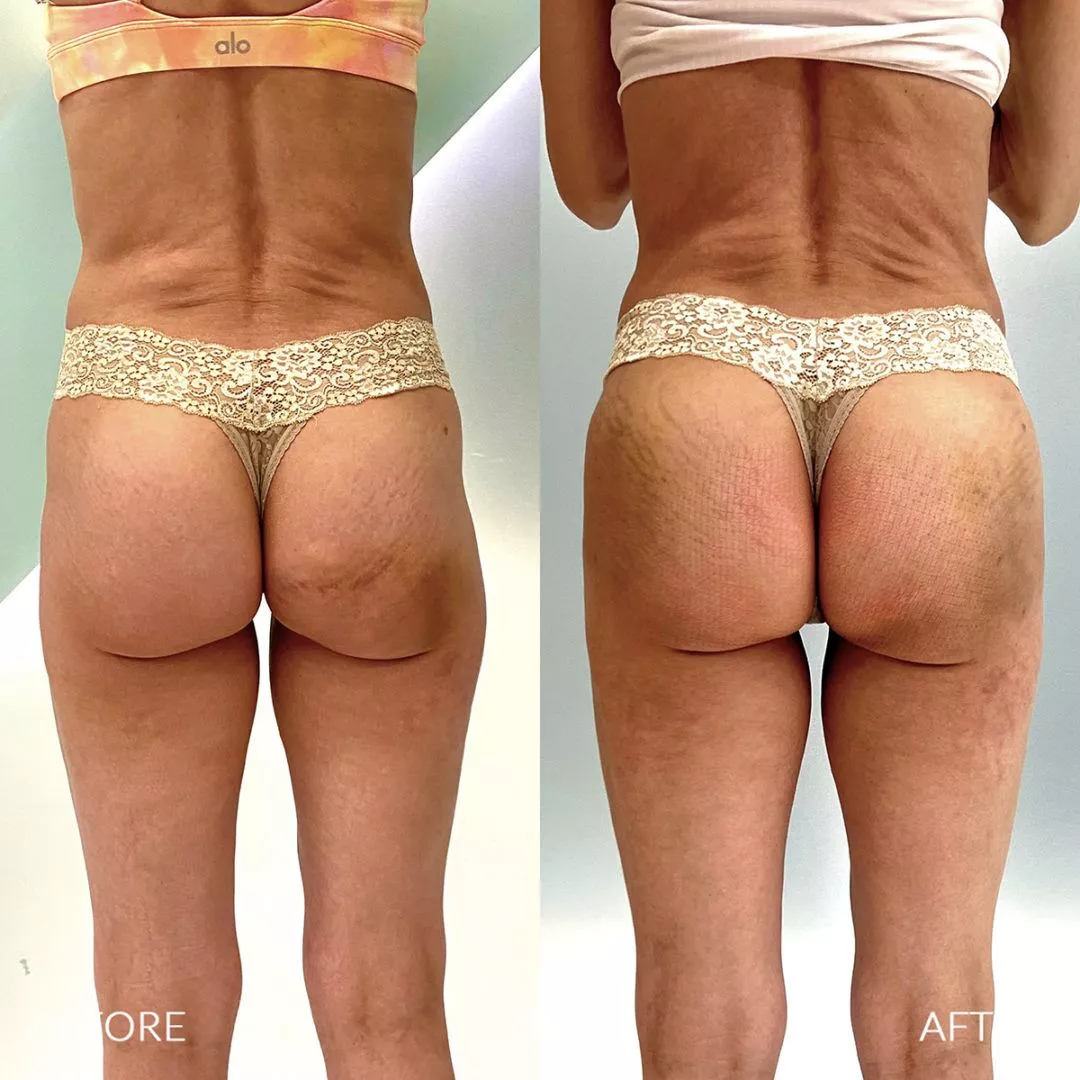
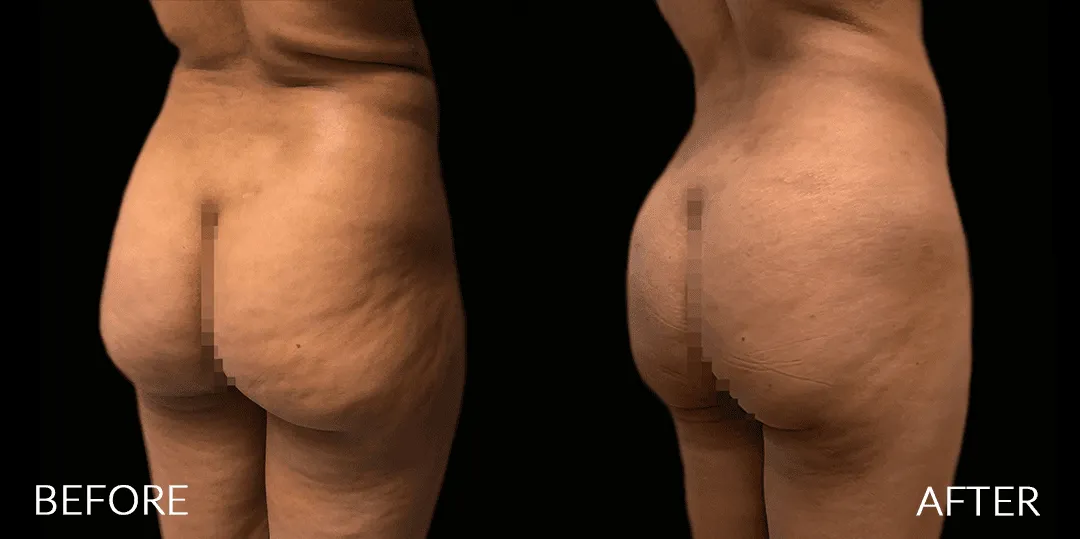
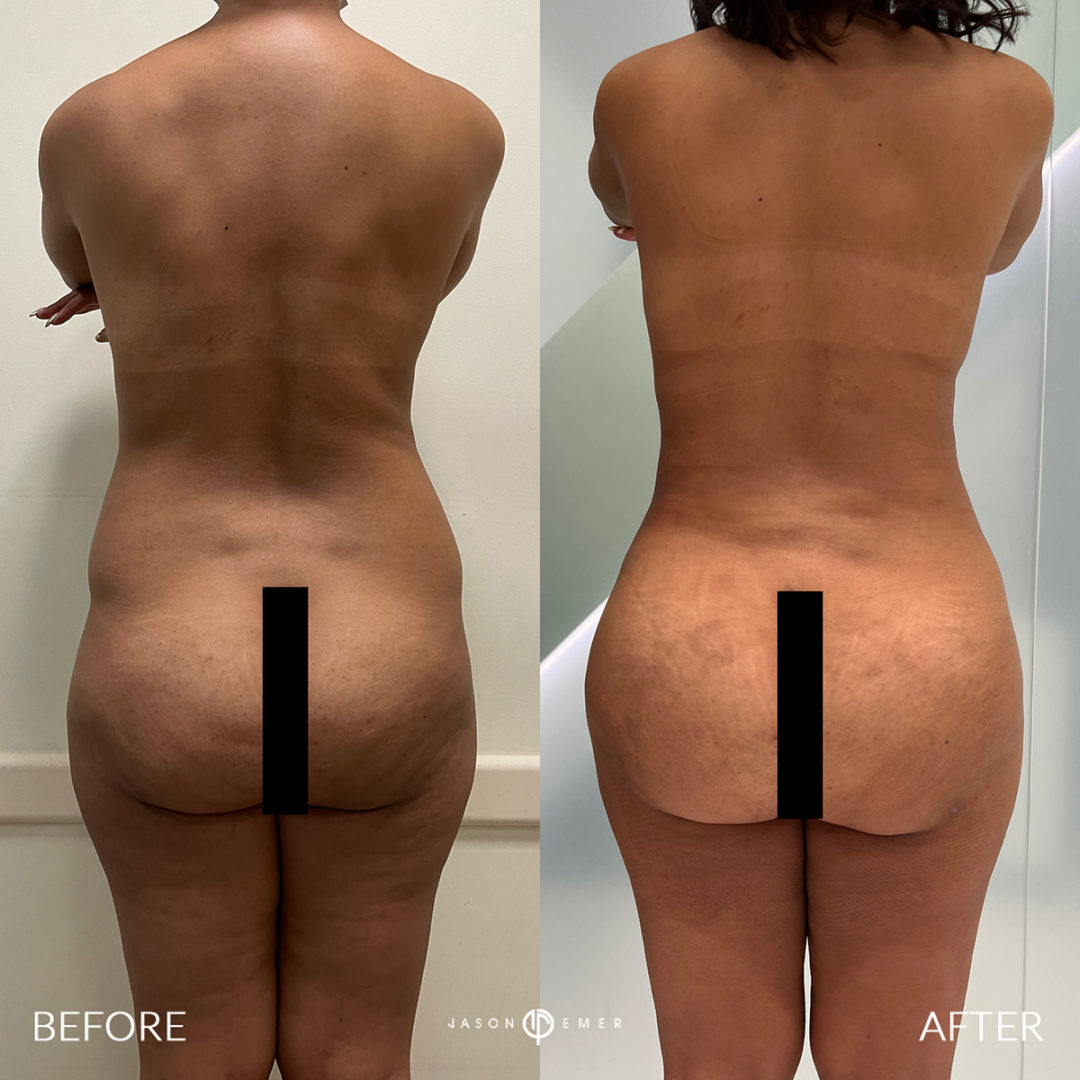
In Dr. Emer's newest procedure film, the title makes the argument before the footage does: do not shape your buttock, and do not define your stomach, without seeing how the two work together in a single result. Patients arrive asking for a Brazilian butt lift as if it were one isolated decision about one body zone. It is not. The buttock only looks the way you want it to look because of what surrounds it. A defined waist makes a modest transfer read as dramatic. An untreated midsection makes even a large transfer read as heavy.
This is why the consultation at a high level practice spends as much time on the stomach, the flanks, and the lower back as it does on the buttock itself. The hip to waist relationship is the actual product. Volume is just one of the tools that builds it.
Every zone has its own logic, and the zones are not interchangeable. The upper abdomen behaves differently from the lower abdomen. The flanks respond differently from the back rolls above them. Hip dips are a structural hollow, not simply an absence of fat, and filling them changes how the entire silhouette reads from the front. A plan that treats all of this as one undifferentiated donor site produces the generic look that patients later bring in for revision.
One operation, two jobs
Mechanically, a BBL is two procedures performed as one. The first job is harvest: liposculpture of the areas where fat is unwanted, most often the abdomen, the flanks, and the back. The second job is transfer: placing that purified fat where shape is missing, into the buttock and, where proportion calls for it, the hips.
Most patients fixate on the second job. Surgeons who do this at the highest level obsess over the first, because the harvest is where the waist is carved and where the frame of the result is set. In Dr. Emer's hi definition approach, the lipo is not a fat collection errand. It is the sculpting half of the operation, done with the same intent as the transfer itself. That is the reason his result films pair stomach definition with buttock shaping rather than treating them as separate purchases.
What made the BBL dangerous, and what changed
The honest history first. The BBL earned a reputation as one of the highest risk cosmetic procedures because of fat entering the deep gluteal veins when it was injected into or below the muscle. That complication, pulmonary fat embolism, drove mortality reviews and task force guidance across the specialty.
What changed is placement and visibility. The accepted safety standard moved to keeping transferred fat in the subcutaneous space, above the muscle, and to techniques that let the surgeon know where the cannula is at all times, including ultrasound guidance. Ask any surgeon you consult two direct questions: where exactly will my fat be placed, and how do you verify that during the operation. A confident, specific answer to both is the minimum price of entry.
Risk, benefit, alternative, and what to watch out for, in that order. That is the sequence Dr. Emer teaches and the sequence a patient should demand from any consultation.
Judgment is the procedure
Technique can be copied. Judgment cannot. Dr. Emer has seen his own on camera work imitated by practitioners who reproduce the visible steps without the underlying decision making, and he sees the revision cases that follow. The most common failure in this operation is not surgical error in the narrow sense. It is over augmentation: a buttock built past what the patient's frame, skin, and lifestyle can carry, which ages poorly and is far harder to revise than to build correctly the first time.
Proportion first means the plan starts from your skeleton and your existing fat distribution, not from a reference photo of someone else's body. It also means restraint is a deliverable. The best result in the room is usually the one nobody can identify as a procedure.
Who should think twice, and what the alternatives are
A fat transfer needs fat. Very lean patients may not have enough donor tissue to build meaningful shape, and chasing it can degrade the harvest areas. Patients whose concern is skin laxity rather than volume are often better served by contouring and tightening than by transfer. And patients who want a subtle change in projection sometimes do not need an operation at all.
Structural fat transfer, the BBL itself, suits patients with adequate donor fat and a volume or proportion goal. Hi definition liposculpture alone is the answer when the waist is the real issue and the buttock only looks flat by comparison. Biostimulatory injectables serve select cases wanting modest contour changes without surgery, accepting that they build gradually and have limits. No treatment remains the right answer whenever anatomy, health, or expectations do not line up with what the operation can deliver.
The alternative conversation is not a courtesy. It is a screening tool. A practice that only ever recommends its flagship operation is telling you something about its process. A practice that regularly sends people home without surgery is telling you something too.
The recovery is part of the operation
Transferred fat is living tissue, and its survival is decided in the weeks after surgery, not on the table. That is why the recovery plan is written before the operation, not improvised after it. Pressure on the transfer zones in the early period works against the result, so positioning, garments, and activity are all managed deliberately. The donor zones have their own recovery arc: the contoured waist and abdomen swell, settle, and reveal their final definition over months, on a different timeline than the transfer.
Two practical consequences follow. First, the early result is not the final result, in either direction. Patients judge too soon in both zones, and the honest answer to how it looks at week two is that week two is not when we judge. Second, the follow up schedule is not optional. A surgeon who films results months out is showing you settled outcomes, which is the only kind worth evaluating.
What the film shows
The featured film is a one day post op walkthrough of a CELESTA™ patient, narrated by a member of Dr. Emer's team. It is a rare look at the stage of recovery most practices never show: swollen, bruised, and already demonstrating the proportion logic above. The team member points to the waist and back first, not the buttock. Comparing the pre op footage to day one, he notes of the back contour that "This roll is now gone."
The narration credits the shape change to the harvest half of the operation, liposuction with J Plasma Renuvion technology contouring the back, rather than to transferred volume alone, and notes the patient was naturally curvy, with the procedure emphasizing existing proportions rather than manufacturing new ones. On what early recovery looks like, the team member is direct: "This procedure should expect some leaking, some bruising is all very normal." The aftercare shown, lymphatic massage, hyperbaric chamber sessions, and IV therapy, began the same day, and the stated timeline matches the recovery section above: visible improvement in one to two weeks, final contour settling over about a year. As the team member puts it, "Each month, she's going to improve."
What to ask at any consultation
Wherever you consult, these questions separate a plan from a pitch. Where exactly will my fat be placed, and how is that verified during the operation? What will my waist and abdomen look like, and how does that interact with the transfer? What does my frame support, and what would you refuse to do? What does recovery require of me, specifically, in the first weeks? What are the alternatives for my anatomy, including doing nothing?
A confident surgeon answers all five without hesitation, and the answers agree with each other. Vague answers about placement, or a plan that never mentions the waist, are the moments to keep looking.
Where This Fits in the Practice
A BBL at this practice is rarely an isolated procedure. The fat that shapes the result is harvested through hi-definition liposculpture, which means the donor areas, waist, back, flanks, are being contoured in the same session that builds the proportion.
Depending on skin quality and goals, the plan can also include radiofrequency skin tightening and collagen-stimulating injections to refine shape over time. The right combination is mapped at consultation, where proportion, not volume, drives the plan.